Macao Museum Review
Archaeology Museums · Macau, Macau. The Macao Museum sits within the Guia Fortress complex on the Macau Peninsula, a location rich in historical resonance itself. Macau’s heritage is shaped by over four centuries of Portuguese colonial presence alongside longstanding…
Archaeology Museums · Macau, Macau. The Macao Museum sits within the Guia Fortress complex on the Macau Peninsula, a location rich in historical resonance itself. Macau’s heritage is shaped by over four centuries of Portuguese colonial presence alongside longstanding…
Best forMuseum lovers, culture travelers, first-time visitors
Review focusCollections, visitor experience, and practical planning
Historical Context
The Macao Museum sits within the Guia Fortress complex on the Macau Peninsula, a location rich in historical resonance itself. Macau’s heritage is shaped by over four centuries of Portuguese colonial presence alongside longstanding Chinese cultural influences. This unique interplay of East and West forms the backbone of Macau’s identity, and the Macao Museum is dedicated to exploring this cultural fusion and the territory’s historical evolution. Established in 1998 by the Cultural Affairs Bureau of the Macau SAR government, the museum aims to present the social, architectural, and everyday life aspects of Macau’s development from a small fishing village to a trading port and finally into a densely populated, cosmopolitan enclave.
The museum underscores Macau's role as a vibrant entrepôt from the 16th to the 20th centuries, tracing the impacts of colonial governance, trade, religion, and local cultural practices. While Macau’s recent decades have seen transformation into a major gaming and tourism hub, the museum anchors visitors to the territory’s layered past. Situated strategically on a hill overlooking the city and sea, the museum contextualizes Macau’s unique geographic and historic position at the crossroads of significant maritime routes and cultural currents across Asia, Europe, and beyond.
What You See on Arrival
Approaching the Macao Museum, visitors encounter an integrated experience combining historic military architecture with cultural display. Housed within the old fortress site, the museum’s exterior preserves elements of the defensive walls and military installations, providing an immediate sense of place tied to Macau’s colonial and maritime past. This setting announces not only a museum visit but also a historical environment where layers of history are physically apparent.
The museum’s design and layout emphasize a chronological and thematic journey, inviting visitors to navigate through Macau’s story in a structured manner. Upon entry, visitors recognize a clear framing of Macau as a locale defined by cultural exchange and hybrid identity. Signage and introductory material tend to orient visitors to the main themes: Portuguese-Chinese interaction, religious influences, urban development, and local customs.
The physical experience of arrival also includes panoramic views of the Macau cityscape and harbor, adding geographical context to the displays inside. This positioning connects the tangible environment outside with the museum’s interior narrative, emphasizing Macau’s maritime and strategic significance.
Highlights and Key Exhibitions
The core of the Macao Museum lies in its permanent exhibitions, which unfold across multiple floors and cover a range of topics related to Macau’s history, society, and culture. Several key themes emerge as particularly prominent in the galleries.
One fundamental section addresses Macau’s topographical and urban transformation. Detailed models and maps trace the expansion of Macau from its earliest settlements through subsequent phases of development influenced by both Chinese urban planning principles and Portuguese colonial administration. Visitors can identify layers of architectural adaptation and synthesis, illustrating how diverse influences have shaped the city’s built environment. This material serves as both an educational reference point and a visual anchor connecting heritage to the contemporary city.
Another significant portion of the museum focuses on everyday life and cultural practices in Macau. Exhibits highlight family rituals, festivals, culinary traditions, and artisanal crafts that illustrate how local identity has evolved. Traditional costumes, tools, and household objects give visitors insight into the daily rhythms of Macau’s inhabitants over time. This anthropological approach complements the historical narrative by humanizing the broader socio-political shifts with concrete cultural details.
The museum places particular emphasis on religious dynamics in Macau, reflecting its history as a major site of Christian missionary activity and indigenous Chinese religious expression. Exhibits display artifacts related to Catholicism’s introduction and adaptation in Macau, alongside coexistence with Buddhism, Taoism, and folk religious customs. This theme reveals the complex layering of belief systems that marked Macau’s cultural landscape and contributed to its social fabric.
Maritime history also receives thorough treatment throughout the galleries. Given Macau’s role as a key port in the South China Sea trade routes, the museum presents navigational instruments, trade documents, and historical accounts that map Macau’s commercial significance. These exhibits enrich understanding of Macau as a node within broader regional and global economic networks.
The narrative throughout the museum seldom romanticizes its subject. Instead, it addresses challenges such as colonial tensions, population pressures, and Macau’s geopolitical shifts with clarity and balance. The collection is substantial and detailed but focuses mostly on local and regional perspectives rather than broader imperial or global histories, a curatorial choice that suits the museum’s mandate but may feel narrow to those expecting a more expansive contextualization.
Visitor Experience
In terms of visitor engagement, the Macao Museum is generally geared towards those with a serious interest in Macau’s history and culture, including residents, students, and researchers. The pacing of the exhibits encourages a deliberate, reflective approach, with each section building on the previous to create a cumulative understanding of Macau’s layered identity.
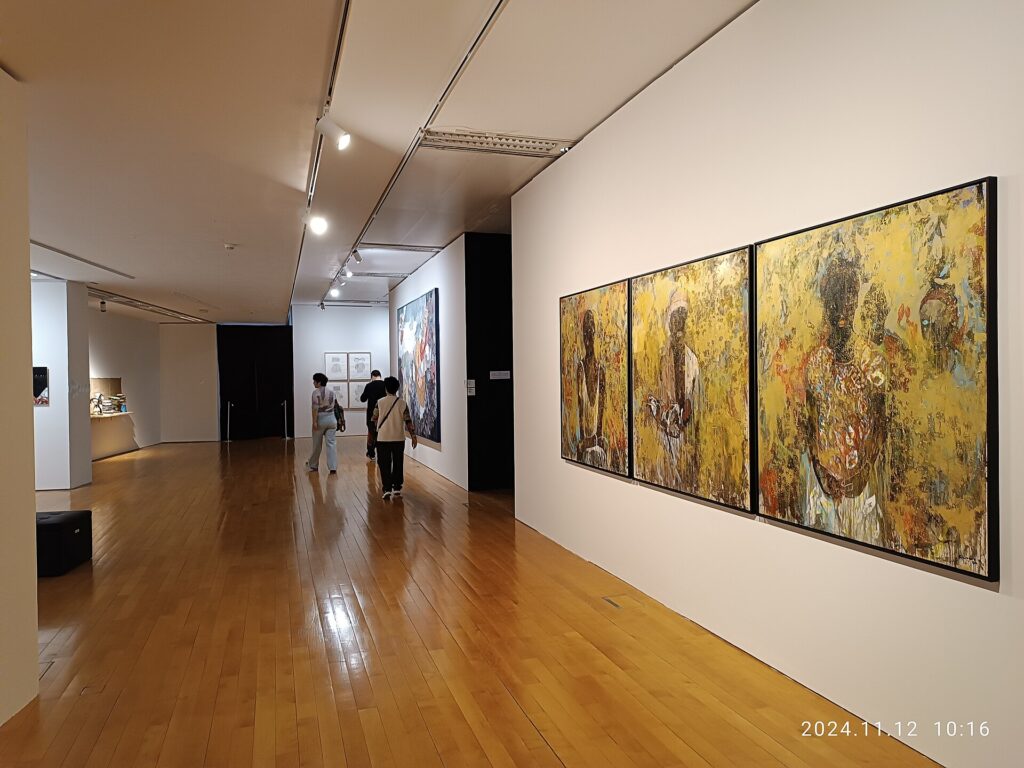
Interpretive text is offered primarily in Chinese and Portuguese, with English translations available, although some visitors have noted that certain translations can be uneven in clarity. The exhibition labels and panels are direct and informative, avoiding overly technical jargon but consistently providing substantial context. Display cases are secure and well-lit, and the inclusion of multimedia elements—such as video presentations and interactive maps—is judicious rather than excessive, supporting comprehension without overwhelming the visitor.
The museum’s layout within the historic fortress lends itself to an exploratory type of circulation, though visitors may need to prepare for some walking and modest elevation changes within the complex. The spatial design allows for moments of pause and reflection at viewpoints overlooking Macau city and its coastline, integrating the physical environment with the historical narrative.
While the museum’s focus is primarily cultural and historical, it does not extend extensively into Macau’s recent economic transformations, such as the gaming boom or contemporary urban development beyond heritage conservation. Thus, visitors wanting a comprehensive overview of Macau’s current identity will find the museum somewhat concentrated on the pre-modern and early modern eras.
The Macao Museum’s narrative style is factual and restrained, appealing to an audience interested in history without dramatic presentation gimmicks. It works well for educators and history enthusiasts but may be less engaging for very young children or those seeking a highly interactive experience.
Tickets, Access, and Planning
Details regarding admission, opening hours, and visitor facilities should be confirmed on the museum’s official site or through local resources before planning a visit. Information is subject to change, and it is advisable for visitors to verify current policies around ticketing, public health measures, accessibility accommodations, and guided tour options.
The Macao Museum is set on a hillside and incorporated into a heritage site, meaning access may involve some uphill walking and navigation of historic structures. Visitors with mobility concerns should inquire in advance about available support or alternate routes.
Because the museum is frequented by school groups and local visitors, it can be busy during weekends and public holidays. For a more tranquil experience, weekday visits are preferable. The proximity to other cultural attractions in the Guia Fortress area also means that combining visits can be efficient but requires some time management.
Facilities such as cafés or shops within the museum complex are limited, so planning for refreshment breaks outside the site might be necessary. Information on available amenities is best sourced directly from the museum’s administration.
Final Verdict
The Macao Museum offers a focused, substantial examination of Macau’s multi-layered historical and cultural identity, making it a valuable resource for those interested in the local context and heritage of the city. Its integration within a historic military complex provides a compelling setting that connects the past to the present physical landscape, enriching the visitor’s understanding of Macau’s unique geographic and cultural position.
Its strengths lie in the depth of its permanent collections, particularly in areas such as urban history, cultural practices, religious pluralism, and maritime trade. The museum’s commitment to presenting a clear and balanced narrative without over-simplification is commendable. While it may not indulge in elaborate visitor interactivity or offer a panoramic global context, its focus on Macau itself provides an informative and grounded experience.
Some practical considerations, including the hillside location and limited recent historical coverage, mean that visitors should prepare accordingly and set realistic expectations about what the museum covers. Its appeal is strongest for those with prior interest in Macau’s history or visitors seeking a detailed cultural perspective beyond the surface-level tourist presentations.
In sum, the Macao Museum serves as a significant cultural institution in Macau, preserving and conveying the city’s complex heritage through thoughtful curation and an emphasis on local narratives. It stands as a solid starting point for understanding Macau’s past, suitable mainly for people looking to deepen their knowledge of this distinctive intersection of cultures in southern China.