Xi’an Beilin Museum
Archaeology Museums · Xi'an, China. The Xi'an Beilin Museum, also known as the Stele Forest Museum, is a specialized institution dedicated primarily to stone tablets, or steles, and the tradition of Chinese calligraphy. Located in the historical city of…
Best forMuseum lovers, culture travelers, first-time visitors
Setting / nearbyXi'an, China
Overview
The Xi'an Beilin Museum, also known as the Stele Forest Museum, is a specialized institution dedicated primarily to stone tablets, or steles, and the tradition of Chinese calligraphy. Located in the historical city of Xi’an, China—a city with significant cultural and archaeological importance—this museum focuses on preserving and exhibiting a large collection of inscribed stone monuments that span centuries of Chinese history and artistry. Its foundation is rooted in a centuries-old practice of commemorating events, recording scholarly texts, and displaying calligraphic works on stone, offering visitors insight into the evolution of Chinese writing and historical record-keeping.
The museum serves as both an archaeological and local history museum, providing a tangible link to the intellectual and cultural accomplishments of China’s past. It complements the city’s renowned historical sites, like the Terracotta Warriors and the ancient city walls, by providing context about the written heritage and scholarly traditions that flourished alongside these physical landmarks. Although its main appeal is to those interested in epigraphy, calligraphy, Chinese literature, and history, the museum does not require prior specialized knowledge and can be appreciated by anyone with a general interest in cultural heritage.
Collection Highlights
The Xi’an Beilin Museum’s collection is centered on more than 3,000 steles, ranging from the Han dynasty (206 BCE–220 CE) to the Qing dynasty (1644–1912). These stone tablets bear inscriptions that include official decrees, classical literary texts, religious scriptures, and epitaphs. The breadth of the collection reflects a multi-faceted approach to the written word as an art form, historical document, and cultural practice.
One of the hallmark pieces is a set of stone tablets inscribed with calligraphy by several famous Chinese scholars and calligraphers, showcasing a variety of script styles such as seal script, clerical script, cursive script, and regular script. Among these, some carry special historical or aesthetic significance, revealing shifts in artistic taste and script format over time. Moreover, the museum’s holdings include stone rubbings made from the steles, offering another way to engage directly with these ancient writings.
Beyond purely calligraphic and epigraphic works, the museum also houses related artifacts such as stone sculptures and carved tablets with decorative motifs, adding further richness to the experience. This combination underscores the role of visual design within inscription traditions and the layering of cultural meaning in the stone. While most visitors will be drawn to the inscriptions themselves, the complementary artifacts help highlight the broader artistic context of their display.
Building and Setting
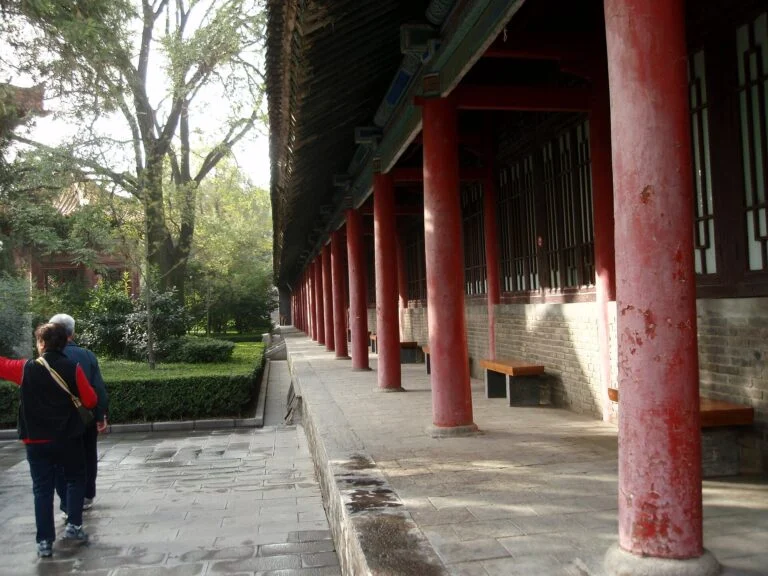
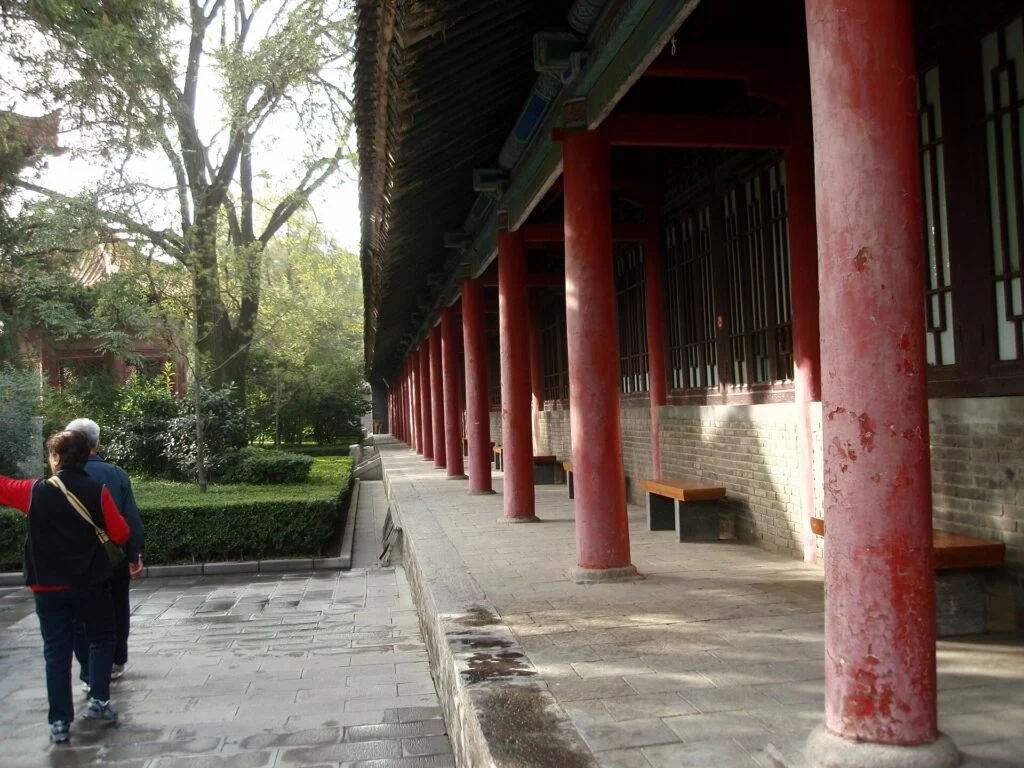
The Beilin Museum occupies a site historically connected to one of Xi’an’s old Confucian temples. The museum’s layout includes traditional Chinese courtyard architecture which blends with the display halls and galleries where the stele exhibitions are housed. This arrangement allows visitors to experience a sense of traditional Chinese spatial and architectural aesthetics while engaging with the stone artifacts.
The steles are arranged both indoors and in open-air settings where lighting conditions permit better appreciation of the inscriptions’ details without harsh reflections or glare. The outdoor courtyard features numerous tall stone tablets organized in rows, as they were historically displayed, which creates a solemn atmosphere. Indoors, the galleries provide controlled environments where temperature and humidity management help preserve the stones.
Given the museum’s location in central Xi’an, it is reasonably accessible from other cultural sites and the city center, though visitors should check current transport options and routes. The surrounding area has a mix of historic buildings and modern city life, reflecting the interplay between Xi’an’s deep past and its contemporary urban setting.
Practical Information
Before planning a visit, it is advisable to consult the museum’s official website or contact the museum directly to confirm opening hours, ticketing policies, and any visitor restrictions that might be in place. Details about guided tours or audio guides are not consistently publicized, so visitors interested in additional interpretive resources may want to inquire in advance. Accessibility accommodations and visitor facilities should also be verified to ensure suitability for individual needs.
The museum experience involves a good amount of walking and some exposure to outdoor areas, so appropriate footwear and considerations for weather conditions are sensible. Photography policies can vary, especially around certain artifacts, so visitors should look for posted signs or ask staff about restrictions.
Because the steles are ancient stone monuments, the museum emphasizes respectful behavior to avoid damage, limiting contact with the exhibits. This preservation concern means the experience is largely visual and contemplative rather than interactive. Visitors interested in supplementary reading or further context may find it worthwhile to bring or consult some background materials on Chinese calligraphy and historical steles before or after the visit.
Why Visit
The Xi’an Beilin Museum offers an opportunity to explore a distinctive aspect of Chinese cultural heritage that is less prominent than the region’s well-known archaeological relics but no less significant in its own right. For those interested in the history of writing, calligraphy as an art form, or the ways in which historical narratives have been recorded and commemorated, this museum delivers a concentrated and tangible experience.
It provides not only a chance to see ancient stone inscriptions but also to appreciate the details of brushwork styles translated into carved stone, revealing aspects of aesthetic and scholarly culture through the ages. The museum also serves as a quiet place to reflect on the material culture surrounding literacy and historical record keeping in imperial China.
That said, the museum may hold less appeal for visitors expecting multimedia displays or interactive elements. Its focus remains firmly on the stone steles themselves, with limited interpretive infrastructure compared to museums that aim to cater more broadly to family or casual audiences.
In sum, the Beilin Museum is suited to those who enjoy museum experiences defined by close study, historical curiosity, and an interest in East Asian art history. It complements visits to Xi’an’s other historical sites by enriching understanding of the city’s intellectual landscape. Prospective visitors should balance their itinerary accordingly and approach the museum as a specialized cultural institution where the quiet presence of ancient stone texts offers its own kind of insight.