Palazzo Grassi
Art Museums · Venice, Italy. Palazzo Grassi is a contemporary art museum located on the Grand Canal in Venice, Italy. Housed in an 18th-century palazzo originally built in the mid-1700s, the institution presents a program of temporary exhibitions dedicated…
Best forMuseum lovers, culture travelers, first-time visitors
Setting / nearbyVenice, Italy
Overview
Palazzo Grassi is a contemporary art museum located on the Grand Canal in Venice, Italy. Housed in an 18th-century palazzo originally built in the mid-1700s, the institution presents a program of temporary exhibitions dedicated to modern and contemporary art. Rather than maintaining a permanent collection, the museum primarily functions as a venue for curated shows featuring a variety of artists and media, often exploring themes relevant to today’s social and cultural landscape. Its positioning in Venice contributes to a productive dialogue between the historic architecture and the contemporary art it displays.
The museum does not confine itself to local or Italian artists—its exhibits commonly include international contemporary figures and occasionally historic works presented with a modern interpretative focus. This approach makes Palazzo Grassi a site for reflection on current artistic practice within an extraordinary historical context, distinct from Venice’s many art institutions focused primarily on Renaissance or earlier periods.
Collection Highlights
As Palazzo Grassi operates largely as an exhibition space, it does not house a permanent collection in the traditional sense. Instead, visitors can expect to see carefully curated exhibitions that often include a wide range of media: painting, sculpture, photography, video, and installation art. Over time, these exhibitions have included major contemporary artists and thematic group shows addressing issues such as identity, environment, politics, and urban life.
While the precise lineup varies with the rotation of exhibitions, past presentations have featured works by leading contemporary artists from Europe, the Americas, and beyond. The programming tends to engage with current artistic debates and collaborations that highlight diversity in both approach and content. The museum’s exhibitions often invite viewers to reconsider familiar spaces and ideas through contemporary eyes, placing new artistic works in conversation with the surrounding Venetian setting.
For visitors, this means an experience that is less about seeing “famous works” or a permanent collection, and more about engaging with fresh perspectives in contemporary art. The thematic variety also allows repeat visits to be rewarding, as the exhibitions change regularly and are thoughtfully researched.
Building and Setting
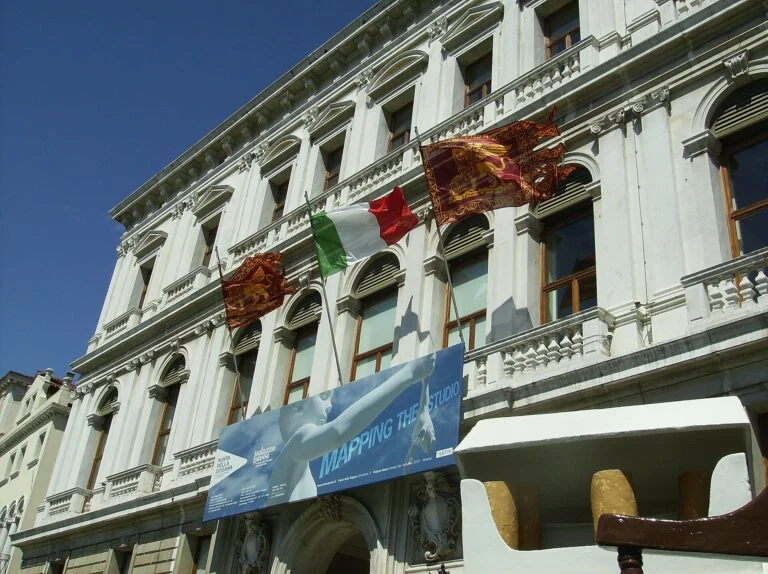
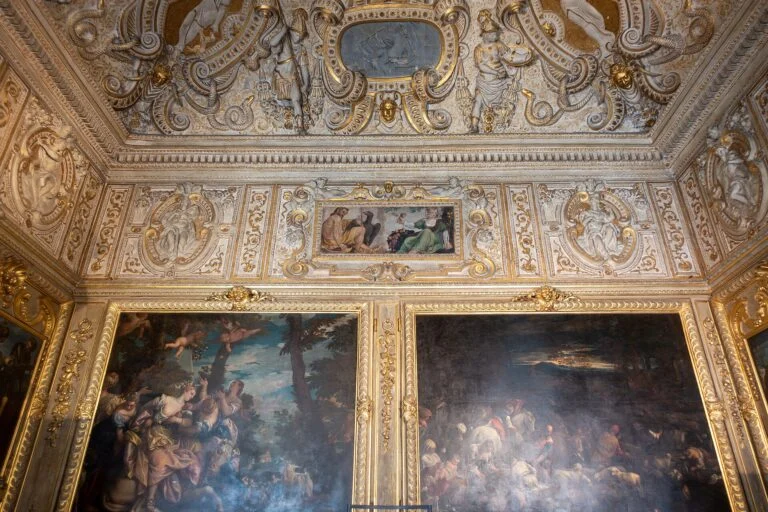
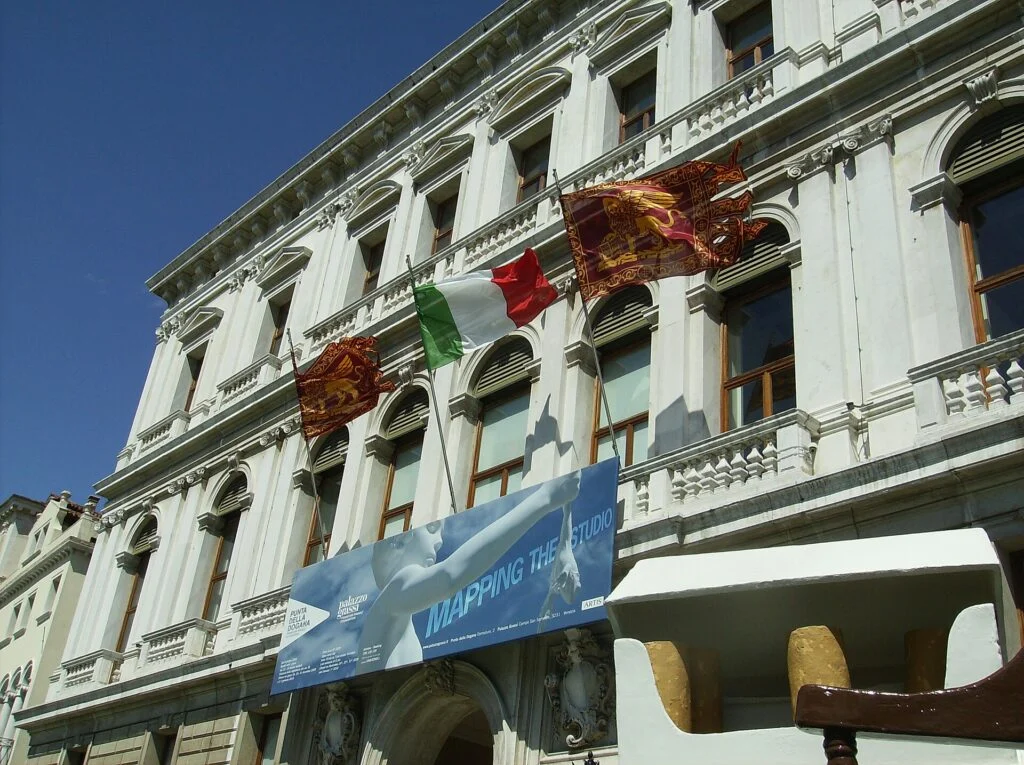
Palazzo Grassi is itself an example of Venetian 18th-century architecture, designed by the architect Giorgio Massari between 1748 and 1772. Its white stone facade faces the Grand Canal, providing a striking contrast to the colors and textures of the surrounding palaces and gondolas. Inside, the museum’s galleries preserve much of the historic spatial layout, with large, airy rooms and unusually high ceilings for Venice, which support the display of large-scale contemporary works.
The building’s location on the Grand Canal places it among Venice’s collection of significant palazzi, directly accessible by water taxi or vaporetto. Its proximity to other notable Venice landmarks makes it relatively straightforward to include in a day dedicated to exploring the city’s artistic heritage.
The historic interiors may impose certain constraints on display conditions, which the curators balance with the spatial demands of contemporary installation art. Visitors will find the experience shaped as much by the building’s historic grandeur as by the artworks themselves. The ongoing dialogue between old and new is integral to the museum’s identity.
Practical Information
As the visitor information for Palazzo Grassi is subject to change with new exhibitions and local conditions, it is advisable to confirm details before planning a visit. This includes the current opening hours, ticketing, discounts available, and whether advanced booking is necessary—especially during major exhibitions or busy tourist seasons.
The museum’s official website is the primary source for updated information on exhibitions, admission, services, and visitor facilities. It is important to check the website particularly for accessibility arrangements and any visitor guidelines that might affect the experience. Additionally, since some special exhibitions may have separate admission policies or guided tour options, reviewing this information ahead will help avoid surprises.
Palazzo Grassi’s location on the Grand Canal encourages planning that takes Venice’s unique transport system into account. Visitors should budget extra time for waterborne travel and for potential waits during peak periods. In general, the museum does not offer the extensive visitor amenities of larger public museums, so being prepared with water and comfortable footwear is prudent.
Why Visit
Palazzo Grassi appeals to visitors interested in contemporary art in a setting that foregrounds Venice’s distinctive architectural heritage. It offers a chance to encounter new artistic ideas and provocative visual narratives in an environment that contrasts with the city’s historic art museums. This can lead to a deeper appreciation of how contemporary artists respond to cultural and historical frameworks.
The museum is suitable for those who enjoy thematic or curated exhibitions that change periodically, rather than a fixed permanent collection. It can complement visits to Venice’s many Renaissance and Baroque museums by adding a current artistic viewpoint to a city often associated with its past.
One consideration is that the exhibition program can vary widely, so potential visitors with specific interests may benefit from consulting the current schedule before booking. Those expecting a traditional fine arts museum with a stable collection might find Palazzo Grassi’s focus on temporary exhibitions demands a more open, exploratory mindset.
In summary, Palazzo Grassi is an institution where architecture, location, and contemporary art converge. It may not serve as the primary destination for every Venice visitor, but for those drawn to contemporary cultural dialogues within a historical city, it offers thoughtful and often challenging presentations that enrich an understanding of both art and place.