Maritime Museum of Tasmania
Overview
The Maritime Museum of Tasmania, located in Hobart, Australia, is a specialized institution dedicated to the history and culture of Tasmania’s maritime environment. The museum’s emphasis on both the tangible remains and the broader stories connected with Tasmania’s sea connections provides a focused lens on regional nautical heritage. Its collections and exhibitions mainly explore the interaction between people, ships, and the ocean, reflecting on Tasmania’s development as an island state reliant on maritime activities.
Unlike broader museums with a wider scope, this museum concentrates specifically on maritime subjects, which may appeal particularly to visitors interested in naval history, seafaring traditions, shipbuilding, and the role of the sea in Tasmania’s economic and social growth. It seeks to document not only the vessels and technologies but also the human experiences tied to Hobart and Tasmania’s waters.
Collection Highlights
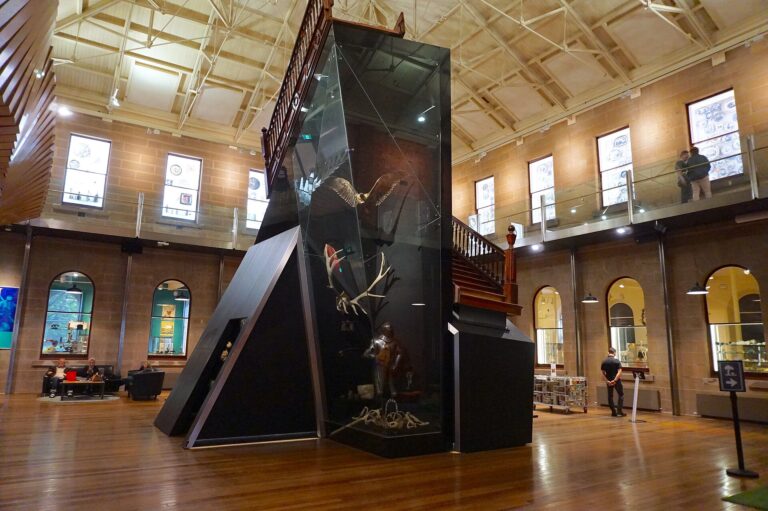
As a maritime museum, its core holdings are deeply connected to Tasmania’s maritime past and present. The collection includes artifacts related to shipbuilding, navigation, fishing, and maritime trade. Objects of interest may range from ship models, navigational instruments, maritime photographs, and personal memorabilia of sailors and fishermen to larger elements such as ship parts or maritime equipment.
There is likely material relating to Hobart’s port and its development, Tasmania’s role in the southern ocean maritime routes, and perhaps insight into indigenous connections to the water. Items connected with significant ships or maritime events in the region would also form part of the narrative. However, the nature and extent of the collection can vary, and visitors should consider checking current exhibitions or highlights on the museum’s official channels.
The museum’s displays probably include interpretive panels explaining the historical context of maritime practices, industries such as whaling and shipping, and the changing technology over time. The collection might also document shipwrecks around Tasmania, though the specifics would need confirmation. Exhibits often aim to balance technical maritime history with human stories to connect visitors to the lived experience of Tasmania’s maritime communities.
Building and Setting
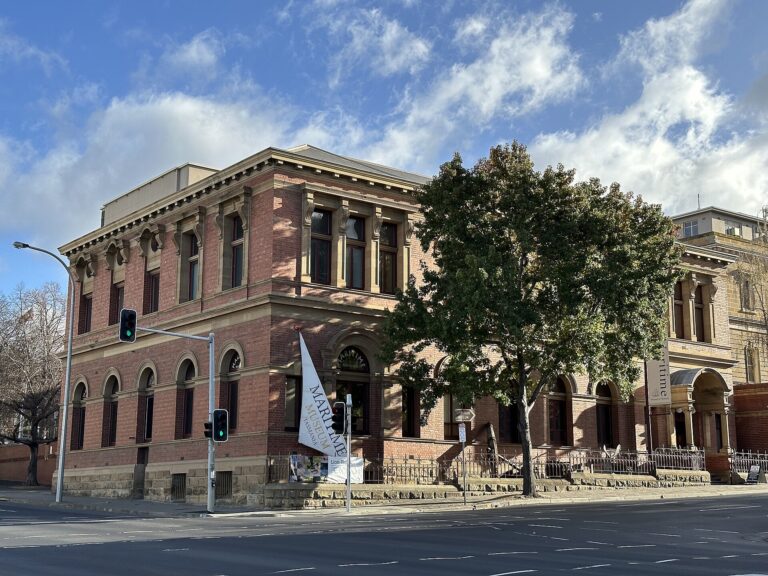
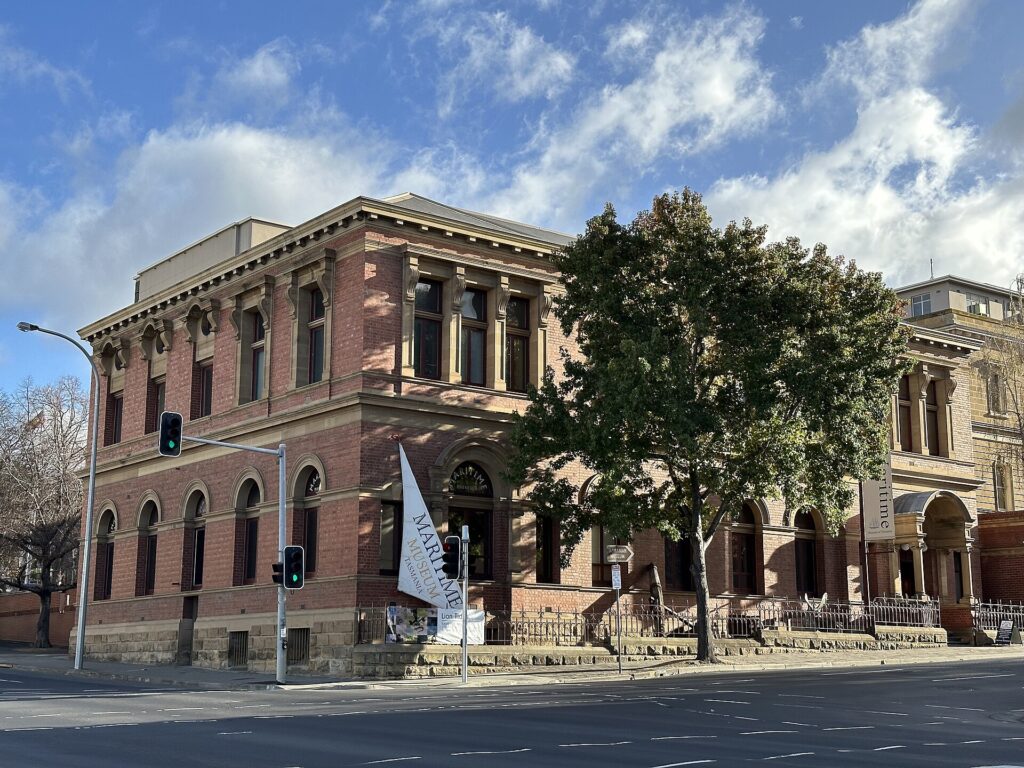
Situated in Hobart, Tasmania’s capital city and port, the museum’s location is fitting given Hobart’s long-standing maritime importance. Although the museum’s exact building characteristics are not detailed here, maritime museums often occupy waterfront or near-water locations to connect physically with their thematic focus. Whether this museum’s premises comprise purpose-built galleries or historical structures related to maritime trade or industry is unclear, but its setting in Hobart situates it within a city with rich maritime infrastructure.
The setting in Hobart also means visitors might combine the museum visit with other waterfront landmarks or local maritime-related sites, contributing to a broader exploration of Tasmania’s sea heritage. For visitors unfamiliar with the area, the museum’s place in the urban fabric may offer opportunities to see how maritime history integrates with Hobart’s evolving identity.
Practical Information
For those interested in visiting, it is advisable to consult the Maritime Museum of Tasmania’s official website or contact the museum directly for the most up-to-date information on opening hours, admission, accessibility, and available visitor services. Details like guided tours, audio guides, or special exhibitions may vary over time, as can practical issues such as parking and entry requirements.
Considering the museum’s specialized focus, some visitors might want to prepare by reviewing the current exhibits or the scope of collections beforehand, ensuring their visit aligns with their interests in maritime history. Admission policies and visitor access may also change, so verification before scheduling a trip is recommended.
Why Visit
The Maritime Museum of Tasmania offers a focused viewpoint on an aspect of Tasmania’s heritage that shaped the island’s economy, culture, and connections to the wider world. For history enthusiasts with a particular interest in maritime affairs, it presents an opportunity to delve into subjects not always covered extensively by general history museums.
The museum’s potential strength lies in its concentration on local maritime artifacts and narratives, which could provide insights difficult to find elsewhere. This may appeal to academic researchers, maritime professionals, or families interested in Tasmania’s maritime past. Moreover, it likely provides context for understanding Hobart’s role as a port and its ongoing relationship with the sea.
While it may not have the breadth of larger national museums, its clear thematic focus creates an environment to engage deeply with Tasmania’s maritime story. Visitors not especially interested in maritime topics might find the content narrow, but those with curiosity about the sea’s influence on Tasmanian life may find it genuinely worthwhile.
In summary, the Maritime Museum of Tasmania complements Hobart’s wider cultural offerings by preserving and interpreting maritime heritage in a local context. It suits visitors seeking detailed regional maritime history and material culture and is worth considering as part of a broader exploration of Tasmania’s past.