Skansen
Open-Air Museums · Stockholm, Sweden. Skansen, located in Stockholm, Sweden, is recognized as the world’s oldest open-air museum and also serves as a zoo. Established in the late 19th century, it was created to preserve and display Swedish rural…
Best forMuseum lovers, culture travelers, first-time visitors
Setting / nearbyStockholm, Sweden
Overview
Skansen, located in Stockholm, Sweden, is recognized as the world’s oldest open-air museum and also serves as a zoo. Established in the late 19th century, it was created to preserve and display Swedish rural and cultural history. Unlike a conventional museum housed in a single building, Skansen spans a large, park-like area where visitors can walk through landscapes that represent various regions of Sweden. The site recreates traditional village life with original buildings moved from other parts of the country, combined with living history presentations.
The purpose of Skansen is to offer insights into Swedish folk culture and everyday life during past centuries, primarily from the 18th to early 20th centuries. It brings together aspects of architecture, crafts, agriculture, and domestic activities in an outdoor setting that supports both learning and recreation. Skansen is meaningful for those interested in Scandinavian history, popular and rural traditions, and natural heritage.
Collection Highlights
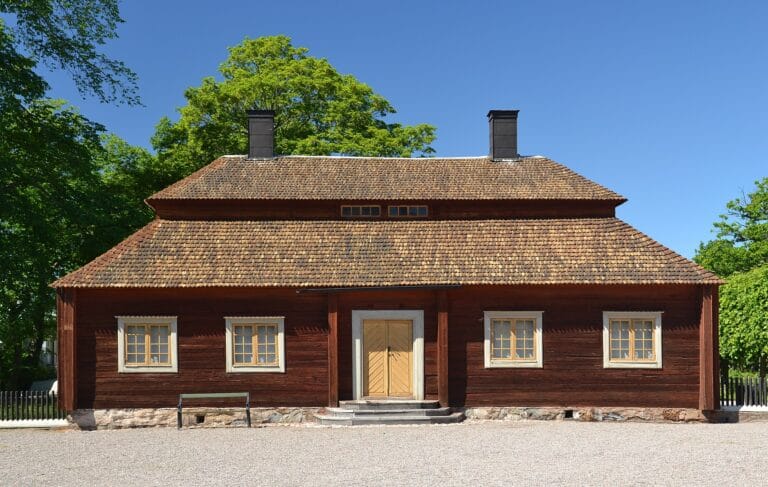
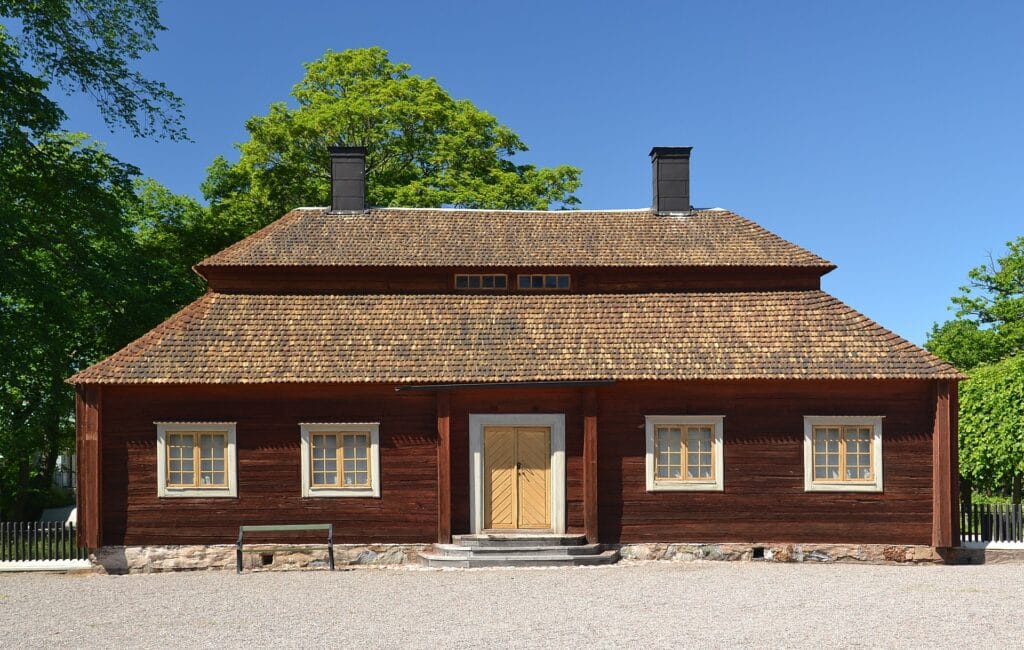
At the heart of Skansen is its extensive collection of historic buildings that represent different Swedish regions, from the south to the north. These structures include farmhouses, manor houses, workshops, chapels, and schoolhouses, all carefully preserved or reconstructed. Visitors can explore these buildings to see how living spaces, tools, and household items changed over time. The buildings are not just static exhibits; they are often staffed with guides dressed in period costume who demonstrate traditional crafts such as glassblowing, basket making, and pottery. This element of living history adds depth to the experience.
Another well-defined facet at Skansen is its focus on Swedish wildlife. The zoo component exhibits native animal species like moose, bears, wolves, lynx, and elk, alongside smaller animals. This feature highlights the connection between the Swedish natural environment and the cultural past it supports. The animal enclosures attempt to replicate natural habitats to some extent, which helps visitors appreciate the role these species play in Sweden’s ecosystems.
Skansen also hosts seasonal events and festivals linked to Swedish popular celebrations, such as Midsummer, Christmas, and traditional markets. Such events include food, music, and folk dance, enriching the cultural context and providing visitors a chance to see Swedish customs in practice.
Building and Setting
The museum is located on the island of Djurgården in central Stockholm, an area known for its green spaces and cultural attractions. The setting benefits from a natural ridge that offers views over the city and water, adding a scenic dimension to the visit. The openness of the space allows the museum to combine natural landscapes with historical elements in ways that a traditional indoor venue could not.
Visitors move around mostly on foot along winding paths that link the dispersed buildings and animal enclosures. The layout is sprawling and can be physically demanding for some, so visitors should be prepared to spend time walking. There are resting areas and benches scattered throughout, as well as spots suitable for picnics when the weather permits.
The overall atmosphere is leisurely, emphasizing exploration and discovery rather than high-paced touring. The combination of architectural elements, natural surroundings, and live demonstrations makes the setting both educational and pleasantly informal.
Practical Information
Those planning to visit Skansen should review current details on the museum’s official website. Opening hours, admission fees, available services, and guided tours may vary by season. Some parts of the site might close temporarily during off-peak months or for maintenance.
Because of the size and outdoor nature of the museum, weather can significantly affect the experience. Spring, summer, and early autumn tend to be the most suitable times to visit if the aim is to see the full range of activities and animals. Winter visits are possible but may involve fewer open exhibits and less frequent reenactments.
The museum is family-friendly, with many features tailored to children, but visitors with mobility challenges should inquire in advance about accommodations considering the terrain and distances involved. Facilities such as cafés and shops exist, but visitors should confirm their availability as details might change from year to year.
Why Visit
Skansen offers something distinct from most museums by combining open-air architecture, folk culture, and wildlife in a single expansive venue. For those interested in traditional Swedish life and history, it provides a direct, tangible experience rather than static displays or mannequins. The live demonstrations of crafts and seasonal celebrations provide an active sense of how communities once lived and worked.
The museum suits visitors who appreciate history in context—who want to wander at their own pace and learn through observation and interaction rather than only through text panels or audio guides. It may also appeal to families seeking an outing that mixes educational content with outdoor activity.
However, the museum can be physically taxing due to its size, and those expecting a tightly structured museum visit with straightforward routes and concentrated exhibits might find it too sprawling. The reliance on outdoor spaces means some seasonal limitations, and visitors should manage their expectations accordingly.
Skansen stands as a reminder of the diversity of Swedish cultural heritage and its link to the natural environment. While it is focused on a specific national context, it presents lessons about rural life and environmental connections that have wider relevance for understanding cultural persistence and adaptation.
Before visiting, checking up-to-date information is advisable, especially regarding public program schedules, access, and facilities. Skansen’s combination of history, nature, and culture calls for a flexible and exploratory approach, rewarding those who come prepared to engage with its diverse and evolving story.