Musée de la Libération de Paris Review
Tickets & Tours
Compare ticket options and guided tours from trusted booking partners.
We may earn a commission if you book through these links.
Historical Context
The Musée de la Libération de Paris stands as a memorial and educational site dedicated to one of the pivotal moments in 20th-century European history: the liberation of Paris from German occupation during World War II. The liberation, which occurred in August 1944, marked a significant turning point in the conflict and symbolized the resilience of the Parisian population and the broader French resistance against Nazi control. The museum is situated in Paris, the capital of France, a city that endured four years of occupation and the complexities accompanying it—collaboration, resistance, and the strains on civilian life.
Established in the building of the former underground military command post at Porte Dorée, the museum traces the events leading to the liberation, the uprising of the French Resistance, the role of the Allied forces, and the aftermath that shaped both Paris and France’s post-war identity. By focusing specifically on this locale and moment, the museum provides a detailed narrative that complements broader World War II museums, emphasizing local history and lived experience rather than solely military or political overview. Its narrative is embedded in Paris’s urban context, revealing how geography and civilian involvement intertwined with military strategy.
What You See on Arrival
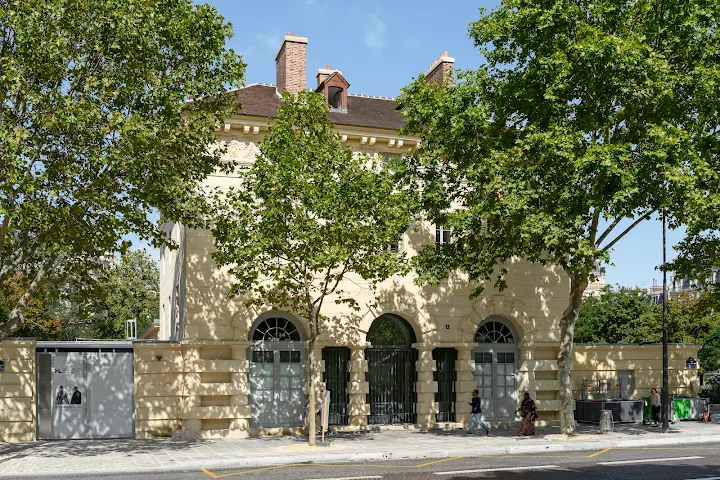
Visitors approaching the Musée de la Libération de Paris encounter a discreet exterior consistent with the site’s original function as a military command post. The building does not follow the monumental or theatrical style found in larger national institutions but instead offers a more modest and sober first impression. This restrained architectural approach reflects the museum’s focus on historical authenticity and a direct connection to the events it commemorates.
Upon entering, the identity of the museum as a place of remembrance and education is evident but unpretentious. The space balances its dual role as a historical artifact and an exhibition venue. Plaques, inscriptions, and symbolic elements in the entrance area orient visitors to the serious nature of the subject, grounding the experience in a world marked by conflict and human endurance. The museum signals that it addresses the local population’s resistance to occupation rather than a broad military history.
The setting also provides a transition between the bustling modern Parisian city and a narrative rooted in the immediacy of 1944. Visitors can expect to encounter an environment solemn in tone, geared toward reflection rather than spectacle, with signage emphasizing clarity and historical facts.
Highlights and Key Exhibitions
At the core of the Musée de la Libération de Paris is a collection devoted to the events of August 1944, the French Resistance in Paris, and the eventual liberation. The exhibition is organized around various media and artifacts that contextualize the political and social atmosphere of occupied Paris. This includes photographs, weaponry, personal belongings of members of the Resistance, official documents, and contemporary witness testimonies.
One strong aspect of the museum is its attention to narrative detail. It lays out the timeline of the uprising, the role of different resistance factions, their interaction with Allied forces, and the street fighting that disrupted the German occupation. By foregrounding the role of everyday Parisians, the museum offers insight into how complex and multifaceted resistance was—not purely military but also social, cultural, and psychological.
Exhibits include reconstructed scenes, maps detailing the geography of the insurrection, and multimedia presentations (such as film clips and audio recordings) that aim to preserve and transmit firsthand accounts. The museum carefully avoids heroic simplification, instead presenting choices made by individuals under conditions of extreme danger, the internal conflicts among resistance groups, and the civilian hardship endured during bombardments and reprisals.
Artifacts emphasize both resistance and collaboration, providing a balanced though sensitive portrayal of wartime Paris. The presence of uniforms, clandestine publications, and intercepted communications deepens understanding of the operational aspects of resistance work. The museum includes documentation on the German forces’ perspective alongside that of the French resistance to give a fuller account of the confrontations.
Another crucial element is the commemoration of the liberation itself—marked by scenes of jubilant crowds, the entry of Charles de Gaulle’s Free French forces, and the restoration of Parisian civic life. This section shows how the liberation was not only a strategic military achievement but also a moment of symbolic renewal for France, shaping its postwar political narrative.
While the museum does not overwhelm visitors with an extensive variety of artifacts, it benefits from carefully selected pieces that emphasize qualitative storytelling. The narrative structure guides visitors through the complexity of the liberation, the diverse social actors involved, and the long-term consequences for Paris and France’s national identity.
Visitor Experience
The Musée de la Libération de Paris is suited to visitors with an interest in World War II history, particularly those curious about the role of Paris and its inhabitants in the conflict. Its focus on social and urban history makes it accessible to general audiences without requiring specialized prior knowledge. The museum’s atmosphere supports reflection and education rather than entertainment.
Interpretive materials aim for clear, straightforward communication. Text panels are generally succinct but information-dense, supported by photographs and artifacts rather than heavy reliance on interactive technology. This approach may suit visitors who appreciate direct historical context over multimedia design but might feel less engaging for those accustomed to more technologically enhanced museum experiences.
The space’s moderate scale lends itself to a focused visit without overwhelming the visitor, allowing for concentrated engagement with the subject matter. Some may find the minimalistic approach refreshing and respectful of the serious themes at hand. The museum encourages thoughtful progression through time, from occupation to resistance to liberation.
One limitation is that the museum’s narrow thematic scope might not satisfy those looking for a broader or more comparative account of World War II in France, including the Vichy government’s role or experiences in other French regions. It does not attempt to extend beyond its defined remit, which is both a strength in maintaining focus and a constraint for visitors seeking a more comprehensive wartime overview.
For international visitors, much of the interpretive material is available in French and English, facilitating wider accessibility, though the depth of some panels may vary by language. The museum does not rely heavily on tours or audio guides as part of its core visitor experience but may have these services available occasionally. Those interested in guided interpretation should check current provisions before visiting.
Tickets, Access, and Planning
Details regarding admission, hours, accessibility, and supplementary services should be verified on the museum’s official website prior to visiting. This is recommended because operational details can vary seasonally or due to public health considerations.
The museum’s location in Paris is accessible via public transport, with options suitable for those navigating the city’s metro, bus, or tram systems. Given the museum’s compact size and the nature of its exhibits, visitors can plan a visit that suits their schedule, whether as a dedicated stop or part of a broader historical itinerary within Paris.
It is worth noting that the relatively small footprint of the museum means that it can be busy during peak times. Those seeking a quieter experience might aim for weekday visits or less busy seasons. The museum’s restrained presentation style may also mean that younger visitors or those unfamiliar with the wartime context might benefit from preparatory reading to maximize understanding.
Final Verdict
The Musée de la Libération de Paris offers a focused, thoughtfully curated look at one of the defining moments in Parisian and French 20th-century history. Its strength lies in the intimate scale of the museum and the direct connection to the site's historical reality, which helps ground broader events in personal and local experience.
Visitors will find an accessible yet in-depth narrative emphasizing the complexity of the resistance, the urban challenges of occupation, and the significance of the August 1944 uprising. By avoiding generalizations or triumphalist narratives, the museum encourages a nuanced understanding of the liberation process and its consequences.
While the museum’s scope is deliberately narrow, this focus enables clarity and depth. However, those seeking a more comprehensive view of World War II in France or a broader range of narratives may need to combine this visit with other institutions.
Pragmatically, the museum is a suitable destination for historians, students, and general visitors interested in the social dimensions of war. Its sober presentation and concise exhibits invite reflection but may not appeal to those expecting heavy interactivity or a large-scale museum experience.
Overall, the Musée de la Libération de Paris stands as an important site for those wishing to understand Paris’s war history through the lens of resistance and liberation. It complements other national and military museums by providing a localized account centered on citizen action and urban struggle, holding an essential place in the constellation of Paris’s historical museums.