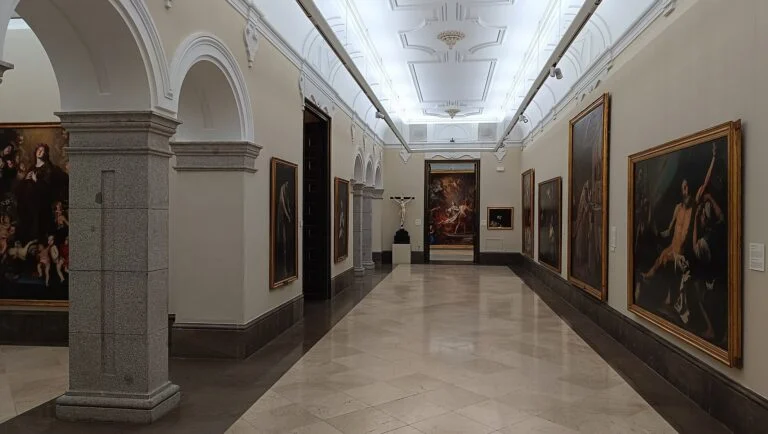
Museo de Bellas Artes de Granada
Art Museums · Granada, Spain. The Museo de Bellas Artes de Granada is a fine arts museum located in the historic city of Granada, Spain. It occupies a place among the region’s cultural institutions by focusing primarily on Spanish…
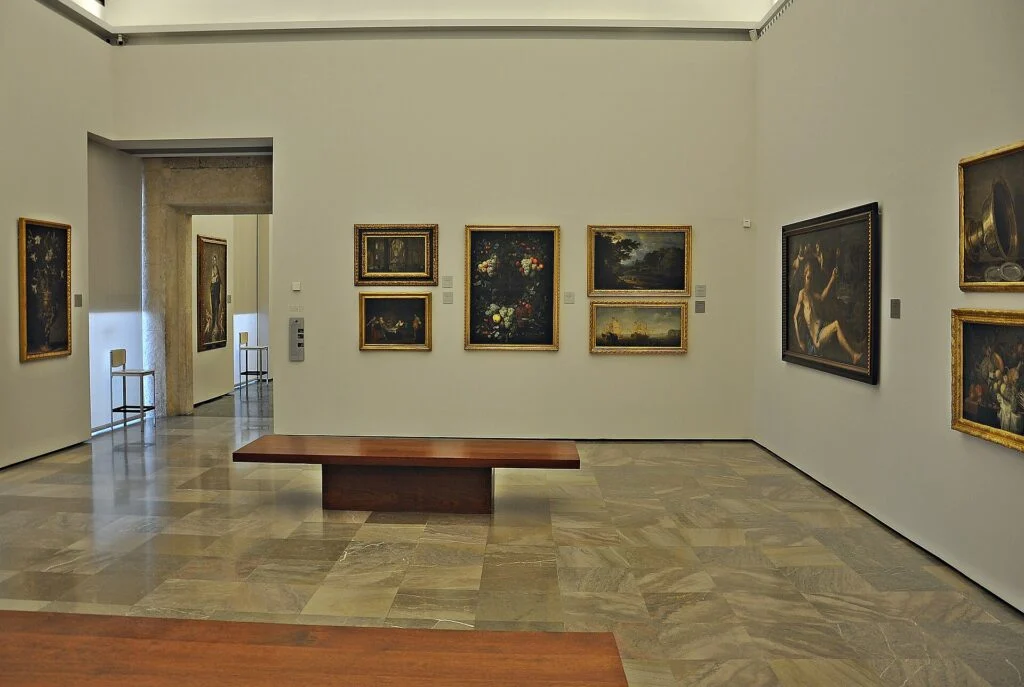
Best forArt lovers, visual culture, architecture
Setting / nearbyGranada, Spain
Overview
The Museo de Bellas Artes de Granada is a fine arts museum located in the historic city of Granada, Spain. It occupies a place among the region’s cultural institutions by focusing primarily on Spanish art, with a particular emphasis on works connected to Andalusia. Its collection spans several centuries, presenting an opportunity to explore the artistic development in this distinctive part of Spain from the late Middle Ages through to more modern periods. Unlike larger, more internationally renowned art museums, this institution offers a more concentrated view of regional artistic heritage, which can be appealing for visitors specifically interested in the cultural and historical layers of Andalusia.
The museum’s identity is closely tied to Granada’s rich history as a crossroads of Christian, Islamic, and Jewish cultures, though the collection revolves more around Christian religious art and paintings from the Renaissance and Baroque periods. It is situated in a city famous for the Alhambra and its Moorish architecture, yet the Museo de Bellas Artes presents a different cultural facet of Granada, focusing on later artistic traditions rather than medieval or Islamic art. This distinctiveness may help visitors who wish to broaden their understanding beyond the city’s more famous monuments.
Collection Highlights
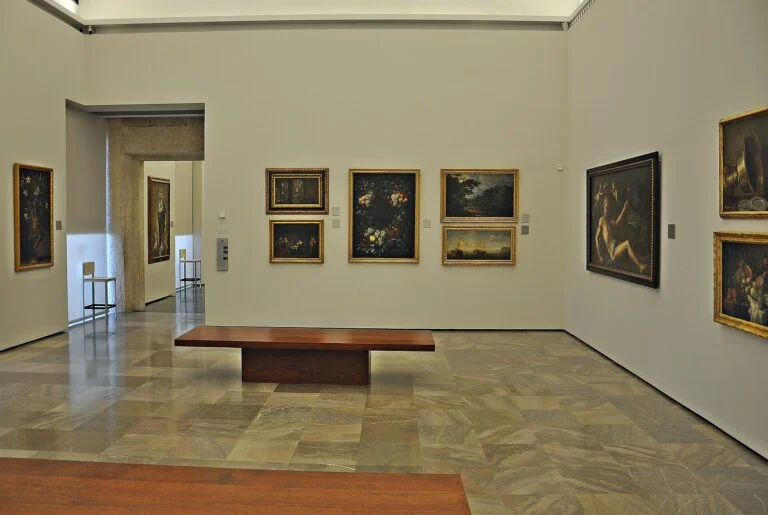
The core of the museum’s collection is composed of Spanish paintings, sculpture, and decorative arts, with many works coming from religious institutions and local collections. A large portion of the paintings date from the 16th to 18th centuries, a period when Granada experienced significant artistic activity. The collection includes pieces by artists who worked in the Andalusian region or whose careers were closely linked to Granada.
Visitors will encounter a range of religious-themed artworks, reflecting the strong influence of Catholicism in the area’s art history. These include altarpieces, devotional paintings, and portraits of saints, which provide insight into the spiritual life and artistic tastes of the period. The museum also holds examples of Sevillian and other Andalusian painting schools, which contribute to understanding regional variations within Spanish art.
Sculpture within the collection tends to complement the paintings, often including religious figures carved in wood, a traditional material for local ecclesiastical art. Decorative arts such as silverwork and textiles may also be part of the displays, although these tend to support the main narrative rather than being the primary focus.
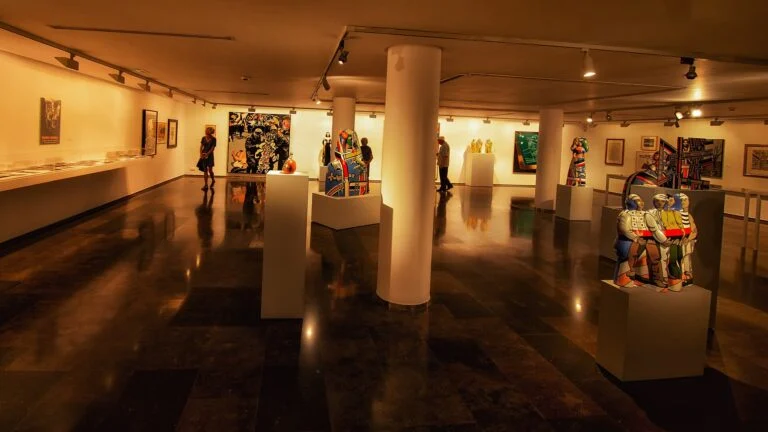
The museum’s holdings may not feature major international masterpieces or comprehensive coverage of art beyond Spain, so visitors primarily interested in global art histories might find the collection limited in diversity. However, for those seeking depth in Andalusian and Spanish religious and Baroque art, the museum provides a focused and thoughtfully presented selection.
Building and Setting
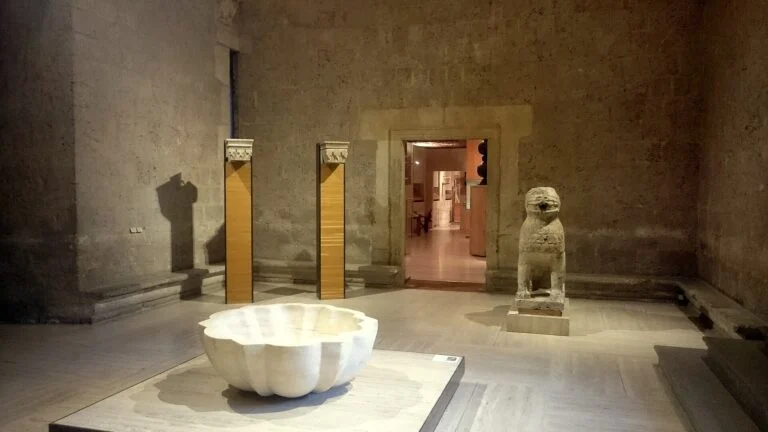
The Museo de Bellas Artes de Granada is housed in the historic former Convent of La Merced, an early 16th-century building that itself conveys a sense of the city’s layered past. The convent’s architectural features, including its cloister and Renaissance details, add an atmospheric backdrop to the artworks on display. The building’s relatively modest scale compared to larger institutions may allow for a quieter, less crowded experience, which some visitors will appreciate.
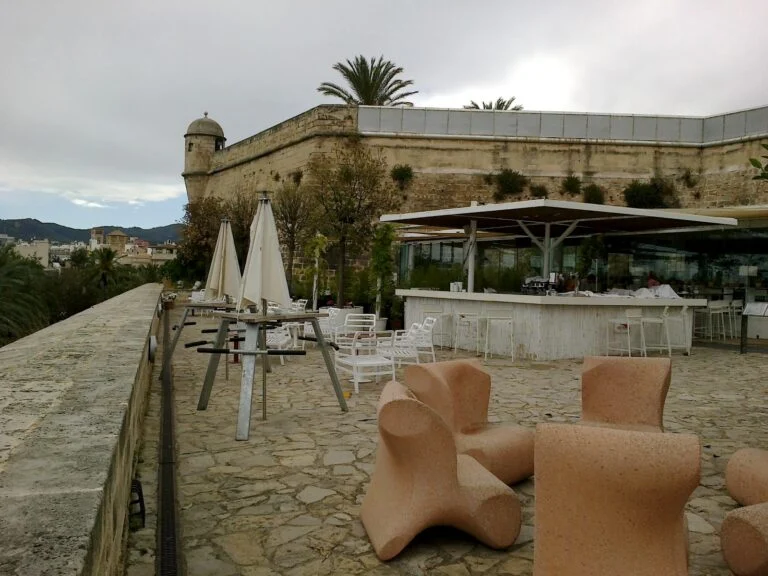
The museum is located in the center of Granada, a city known for its narrow streets, historic plazas, and proximity to major cultural landmarks. While the exact surroundings of the building balance urban activity with the historic character of the district, the museum does not typically offer extensive views or large gardens as part of its setting. The focus here is more on the indoor experience where art and architecture meet.
Practical Information
Since museums occasionally update their arrangements, visitors should consult the official website of the Museo de Bellas Artes de Granada for the most current information on opening hours, admission fees, guided tour availability, and any visitor services such as audio guides or educational materials. It is also advisable to verify accessibility options in advance, especially for those with mobility concerns, as the museum’s historic building may present some physical limitations that newer institutions might not have.
There is limited publicly available data on on-site amenities like cafés and shops directly within the museum, so potential visitors may want to plan accordingly if they expect to spend extended time close by. Granada itself offers numerous options for dining and shopping, but the museum experience remains primarily focused on the art and the building.
Why Visit
The Museo de Bellas Artes de Granada invites visitors with particular interest in Spanish art, especially from the Andalusian region, to explore a focused collection within a historic setting. It offers a chance to view religious works and paintings that reflect the cultural priorities of Granada during the Renaissance and Baroque eras, periods that shaped much of the city’s visual identity beyond its Islamic heritage.
While it may not cater to every taste, especially those seeking a broad international art survey or contemporary collections, the museum’s strengths lie in its regional specificity and the way it preserves and exhibits local traditions. For anyone wanting to deepen their understanding of Andalusian Catholic art or the artistic milieu of Granada beyond its Moorish past, this museum stands as a valuable resource.
The experience can be particularly rewarding for those who appreciate the harmony between historic architecture and its art contents, offering a quieter and more focused alternative to the larger cultural sites within the city. As with many specialized museums, expectations should be tailored to a concentrated, somewhat specialist collection rather than a comprehensive or highly diverse presentation.
Ultimately, the Museo de Bellas Artes de Granada adds a meaningful layer to the visitor’s experience of the city, complementing the broader heritage visible elsewhere in Granada. Participants in art and history touring of this part of Spain will find value in its holdings and historical context, provided they approach it with an interest in regional art traditions and the legacy of religious artistic expression.