Madre Museum Review
Art Museums · Naples, Italy. Madre Museum, formally known as Museo d’Arte Contemporanea Donnaregina, is situated in the historic heart of Naples, Italy. Established in the early 2000s as part of a broader effort to revitalize contemporary art in…
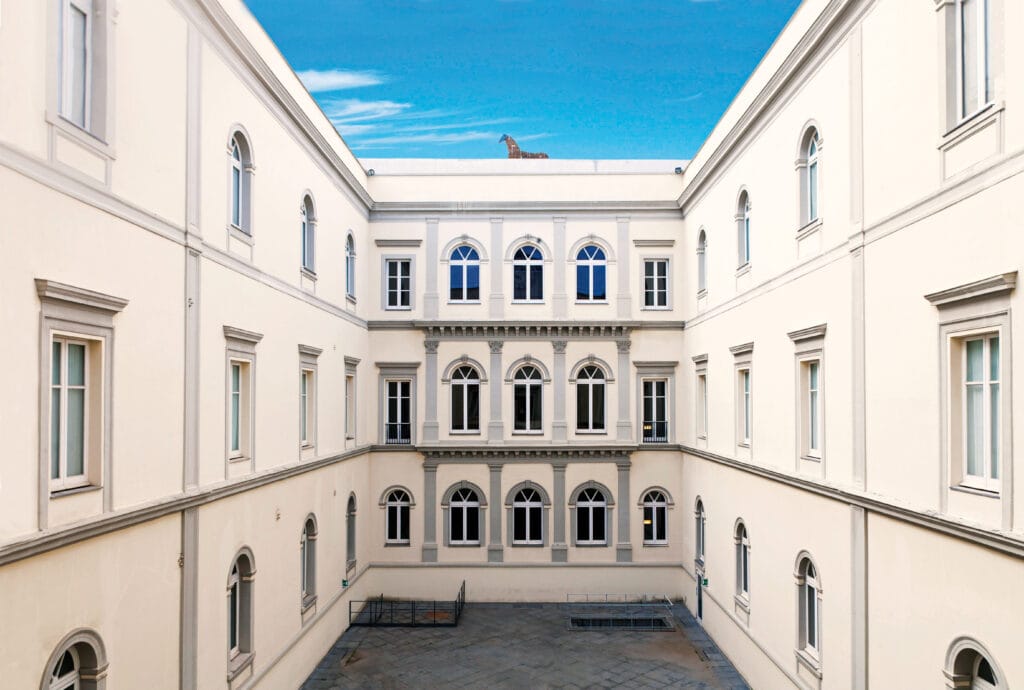
Art Museums · Naples, Italy. Madre Museum, formally known as Museo d’Arte Contemporanea Donnaregina, is situated in the historic heart of Naples, Italy. Established in the early 2000s as part of a broader effort to revitalize contemporary art in…
Best forMuseum lovers, culture travelers, first-time visitors
Review focusCollections, visitor experience, and practical planning
Historical Context
Madre Museum, formally known as Museo d’Arte Contemporanea Donnaregina, is situated in the historic heart of Naples, Italy. Established in the early 2000s as part of a broader effort to revitalize contemporary art in southern Italy, Madre was conceived to bridge the city’s significant historical legacy with the evolving dialogues of present-day visual culture. Housed in a former 18th-century palazzo, the museum’s architecture integrates Baroque elements with modern interventions, reflecting Naples’ layered cultural identity. The initiative responded to a gap in the city’s cultural landscape, since Naples historically emphasized classical and Renaissance art, while contemporary expressions had fewer institutional platforms. Over time, Madre has gained recognition within Italy and internationally for its focus on contemporary practices, particularly those engaging with socio-political themes relevant to both local and global contexts. The museum positions itself as a site both for artistic experimentation and for public engagement with contemporary issues, often emphasizing artists from the Mediterranean basin as well as other regions. It also participates in broader museum networks that promote current art, fostering collaborations though exhibiting primarily within its permanent collections and official programming.
What You See on Arrival
The entrance experience at Madre Museum is shaped by its urban placement in a lively district of Naples, where historical architecture stands amid bustling streets. Unlike stand-alone museum buildings in more suburban or park settings, Madre is embedded within a dense urban fabric, which immediately signals a different visitor expectation. The palazzo’s exterior retains a dignified historic appearance but is marked by subtle modern interventions—glass, minimalist signage, and clean lines—that clearly differentiate the institution as contemporary in focus. Upon approach, visitors encounter a formal yet somewhat understated entrance that emphasizes the building’s architectural significance alongside its role as a contemporary art venue. The immediate impression is one of a museum integrated into the urban landscape, rather than a detached monumental institution. This can influence the visitor’s mindset from the start, encouraging a blending of contemporary art with everyday city life rather than a separation from it. The lobby area beyond the entrance is typically designed to transition visitors smoothly from street noise into the contemplative environment inside, preparing them for the experience of art that Madre seeks to foster.
Highlights and Key Exhibitions
Madre Museum’s collection centers on modern and contemporary art, concentrating on the late 20th century to the present day. The museum’s holdings include a considerable array of works spanning various mediums such as painting, sculpture, video art, installation, and photography. Many pieces engage directly with themes of urban life, identity, migration, and social transformation, reflecting the complex realities of Naples and the Mediterranean region in a globalized world.
One of the museum’s notable strengths is its dedication to works by Italian and Mediterranean artists, which develop local narratives within broader currents of international contemporary art. This approach grounds the collection in place-specific concerns while connecting Naples to global conversations in the arts. For example, works by contemporary Neapolitan artists may address issues specific to the city—such as socio-economic challenges and cultural hybridity—while works by artists from other Mediterranean countries often speak to shared histories, displacement, and political realities.
Within the permanent collection, visitors can expect to encounter a robust selection of installations that challenge traditional museum display formats, urging active engagement or reflection on spatial and conceptual levels. Certain spaces within the museum are dedicated to site-specific installations tailored to the unique architectural features of the palazzo, showing the curatorial emphasis on dialogue between the collection and the historical setting.
The museum also manages thematic displays overlaid onto its permanent holdings, encouraging visitors to consider contemporary art not as a static entity but as a network of evolving ideas and practices. While the museum is not primarily focused on blockbuster artists or extensive temporary exhibitions, it nevertheless plays an important role in introducing newer voices and experimental projects that reflect current artistic trends. This curation allows visitors to grasp both established and emerging artistic viewpoints.
Furthermore, Madre’s staging of video and media art is significant, given the increasing importance of these formats in contemporary practice. The museum offers viewing areas designed specifically to accommodate these media, acknowledging that such works require a distinct mode of presentation and engagement. Photography and works on paper also feature within the collection, adding textural and formal variety.
Overall, the museum’s holdings reflect a commitment to the contemporary moment, with a clear emphasis on political, social, and environmental topics addressed through an artistic lens. By doing so, Madre cultivates an environment that invites visitors to consider art as a stimulus for public debate and individual contemplation alike.
Visitor Experience
The experience at Madre Museum depends largely on one’s familiarity with contemporary art and comfort with its conceptual dimensions. The museum’s curatorial choices favor artworks that often demand a degree of reflection or interpretation rather than straightforward historical narratives or object-based displays. This makes the institution well-suited to visitors who appreciate challenging or thought-provoking art, including students, academics, and those engaged with social and cultural critique. The variety of media and presentation formats ensures that the collection is not static, but dynamic in terms of pacing and engagement style.
Wayfinding around the museum benefits from clear layout planning, which generally respects the physical structure of the historic palazzo while adapting spaces for modern exhibitions. Visitors navigate through a combination of large open rooms and more intimate galleries, enabling fluctuations in scale and atmosphere as one moves through the museum. This spatial variation helps maintain visitor interest over the course of the visit.
Interpretation within the museum typically draws on a range of texts—wall labels, catalogues, and occasionally digital supports—aimed at clarifying artistic intent and contextual background without overwhelming the visitor with jargon. This level of interpretation respects diverse educational backgrounds but assumes some baseline familiarity with contemporary art discourse. Some visitors more accustomed to traditional art museums might find certain conceptual pieces less accessible, though this is offset by the museum’s efforts to situate art within relevant social and cultural contexts.
The museum’s integration within the urban fabric means that the visitor experience extends beyond the galleries themselves. The surrounding neighborhood vibrates with the day-to-day life of Naples, and art interacts with this environment by serving as a point of cultural reflection amid the city’s rhythms. For those who seek a contemplative escape, the museum offers refuge, but it also invites questions about how art relates to the world outside its walls.
Certain practical points merit consideration. Given the museum’s urban setting and architecturally complex spaces, some visitors with mobility challenges might find navigation difficult, depending on the specific layout adaptations. Environmental conditions within the historic building can vary, with some galleries subject to limitations posed by the preservation of artistic material and architecture.
Tickets, Access, and Planning
Madre Museum does not publish standardized ticketing or access policies through widely available sources, so visitors should refer to the official museum website or contact the institution directly for the most current information before planning a visit. This is especially advisable for information about opening times, any necessary advance booking, discounts, accessibility accommodations, or special services such as guided tours or educational programs.
Access to the museum aligns with its city-center location, which benefits from public transportation options common to Naples but may present challenges for those relying on private vehicles due to limited parking availability. The urban environment can be crowded and may require some walking on uneven pavement or cobbled streets.
Given the museum’s structure in a historic palazzo, potential visitors with specific mobility needs or other access requirements should seek detailed information in advance, as adaptations may be present but not fully comprehensive. Information related to language accommodations, such as multilingual signage or interpretation, is not broadly documented, so checking ahead for visitor services is advisable.
Planning a visit to Madre Museum should include consideration of potential queues or crowding during peak tourist seasons or special exhibition openings, though these aspects are not broadly reported as problematic. The museum’s straightforward layout and well-marked signage assist with visitor orientation once inside.
Final Verdict
Madre Museum occupies an important niche in Naples’ cultural scene by offering a sustained platform for contemporary art within a city deeply associated with historical art traditions. Its combination of a historically significant building with a distinctly modern artistic program creates a dialogue between past and present that is intellectually stimulating. The museum’s emphasis on Mediterranean and Italian contemporary art ensures that its collection is regionally grounded while engaging with universal themes such as identity, migration, and social justice.
For visitors interested in contemporary visual culture framed through a socially engaged lens, Madre offers a rich and nuanced experience. The variety of media and the thoughtful use of architectural space create an environment conducive to both reflection and conversation. However, those seeking more traditional art museum encounters or heavily text-based interpretive frameworks may find some exhibitions challenging or less immediately accessible.
Practical considerations—related to access, tickets, and visitor services—require some planning beforehand, and potential visitors should consult official sources for up-to-date and detailed information. The urban context adds both richness and logistical complexity, making the museum a destination best undertaken with intentional preparation rather than casual spontaneity.
In sum, Madre Museum is a substantive institution in the contemporary art field, serving an important role in Naples and beyond. It invites visitors to engage with urgent themes through compelling artistic expressions but does so within specific conceptual and spatial frameworks that shape the visitor experience deliberately. Those who approach Madre with openness to contemporary art’s demands will find it a rewarding venue for both education and inspiration.