Fujian Museum
Archaeology Museums · Fuzhou, China. The Fujian Museum is a comprehensive local history museum located in Fuzhou, the capital of Fujian Province in southeastern China. It serves as a regional cultural and historical center, dedicated to presenting the rich…
Best forMuseum lovers, culture travelers, first-time visitors
Setting / nearbyFuzhou, China
Overview
The Fujian Museum is a comprehensive local history museum located in Fuzhou, the capital of Fujian Province in southeastern China. It serves as a regional cultural and historical center, dedicated to presenting the rich heritage of Fujian’s people, environment, and historic developments. Founded in the late 20th century, the museum has grown to accommodate a wide range of artifacts and exhibits that document the province’s unique position at the crossroads of inland China and coastal maritime routes.
More than just a repository of regional history, the Fujian Museum combines archaeological finds, ethnographic materials, and artworks to showcase the diverse aspects of Fujian society. Its collections reflect the area’s longstanding role in trade, craftsmanship, and cultural exchange, influenced by both local traditions and outside contacts through maritime commerce. Visitors interested in the social, cultural, and natural history of southeastern China will find the museum’s displays a thoughtful introduction to the province’s past and present.
Collection Highlights
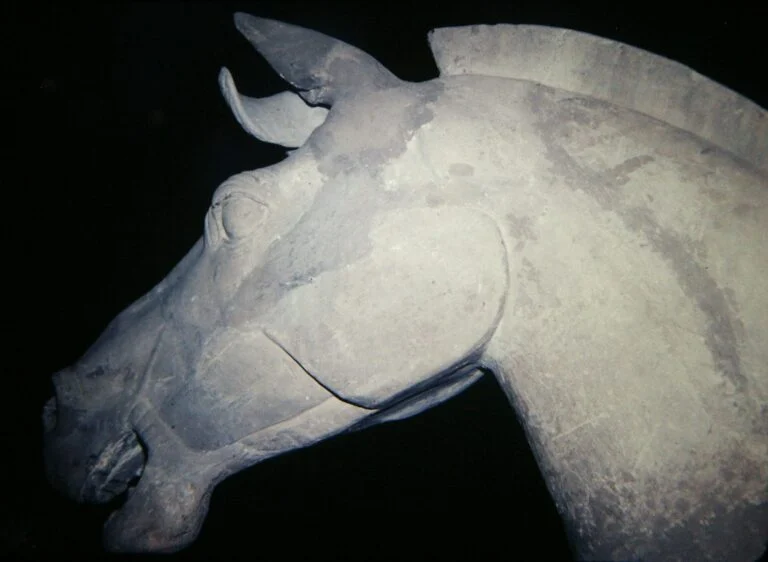
The museum’s strengths lie in its multidisciplinary collections that cover archaeology, ethnography, traditional arts, and natural history. Archaeological material ranges from prehistoric pottery and stone tools to relics from the Han dynasty onward, illustrating continuous human activity in the Fujian region. Some of the older pieces point to early cultural groups who inhabited the area, shedding light on technological and social developments over millennia.
Ethnographically, the museum displays objects related to the customs, clothing, and daily lives of Fujian’s minority groups, such as the She people. These exhibits reveal aspects of traditional lifestyles that continue to resonate in the province’s contemporary cultural fabric. Handmade crafts, folk art, and religious artifacts are presented with interpretive labels that clarify their significance and function within local communities.
One notable area emphasizes Fujian’s maritime heritage. Exhibits include models or remnants of ancient ships, nautical tools, and documents that demonstrate the province’s role in maritime trade networks historically connecting China with Southeast Asia and beyond. These displays contribute to understanding Fujian’s economic and cultural linkages shaped by its coastal geography.
The museum’s art collection includes calligraphy, paintings, sculptures, and ceramics made by regional artists or reflecting local styles. While art is not the sole focus here, pieces on view provide insight into artistic expression centered on regional themes, landscape, and traditions.
Additionally, parts of the museum touch on the natural history of Fujian, illustrating the province’s varied ecosystems and native species. This adds broader environmental context to the human history presented elsewhere, though it typically receives less exhibition space than cultural artifacts.
Building and Setting
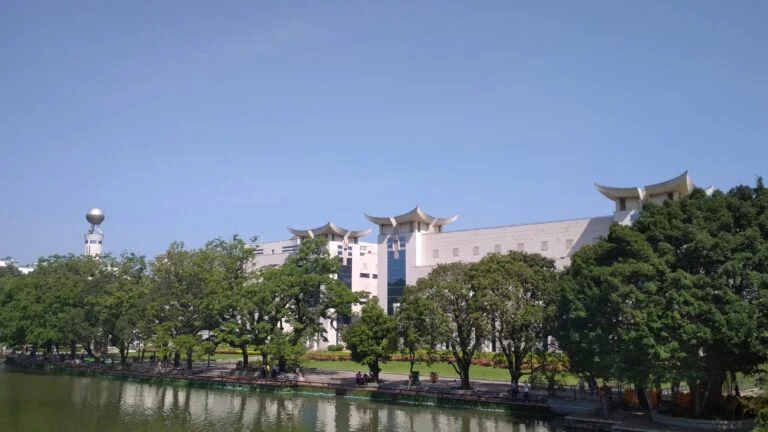
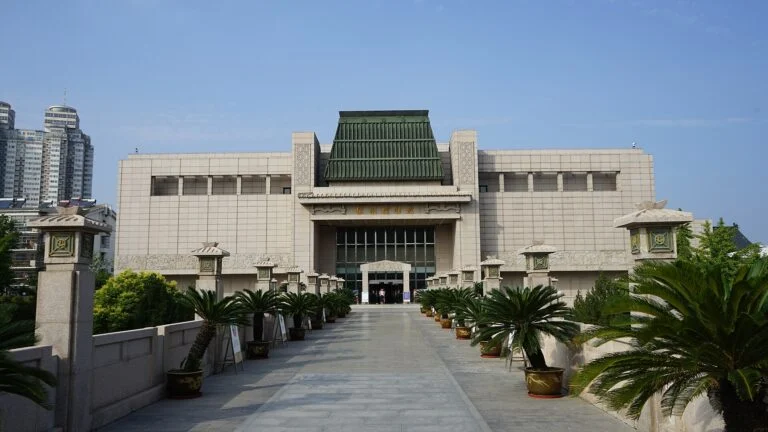
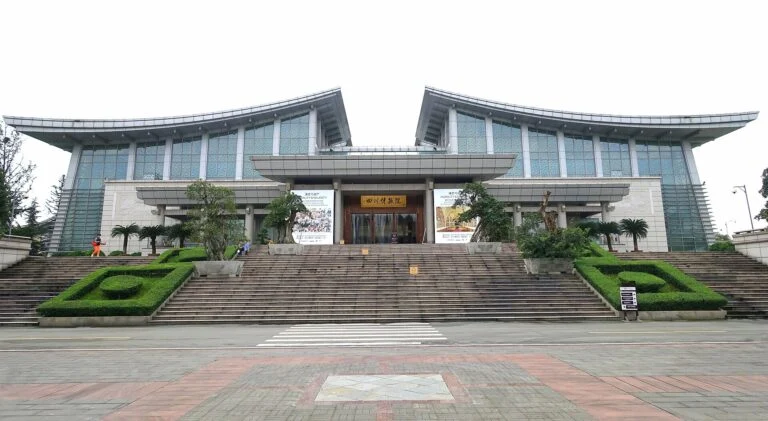
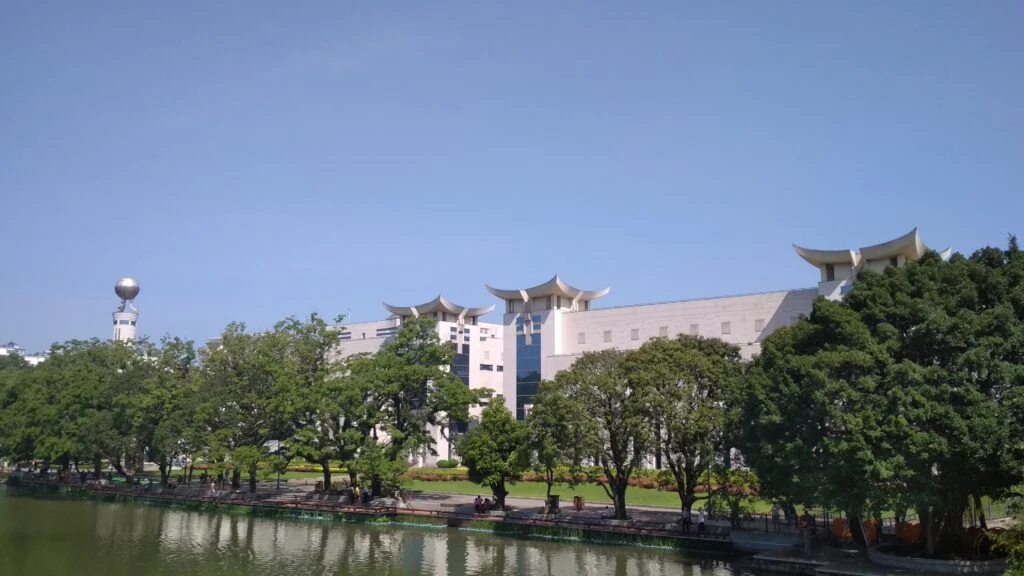
The Fujian Museum is situated within the urban area of Fuzhou. The building itself is a modern structure designed to accommodate multiple distinct exhibition halls along with storage and conservation areas. Its architecture is functional, focusing on creating appropriate environment conditions for artifact preservation and visitor flow around the collection.
The museum’s location in Fuzhou places it near government offices, cultural institutions, and transport hubs. This accessibility makes it a feasible stop for those interested in gaining a clearer understanding of the province’s heritage within the city context. The surroundings are mainly urban rather than parkland or natural settings, so visitors seeking a scenic venue should plan accordingly.
Visitors might find the layout to be a straightforward progression through thematic galleries, enabling them to experience chronological or topic-based narratives without excessive backtracking. Lighting, display cases, and signage are designed with conventional museum standards to facilitate viewing and comprehension.
Practical Information
Before planning a visit, it is advisable to check the museum’s official website or contact local information sources for the latest details on opening hours, ticketing policies, and available visitor services. Information about guided tours, educational programs, or audio guides might not be widely published and could vary depending on season or public health requirements.
Ticketing practices and admission fees are not universally reported, so visitors should be prepared for variable charges depending on their status (local resident, student, senior visitor) or special exhibitions in place at the time. Accessibility standards are in place to some extent, but travelers with specific needs may wish to inquire directly about accommodations.
The museum does not primarily cater to children as an interactive or entertainment venue but does have educational content that may interest older students or adults with an interest in cultural history. Visitor flow is usually manageable, although public holidays or certain exhibit openings could bring larger crowds.
Food and retail facilities count on official confirmation. As conditions can change, prospective visitors should not expect extensive amenities onsite but may find nearby urban services within walking distance.
Why Visit
The Fujian Museum offers a solid introduction to a province with a layered past that has often operated in the shadow of larger Chinese cultural centers. For those intrigued by the interplay of coastal trade, ethnic variety, and historical innovation in southeastern China, this museum presents collections that ground those narratives in tangible artifacts and interpretive context.
It is particularly well suited for visitors who appreciate structured, informative displays that avoid overwhelming digital or theatrical effects. This approach supports a more reflective engagement with the objects and their histories. Scholars or aficionados of Chinese regional history will find material that prompts further inquiry into Fujian’s distinctive contributions.
The museum’s focus on local material culture and natural history situates it as a resource for regional identity as well as for understanding the dynamics between tradition and modernization in this part of China. While it does not attempt to cover all aspects of Chinese national history, its targeted scope offers depth for those seeking insight into the province’s place within broader historical currents.
Potential visitors should note that the museum is less oriented toward entertainment or casual browsing compared to institutions with interactive or contemporary art programming. Its strength lies in solid, well-organized collections presented in an environment that encourages contemplation and learning.
In conclusion, the Fujian Museum in Fuzhou stands as a carefully curated institution providing a meaningful look at the cultural and environmental history of Fujian Province. It fits visitors aiming for a measured understanding of regional China through a nuanced collection that supports scholarly interest as well as a curious traveler’s search for context and connection. Checking current visitor information before arrival will ensure the best experience possible.