Moscow Kremlin Museums
The Moscow Kremlin Museums occupy one of Russia’s most significant and symbolically charged historical sites. Located within the Kremlin complex in the heart of Moscow, the museum group is a multifaceted institution that presents a range of exhibits…
Best forMuseum lovers, culture travelers, first-time visitors
Setting / nearbyMoscow, Russia
The Moscow Kremlin Museums occupy one of Russia’s most significant and symbolically charged historical sites. Located within the Kremlin complex in the heart of Moscow, the museum group is a multifaceted institution that presents a range of exhibits related to the Kremlin’s political, spiritual, and cultural history. Visitors to these museums encounter not only artistic and historical artifacts but also the architectural and ceremonial grandeur of the Kremlin walls and cathedrals, making this museum complex a key destination for those interested in Russian history and heritage.
Collection Highlights
The Moscow Kremlin Museums are not a single museum but rather a collection of different museum spaces and exhibitions housed within the Kremlin’s grounds. This includes the Armoury Chamber, the Diamond Fund, and various historic cathedrals, each offering distinctive collections.
The Armoury Chamber is one of the most well-known sections, featuring an extensive collection of state regalia, weaponry, armor, and ceremonial cloth. Among the exhibits are intricately crafted thrones, coronation garments, jeweled parasols, and finely decorated arms dating back several centuries. The craftsmanship on display reflects a wide range of cultural influences and artistic traditions from different eras of Russian history.
The Diamond Fund contains a showcase of Russia’s most precious jewels, including rare diamonds, elaborate gold and silver pieces, and historic crown jewels. The collection also covers objects of symbolic importance, such as scepters and orbs once used by Russian tsars.
In addition to these, the cathedrals and churches within the Kremlin compound serve both religious and museum functions. These buildings exhibit frescoes, religious icons, and sacred artifacts, offering insight into the Orthodox Church’s role in Russian history and art. The interior decoration of these cathedrals, with their frescoes and iconostases, provides a culturally rich experience that complements the secular displays found elsewhere in the museum complex.
Building and Setting
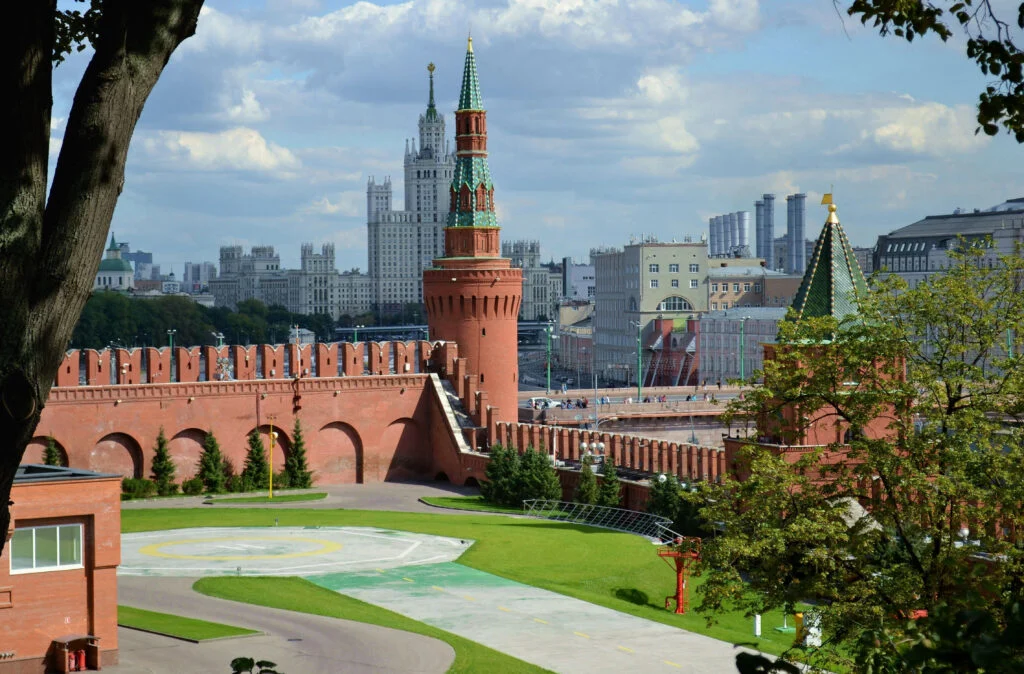
The museums are situated within the Kremlin, a fortified citadel that has served as a seat of power for Russian rulers from the medieval period through to the present day. The Kremlin’s walls and towers enclose several historic buildings, including the Grand Kremlin Palace and several cathedrals, each constructed in distinctive architectural styles ranging from medieval Russian to Italian Renaissance influence.
Visitors navigate the museum through courtyards and galleries that have been preserved and adapted to house exhibitions and displays. The setting is inseparable from the museum experience, as the buildings themselves are artifacts. Their robust stone walls, gilded domes, and ornate interiors create an atmosphere that evokes Russia’s imperial and religious history.
While much of the museum complex is indoors, its location within a secured historical complex imposes certain flow restrictions, which may require planning ahead for visitors. The Kremlin’s central position also situates it amid Moscow’s busy urban environment, contrasting with the quieter, enclosed spaces within its boundaries.
Practical Information
Visitors planning a trip to the Moscow Kremlin Museums should consult the official website or authorized sources for current information on opening hours, ticketing, guided tours, and accessibility options. The museum complex is a popular destination, and policies around group visits, photography, and entry restrictions can vary with season and security considerations.
The complexity of the Moscow Kremlin Museums means that taking time to consider which parts to prioritize can enhance the visit. Some areas may require separate tickets or timed entry, especially during peak tourist months. Audio guides or guided tours might be available, but their presence and languages offered can fluctuate.
For those interested in the religious sites within the complex, appropriate dress codes might be recommended or required. Similarly, photography policies tend to be strict in certain sections, especially within the cathedrals and Diamond Fund.
Why Visit
The appeal of visiting the Moscow Kremlin Museums lies largely in their unique combination of cultural, historical, and architectural significance. For anyone interested in Russian history, the museums offer a chance to see firsthand the artifacts that tell stories of imperial power, religious tradition, and statecraft.
Art and history enthusiasts will find the range of objects compelling, from beautifully crafted jewelry and arms to historic relics intertwined with Russia’s evolving identity. The setting—the Kremlin itself—adds a layer of historical context that a typical museum building rarely provides.
However, potential visitors should consider that the museum’s broad scope can be overwhelming since it encompasses diverse collections spanning many centuries. Planning ahead to focus on particular sections can make the visit more manageable and rewarding. The museums suit a range of visitors, including those with a strong interest in decorative arts, Russian Orthodox art, and political history.
In essence, the Moscow Kremlin Museums offer an experience not just of looking at exhibits but of stepping into a site where Russian history has unfolded at the highest level. Its blend of collections and setting makes it a key place for understanding Russia’s past and the cultural achievements that have shaped the nation. As with any large, historic complex, a thorough visit requires some preparation to navigate the museum’s practicalities smoothly and make the most of what the site has to offer.