Kyoto National Museum
The Kyoto National Museum is a prominent art museum located in Kyoto, Japan. It forms one of the major cultural institutions in the city, complementing Kyoto’s long history as a center of traditional Japanese culture and heritage. Founded…
Best forMuseum lovers, culture travelers, first-time visitors
Setting / nearbyKyoto, Japan
Overview
The Kyoto National Museum is a prominent art museum located in Kyoto, Japan. It forms one of the major cultural institutions in the city, complementing Kyoto’s long history as a center of traditional Japanese culture and heritage. Founded in the late 19th century, the museum is dedicated primarily to the preservation, study, and display of premodern Japanese and East Asian arts. Its mission aligns with the broader efforts in Japan to safeguard cultural properties and to share these with the public in a structured, educational environment.
Unlike museums focused on contemporary art or a broad sweep of world culture, the Kyoto National Museum concentrates on historical artifacts and artworks related to Japan’s artistic past. It combines fine art, craft, archaeological objects, and religious artifacts under its roof, reflecting the layers and complexities of East Asian civilization, especially the Japanese cultural tradition. Its collections come from imperial and private holdings, occasionally including important loans or recent archaeological finds.
Collection Highlights
The strength of the Kyoto National Museum rests in its collection of Japanese art from roughly the Heian period (8th–12th centuries) onward. Visitors can expect to encounter traditional paintings, ceramics, textiles, sculptures, and calligraphy. Ceramics from well-known regional kilns and periods, such as kutani and raku pottery, feature alongside religious sculptures primarily associated with Buddhist traditions.
Paintings in the museum include handscrolls, screen paintings, and hanging scrolls illustrating historical scenes, literary narratives, and religious themes. Some pieces represent the evolution of ink painting styles and elaborate decorative techniques. Calligraphic works underscore the importance of written expression as both an artistic and spiritual discipline in East Asia.
The museum’s collection of textiles includes elaborate court costumes and Buddhist vestments, representing craftsmanship as well as the role of clothing in social and ritual contexts. Some items highlight the symbolic use of color and pattern in Japanese tradition.
It is also possible to observe archaeological artifacts from the Japanese archipelago, including items that shed light on early cultural exchanges and the development of material culture in the region. These pieces offer a tangible connection to Japan’s ancient past and the gradual shaping of its identity.
Because the collections focus on preservation and scholarship, exhibits tend to rotate and may be thematic or based on special research. This means repeat visits to the museum could reveal different facets of the collection and scholarship.
Building and Setting
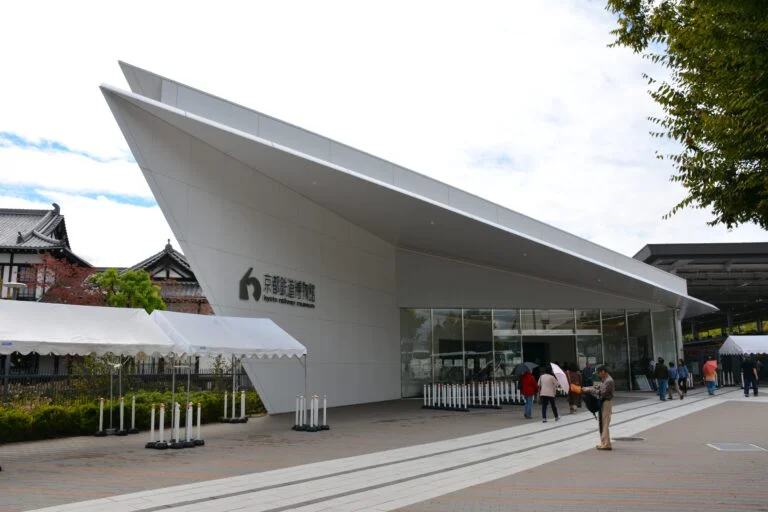
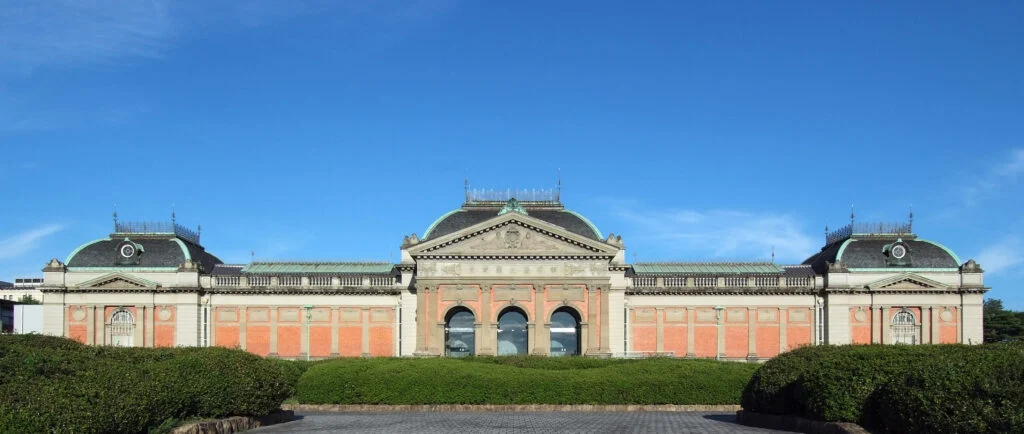
The Kyoto National Museum is housed in a building that itself reflects historical Japanese architectural influences blended with Western styles—a feature common to many cultural institutions established during Japan’s modernization period in the late 19th and early 20th centuries. This fusion of design styles echoes the museum’s role as a bridge between tradition and modern methods of preservation and display.
The museum is situated within an urban area that holds many cultural landmarks, allowing visitors to integrate their visit into a broader exploration of Kyoto’s historic and cultural sites. Its gardens and grounds offer a quiet refuge and contextual backdrop for the artifacts exhibited indoors.
While the museum is primarily an indoor space, the arrangement and design facilitate ease of movement through galleries, allowing visitors to focus on detailed artworks and artifacts. The layout, while classical in approach, usually supports engagement with objects both up close and from distance, helping to convey the scale and detail of pieces that often have intricate craftsmanship.
Practical Information
Visitors intending to explore the Kyoto National Museum should consult the official museum website for the most current information regarding opening hours, any admission requirements, tour options, and facilities for disabled visitors. Details such as ticket prices and discounts, or restrictions relating to temporary exhibitions, can change and are best confirmed directly.
Given the museum's focus on sensitive and historic objects, photography might be restricted in most galleries, and this should be anticipated and respected. The museum’s size and collection variety mean that a single visit might only cover selected exhibits, so planning ahead by checking the presented exhibitions or thematic focuses could enhance the experience.
The museum’s location in a historically rich part of Kyoto means public transportation options will be varied but checking specific routes beforehand is advisable for convenience. Facilities like cafés or gift shops may be present but should be verified in advance for availability during visits.
Why Visit
The Kyoto National Museum serves an important function in preserving and interpreting Japan’s artistic heritage. For those with an interest in Japanese art history, cultural traditions, or the material cultures of East Asia, it offers a focused and substantive encounter with objects of deep historical resonance.
Its collection caters well to visitors who appreciate detailed craftsmanship, historical context, and nuanced artistic evolution rather than those looking for contemporary or popular art forms. The museum helps illuminate how art has been intertwined with religious and social life in Japan and provides tangible access to periods often studied primarily through texts or secondary sources.
There are limitations to consider. The museum may have fewer interpretive materials in languages other than Japanese, and the specialized nature of the exhibits might challenge casual visitors without prior interest or background. It is perhaps less suited to families looking for interactive or child-friendly activities, as its focus on delicate objects and historical depth sets a more contemplative tone.
In sum, the Kyoto National Museum offers a distinctive opportunity to engage with Japan’s cultural history in a setting designed to respect and conserve its heritage. It complements the broader cultural landscape of Kyoto by anchoring visitors’ understanding of Japan’s past artistic achievements in a museum dedicated explicitly to the task of preservation and scholarly presentation. Checking the museum’s official communications before visiting will help ensure a visit that aligns well with personal interests and practical considerations.