Palazzo Colonna Gallery
The Palazzo Colonna Gallery in Rome offers a distinctive journey into Italian aristocratic life and art, housed within the private Colonna family’s historic palace. Unlike many public museums established for broad access, this gallery presents a personal collection…
Best forMuseum lovers, culture travelers, first-time visitors
Setting / nearbyRome, Italy
Overview
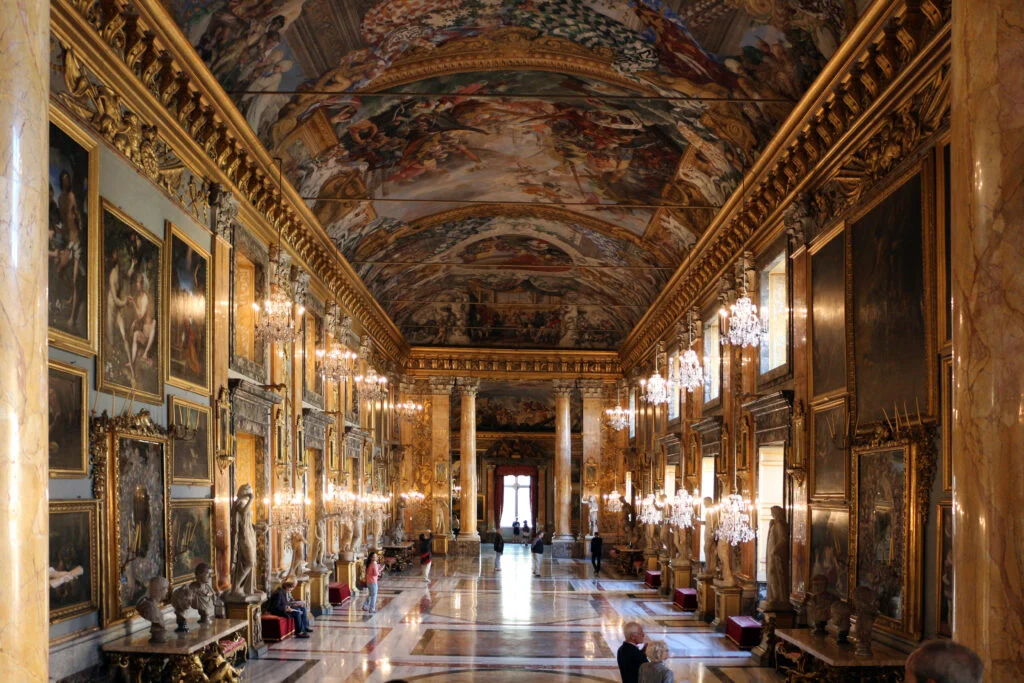
The Palazzo Colonna Gallery in Rome offers a distinctive journey into Italian aristocratic life and art, housed within the private Colonna family’s historic palace. Unlike many public museums established for broad access, this gallery presents a personal collection accumulated over centuries, reflecting the tastes, priorities, and social position of one of Rome’s most influential noble families. The gallery is both a repository of fine art and a representation of elite residential culture in Italy. Its setting, embedded within the historic center of Rome, situates visitors amid the city’s layered artistic and architectural history.
The Palazzo Colonna is an art museum in the sense that its main focus is on painting, sculpture, and decorative arts. However, it also functions partially as a house museum, as much of the collection remains displayed in rooms shaped by the family’s domestic use and historical legacy. The overall experience tends to emphasize the intersection of art and aristocracy rather than straightforward art historical narrative alone. Visitors interested in the dynamics of Italian noble patronage or the continuity of family collections over time will find particular value here.
Collection Highlights
The gallery’s holdings center primarily on Italian painting from the Renaissance through the Baroque period. This includes significant works by artists who played prominent roles in Rome’s artistic scene. Among the painters represented are figures linked to the Roman schools or with strong ties to religious and historical commissions prevalent in the city.
Visitors can expect to see large-scale frescoes and canvases that once adorned the family’s residence, as well as more intimate portraits, altarpieces, and mythological scenes. Much of the collection reflects the Colonna family’s historical alliances, religious beliefs, and political aspirations, embodied in the subjects depicted and the artists chosen.
In addition to paintings, the gallery includes a selection of sculpture and decorative arts, particularly furnishings and objects designed to complement the aesthetic environment. These items often illustrate the fusion of art and everyday life among the Roman elite across centuries.
Notably, the gallery features works or series by artists involved in evolving artistic styles, enabling visitors to observe transitions and continuities in Italian art history. The focus on such a private collection provides a glimpse into curatorial decisions made within a familial context, differing from those of state-run or public museums.
Building and Setting
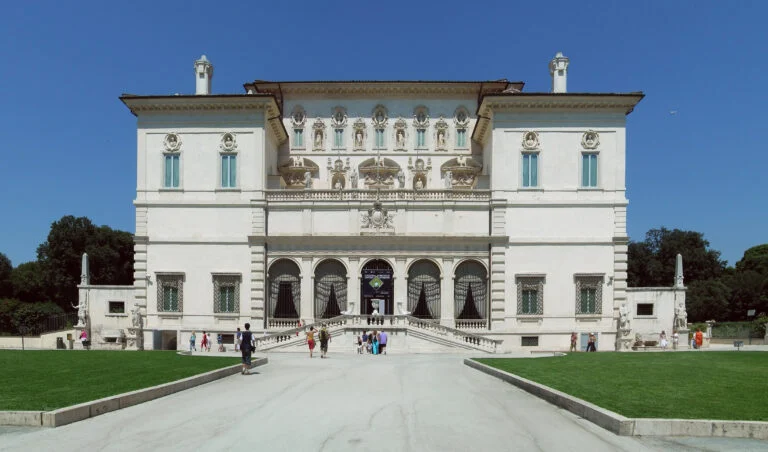
The gallery occupies part of the Palazzo Colonna, an extensive family palace complex situated in the heart of Rome. The location is accessible within the urban fabric, not far from other historic landmarks, embedding the visit within the broader context of the city’s artistic and architectural heritage.
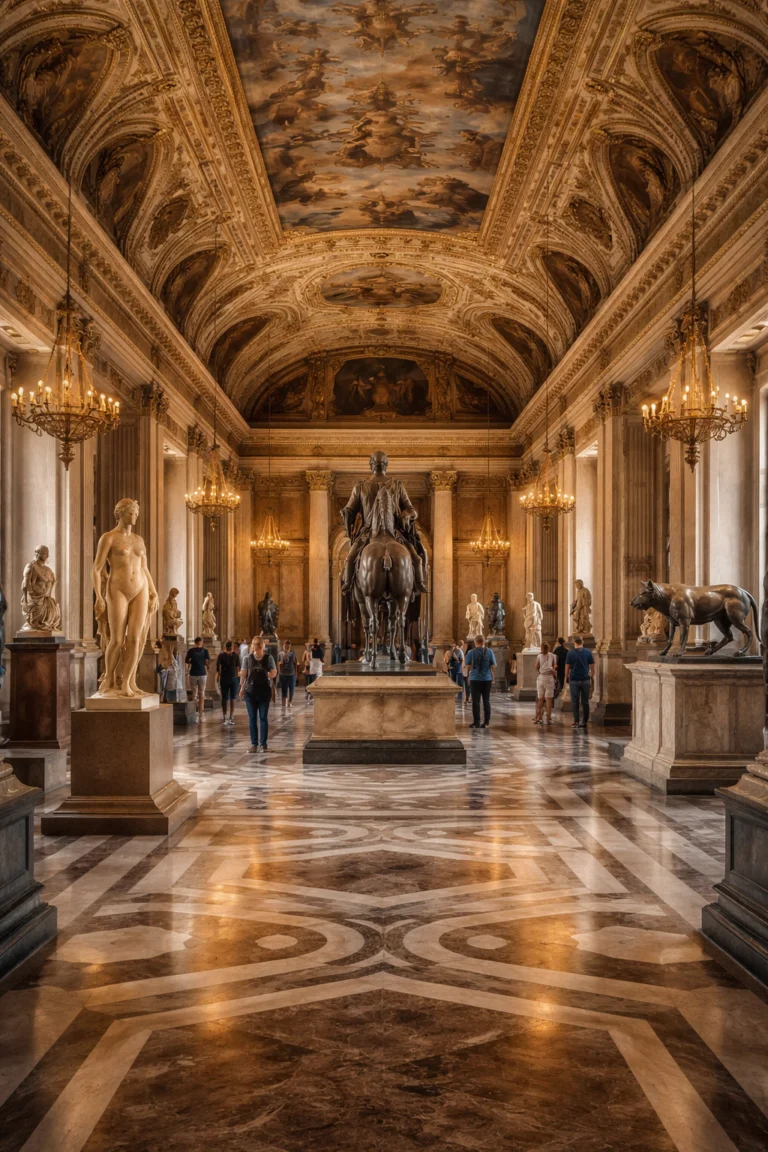
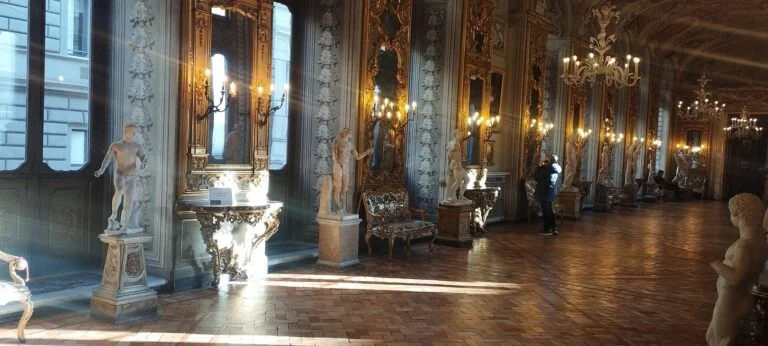
The building itself carries layers of history, architectural modifications, and decorative programs designed to reflect the family’s status and tastes. Visitors experience the artworks in rooms that still preserve aspects of their original setting, including frescoed ceilings and elaborate stuccoes. This contributes to an impression of stepping into a living aristocratic residence, which shapes how the collection is perceived.
While not all visitors may navigate through the entirety of the palace complex during the gallery visit, the parts open to the public provide a sense of scale and sophistication inherent in noble Roman architecture. The atmosphere is less about minimal, modern display and more about integrated historic environment.
Practical Information
For those considering a visit, it is essential to consult the official website or contact the gallery directly for the most current information regarding opening hours, admission fees, booking requirements, and accessibility. Museums like this, dependent on preservation and family administration, often have more limited visiting schedules compared to larger public institutions.
Information about guided tours, audio guides, or special exhibitions may vary, so checking ahead is recommended. The size and layout of the gallery may affect visitor flow, and some rooms could be subject to restrictions to protect the artworks and interiors.
Visitors should plan accordingly for a potentially smaller-scale museum experience, with limited visitor amenities common to many historic house museums. The focus is very much on the art and architecture rather than additional facilities.
Why Visit
The Palazzo Colonna Gallery offers a valuable perspective for those intrigued by the personal dimension of art collecting among Italy’s nobility. It stands apart from large national galleries by presenting art in its historic domestic context rather than a modern museum environment. This can deepen an understanding of how art functioned socially and culturally over several centuries within one family.
Art lovers who appreciate Renaissance and Baroque painting will find quality examples in the collection, especially those interested in the Roman artistic milieu and commissions tied to powerful patrons. The setting enhances these works by preserving their original architectural and decorative context.
At the same time, the gallery is not primarily a comprehensive synthetic survey of Italian art, nor does it include many of the most famous masterpieces widely dispersed in Rome’s larger museums. For visitors seeking exhaustive art historical coverage, this museum should be part of a broader itinerary rather than the sole destination.
In summary, the Palazzo Colonna Gallery is a compelling museum for those who value art within lived spaces and narratives of aristocratic life. It offers a quieter, more intimate museum experience in Rome, connecting art, history, and family legacy in ways that larger public institutions often do not. Visitors attentive to the particularities of private collections will appreciate the opportunity to engage with works that illustrate the tastes and ambitions of a noble Roman lineage.