Hong Kong Science Museum Review
Science Museums · Hong Kong, Hong Kong. The Hong Kong Science Museum opened in 1991 and has since played a significant role in presenting science and technology in an accessible format within Hong Kong’s densely urban environment. It caters to a…
Science Museums · Hong Kong, Hong Kong. The Hong Kong Science Museum opened in 1991 and has since played a significant role in presenting science and technology in an accessible format within Hong Kong’s densely urban environment. It caters to a…
Best forScience fans, families, hands-on learning
Review focusScience exhibits, innovation, and visitor planning
Historical Context
The Hong Kong Science Museum opened in 1991 and has since played a significant role in presenting science and technology in an accessible format within Hong Kong’s densely urban environment. It caters to a populous city where high-tech industries and education coexist, contributing to regional development and public engagement with scientific subjects. The museum is one of Hong Kong’s main institutions dedicated to science communication, positioned alongside the nearby Hong Kong Museum of History to provide a cultural and educational anchor in the Tsim Sha Tsui East area.
The institution was conceived during a period when interactive science centers were becoming popular worldwide, aiming to promote STEM education outside of formal school settings. Its development reflects Hong Kong’s aspirations to nurture scientific literacy among its residents and equip younger generations with basic understandings relevant to everyday life and future technology. Over the years, the museum’s holdings and exhibitions have evolved, but it retains a focus on interactive learning devices and experiments designed to engage a wide demographic, from families to school groups.
What You See on Arrival
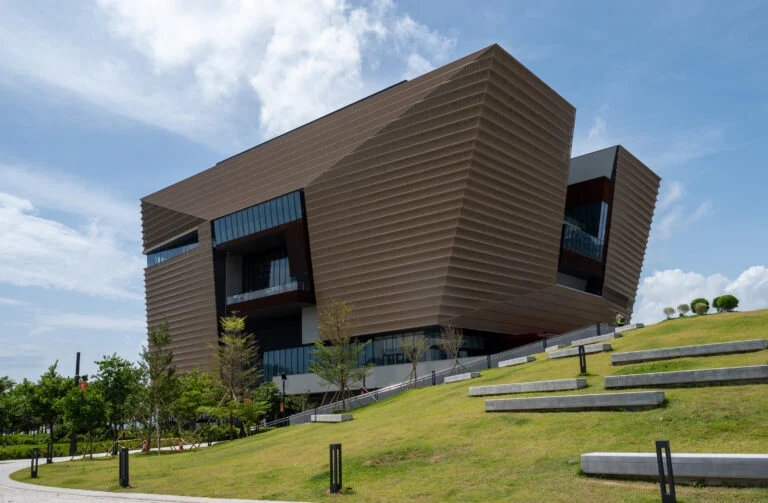
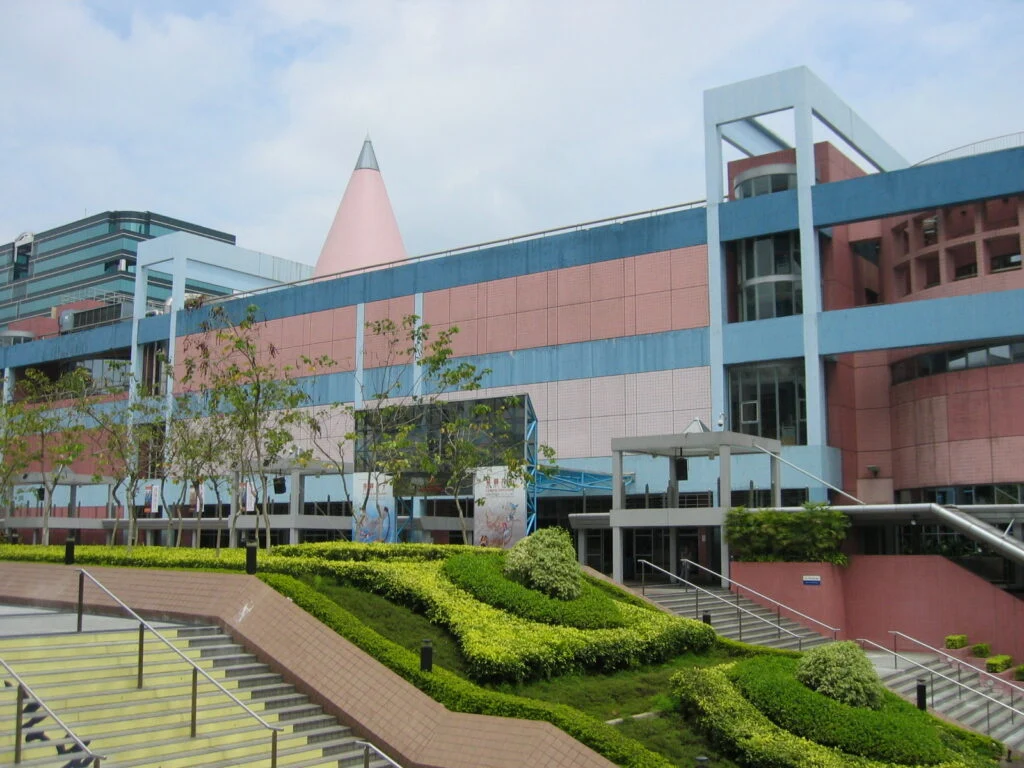
Set within a modern building not far from the urban bustle, the Hong Kong Science Museum strikes a pragmatic tone at the entrance. Visitors encounter a structure that emphasizes functionality and accessibility over ornate architecture. Its location in a commercial and cultural district makes it easy to reach by public transport, encouraging local attendance as well as international visitors with a leaning toward science.
At the entry point, signage and introductory displays orient visitors toward the thematic layout. These materials highlight the museum’s role as an exploratory and educational space, preparing visitors to engage with scientific principles through hands-on experiences. The overall atmosphere of the museum is informal and inviting rather than formal or academic, setting the stage for a largely participatory visit.
The open plan of the museum’s ground floor offers immediate visual access to a variety of exhibits. Large demonstrations and mechanized models are visible from this area, signaling the museum’s emphasis on experimentation and physical engagement with scientific concepts. This first impression situates the museum as a practical learning environment rather than a repository of rare artifacts or historical objects.
Highlights and Key Exhibitions
The Hong Kong Science Museum is known for its interactive exhibitions that cover a wide spectrum of scientific disciplines. One of the most distinct features is the large-scale, three-story-high Energy Machine, an elaborate set of contraptions designed to teach principles of kinetic energy and mechanical motion. This centerpiece serves as both an engaging visual element and a demonstration of cause-and-effect relationships in physics.
The collection focuses heavily on topics such as electricity, mechanics, human biology, and telecommunications. For instance, the electric circuit exhibits allow visitors to assemble simple circuits and observe the flow of electricity in real time, thus reinforcing abstract concepts through tactile learning. Mechanical inventions and apparatuses similarly provide opportunities to test physical theories such as leverage, pulleys, and motion.
Human biology sections explore anatomy and physiological processes with models and interactive panels, often designed with children and school groups in mind. These exhibits cover sensory perception, the human skeleton, and other bodily functions through multimedia displays and mechanical aids.
The telecommunications area, reflecting Hong Kong’s status as a telecommunications hub, includes displays on the development of communication technology, from early signal devices to modern digital networks. This portion situates local advancement against a broader scientific context, although it is purposefully simplified for broader accessibility.
The museum’s collection also touches on environmental science and sustainable energy, reflecting ongoing global concerns. Exhibits in this realm explain principles of renewable energy and conservation, framing these within everyday choices and technological possibilities.
While the museum focuses largely on interactive exhibits and educational displays rather than housing precious or historic artifacts, it benefits from a hands-on approach that enhances understanding through doing rather than solely observing. This approach suits its mission but places it within a particular niche among science institutions: more experiential than archival.
Visitor Experience
The Hong Kong Science Museum’s layout facilitates a flexible visitor flow, allowing individuals and groups to navigate at their own pace. The presence of numerous interactive stations supports self-directed exploration, making it well suited for families with children, students on educational trips, or anyone looking for a practical introduction to scientific ideas.
Interpretive materials are presented in multiple languages to accommodate Hong Kong’s diverse linguistic landscape, generally including English and Cantonese, which helps to widen its accessibility to an international audience as well as local residents. However, signage and explanations tend to be concise, prioritizing clarity over detailed scientific depth. Visitors with more advanced knowledge in science may find certain explanations somewhat elementary or broad.
Engagement with the exhibits requires physical interaction, encouraging a kinesthetic learning style that differs from museums focused on passive observation. This trait is particularly effective for younger visitors and those new to scientific concepts, but it might limit the appeal for visitors expecting more historical, technological, or expert-level content.
Crowd density can vary considerably, especially during weekends and public holidays when the museum attracts school groups. During these periods, some interactive stations might be crowded, reducing time per user and potentially affecting the overall experience. On quieter days, however, visitors can spend more time with the exhibits without pressure.
While the museum endeavors to be educational, some exhibits rely heavily on mechanical or electrical components that occasionally require maintenance, which can temporarily affect availability. This operational detail is typical for interactive science centers but is worth noting when planning a visit.
Tickets, Access, and Planning
Information about ticketing, hours, and services can fluctuate, so potential visitors should consult the official Hong Kong Science Museum website before planning a visit. This is particularly important given changes that can arise from public health guidelines or special institutional policies.
The museum’s city center location is well served by public transit, with nearby mass transit stations providing convenient access. Parking and private vehicle considerations are more complex due to the dense urban setting, emphasizing the practicality of public transportation.
Facilities are arranged to accommodate families and school groups, but detailed information on specific accessibility features, dining options, guided tours, or audio guides should be verified through official sources prior to arrival. Visitors should also check for any temporary exhibit closures or scheduled maintenance that might impact access to core displays.
Final Verdict
The Hong Kong Science Museum holds a valued place in the city’s educational and cultural sphere, particularly for audiences seeking hands-on engagement with basic scientific principles. Its interactive format and diverse themes in areas such as energy, biology, and telecommunications make it a practical resource for families and learners at introductory levels.
The emphasis on participation rather than artifact display restricts its appeal to visitors expecting a more traditional museum experience. Likewise, subject depth tends to be adapted for general audiences and school groups, which may limit interest for visitors looking for comprehensive scientific analysis or advanced exhibits.
Operational concerns such as periodic maintenance of interactive exhibits and occasional crowding during peak times can influence visitor experience but are not unusual given the museum’s mission and format.
Overall, the Hong Kong Science Museum best suits those interested in accessible, active learning rather than academic research or historical science collections. Visitors planning to engage their curiosity and experiment with physical demonstrations will find the institution supportive and direct in its presentation. Nevertheless, it is advisable to verify current visitor information through the official website to align expectations with available services and exhibits.