Kyoto Railway Museum
Railway Museums · Kyoto, Japan. The Kyoto Railway Museum presents itself as a focused railway museum dedicated to the history and technology of rail transport in Japan. Situated in Kyoto, a city with rich cultural layers and significant historical…

Best forScience, technology, hands-on learning
Setting / nearbyKyoto, Japan
Overview
The Kyoto Railway Museum presents itself as a focused railway museum dedicated to the history and technology of rail transport in Japan. Situated in Kyoto, a city with rich cultural layers and significant historical connections, the museum examines the development of railways from early locomotives to the modern era. Rather than seeking to serve as a broad transportation or industrial museum, it concentrates on the railways’ role within Japanese society and technology, offering a narrative thread that traces how trains contributed to Japan’s modernization and daily life across different regions.
Its significance stems also from its location within one of Japan’s major hubs of culture and tourism, providing access not only to domestic visitors but to international guests interested in Japan’s infrastructure history. While it does not cover every aspect of railroading worldwide, the museum’s depth in Japanese railway history is substantial, making it relevant for transport enthusiasts, history buffs, and those curious about engineering advances in a Japanese context.
Collection Highlights
The museum’s collection comprises a large range of railway vehicles and related artifacts. Visitors will find a diverse inventory of locomotives, including many steam engines that illustrate the beginnings of rail transport in Japan. These are displayed with detailed technical information, enabling an understanding of how these machines functioned and evolved.
In addition, the museum includes electric and diesel locomotives, showing the transition points and technological shifts that have shaped modern rail travel. Passenger and freight cars from various time periods are present as well, offering insight into changes in design, passenger comfort, and industrial needs.
One noticeable feature is the number of preserved vehicles that can be viewed up close, some with interiors open to visitors. This aspect allows a tactile connection to the rail experience. The museum also presents smaller equipment and railway parts such as signals, switches, and tools used in railway maintenance and operation. Exhibits often highlight the craftsmanship behind these components as well as their practical purposes.
Beyond hardware, there are displays concerning railway operations, the companies behind the lines, and the wider social impact of train travel in Japan. Archival photographs, documents, and models accompany the vehicles, providing additional context. For those interested in technical matters, the museum includes presentations on the engineering challenges and innovations associated with Japanese railways, though some explanations may assume a level of prior knowledge.
Building and Setting
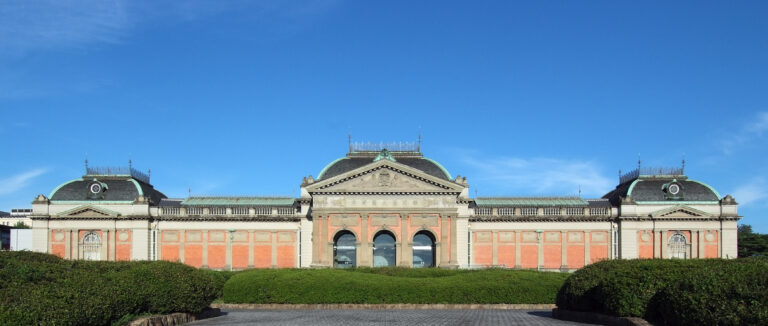
The Kyoto Railway Museum occupies a purpose-built facility designed to accommodate large rail exhibits and visitors safely. It is located within the city of Kyoto, a place more typically associated with traditional culture than industrial history. The museum’s setting thus juxtaposes modern technology with the city’s historical landscape.
The building arrangement allows for both indoor and outdoor exhibits. Large, well-lit halls house many of the rolling stock, and outdoor tracks provide space for some operational displays or demonstrations. Visitor flow is generally organized to move from older to newer exhibits, making for a logical progression through rail history.
The museum’s proximity to other rail infrastructure in Kyoto adds to the atmosphere, though it is mainly an isolated site rather than integrated into active rail yards. The design of the museum does emphasize ease of movement around large objects, with ample space to view trains from various angles.
Practical Information
Anyone planning a visit to the Kyoto Railway Museum should consult the official website beforehand for the latest, most reliable details regarding hours, admission policies, guided tours, available amenities, and accessibility. Information about discounts or special events may vary over time, so checking in advance is advised.
As the museum houses many sizable artifacts, it may not be equally manageable for all visitors; those with mobility difficulties might need to plan accordingly. While some parts of the museum allow interior access to carriages, this access may be limited for safety or preservation reasons.
The museum tends to attract a broad audience including families, model railway enthusiasts, and scholars interested in transport history. Depending on the time of year and day of the week, visitor numbers can fluctuate, potentially affecting the experience in terms of crowding, especially in popular sections.
Why Visit
The Kyoto Railway Museum offers a focused look at Japan’s railway heritage in a setting that supports detailed study and appreciation. It is a venue where the evolution of rail transport can be traced not only through static displays but also through interactive elements and preserved vehicles that tell stories beyond simple technological progress.
Visitors interested in the practical, social, and technical history of Japanese railways will find a considerable amount of material here. The museum’s attention to detail in exhibiting large vehicles and supporting artifacts helps contextualize how trains shaped the country’s modernization and urban expansion.
The museum is also suitable for those who enjoy mechanical and engineering subjects, as well as families looking for a museum experience that can engage children with working models and accessible exhibits. However, it may be less appealing for visitors seeking a more general cultural or art museum experience, or those expecting extensive interactive or multimedia presentations.
In sum, the Kyoto Railway Museum serves as a substantial repository for those seeking to understand railway development in Japan. It is a thoughtfully curated space where vehicles and their stories are preserved and shared with a clear emphasis on technical, historical, and cultural significance within the Japanese railway narrative. Prospective visitors should verify logistical details in advance to ensure the visit aligns with personal interests and accessibility needs.