Hellenic Motor Museum Review
Tickets & Tours
Compare ticket options and guided tours from trusted booking partners.
We may earn a commission if you book through these links.
Historical Context
The Hellenic Motor Museum in Athens is one of the more recent entries into Greece’s constellation of specialized museums. Opened in the early 21st century, it reflects a growing interest in preserving and showcasing automotive heritage within the country’s cultural landscape. Unlike institutions focusing solely on ancient or classical artifacts, this museum addresses a modern technology and design history that is both international and tied to local developments in Greek motoring culture.
The automobile’s role in 20th-century Greek society was significant, especially in the urban growth of Athens and the modernization of transportation networks. The museum’s founding stems from a private collection that systematically gathered vehicles from various periods, seeking to chart the development of automotive engineering, design trends, and the social impact of cars. This historical context helps position the museum as both a repository of technical achievement and a cultural narrative about mobility and lifestyle change in Greece and beyond.
By bridging this gap between technology and social history, the Hellenic Motor Museum occupies a particular niche. While not as old or expansive as some European automotive museums, its creation highlights the importance of automobiles in Greek cultural memory and serves as a specialized point of interest in the broader Athenian museum scene.
What You See on Arrival
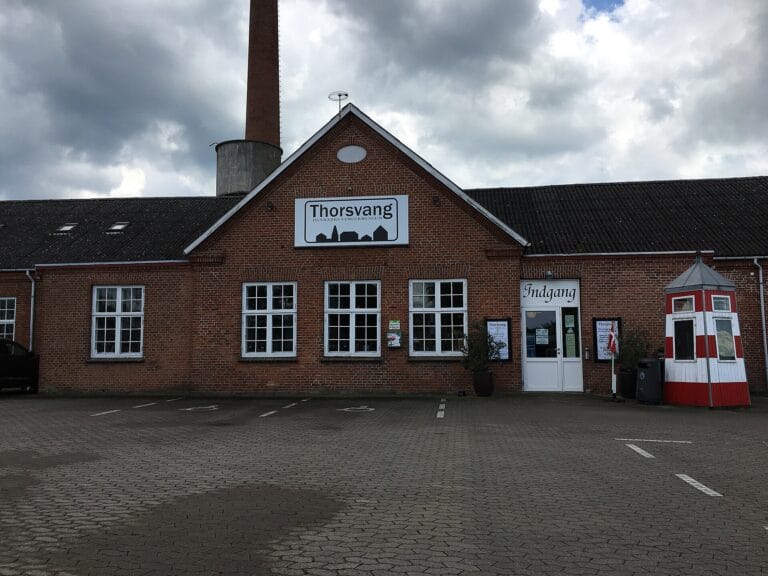
Approaching the Hellenic Motor Museum in Athens, visitors find it housed in a distinct, purpose-built structure near the city’s center. The building’s contemporary style contrasts with the classical and Byzantine architectural landmarks Athens is known for. This juxtaposition immediately signals a focus on modern history and industrial design.
The façade, composed largely of glass and steel, suggests transparency and openness—qualities apt for a museum dedicated to technological artifacts. The entrance area typically features signage that introduces the museum’s identity as a center dedicated to cars and motor culture, though without overwhelming graphics or overly flashy branding. This sets an expectation for a collection that is serious about its subject without resorting to gimmicks.
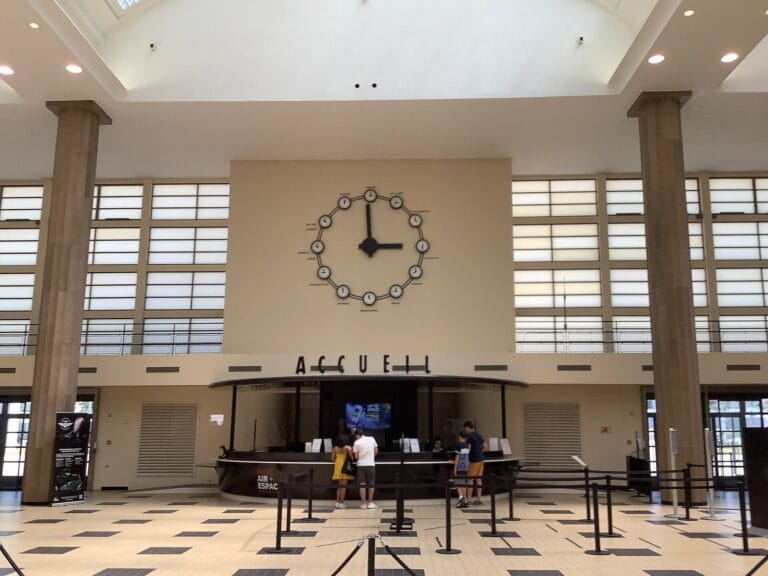
Inside, visitors can anticipate a layout organized by themes related to automotive history and technology. The design of the museum spaces aims to accommodate the scale of vehicles while also integrating display cases, photographs, and period memorabilia. The impression one might get from looking at published images and floor plans is of a clean, orderly environment that balances vehicle displays with contextual interpretive material.
Overall, the initial framing of the museum experience aligns with the specialized nature of the Hellenic Motor Museum as a place for enthusiasts, historians, and those curious about automobiles as cultural objects.
Highlights and Key Exhibitions
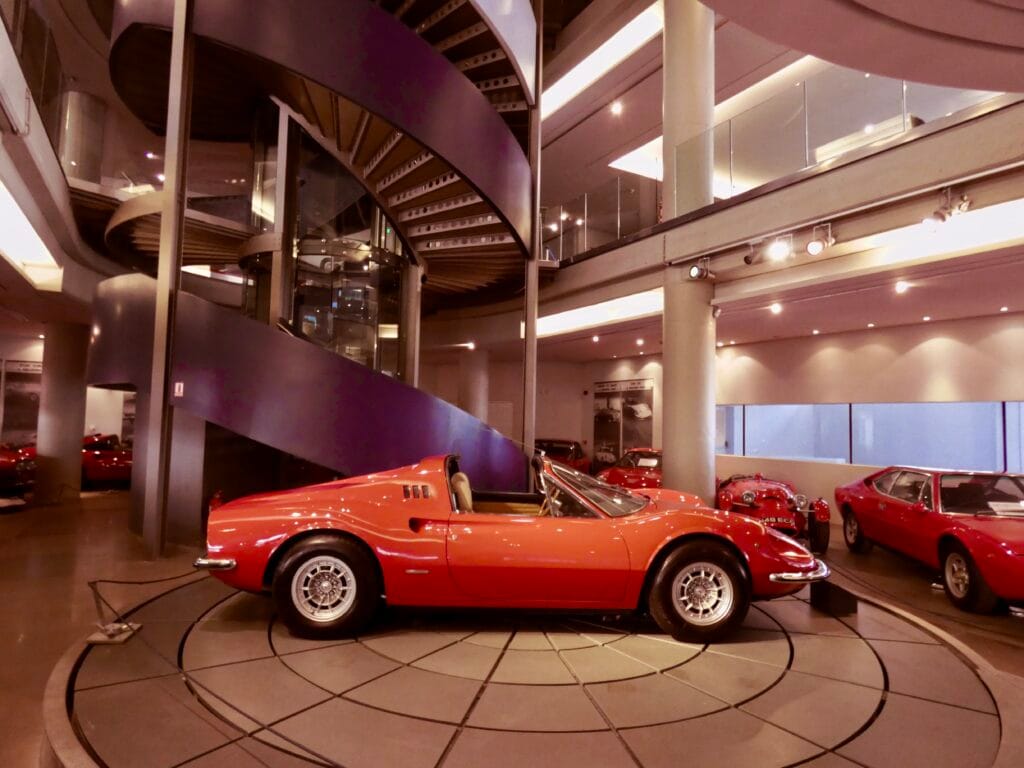
The core of the Hellenic Motor Museum’s appeal lies in its permanent collection of cars spanning a broad timeline, offering a tangible overview of automotive evolution from the early 20th century to more recent decades. The collection includes significant European makes, reflecting both international trends and vehicles familiar to Greek drivers over the decades.
Among the notable categories are early models that demonstrate the mechanical basics and design experimentation of the pre-war era. These vehicles provide insight into the origins of motorized transport in Europe and how they influenced Greek automotive development. Visitors interested in engineering history will find value in seeing original chassis components, exposed engines, and early instrumentation, which illustrate technological advances as well as design limitations of those periods.
A particularly strong aspect of the museum is its focus on post-war cars. The collection showcases the rapid changes of the 1950s and 1960s, when automotive design embraced new materials, styling trends, and faster, more reliable engines. This period also corresponds to Greece’s own modernization efforts, especially in urban centers like Athens, allowing visitors to connect historical vehicles with broader social changes in mobility and lifestyle.
The museum also includes a selection of more recent vehicles that highlight innovations in safety, comfort, and efficiency. Hybrid and electric technology to the extent represented offers visitors a chance to consider current automotive trends within a historical framework.
Beyond the vehicles themselves, the museum supplements the displays with automotive-related art, advertising materials, tools, and paraphernalia. This inclusion helps paint a fuller picture of motor culture—how cars were marketed, maintained, and perceived socially.
Overall, the collection balances vehicles of technical interest with those that have cultural and aesthetic significance. It covers a chronological arc without being exhaustive, making it suitable for visitors who want a coherent narrative rather than a technical compendium.
Visitor Experience
The museum experience at the Hellenic Motor Museum is likely to appeal most to visitors with at least a mild interest in automobiles, design, or 20th-century industrial history. For the general audience, including families, the sheer size and visual appeal of the cars provide an engaging entry point. For enthusiasts, the collection’s thoughtful organization, detailed labeling, and supplementary material align well with a desire for both visual enjoyment and factual information.
Interpretive content tends to focus on chronological development, key technical advances, and the social meaning of mobility. However, some may find the depth of contextualization limited if seeking in-depth histories of the automotive industry or critical perspectives on environmental and economic impacts. The museum’s intent appears to prioritize celebration and preservation over critical analysis.
Pacing in the exhibition spaces reminds one of a gallery with large objects: movement typically follows a circuit that allows viewing from several angles, with occasional interactions or multimedia aids. How effectively these aid comprehension may vary depending on updates to displays and interpretive technologies. Visitors should expect a primarily self-guided experience, which suits those who enjoy immersive visual learning but may be less ideal for those who prefer structured tours or extensive narrative audio guides.
For families with children, the museum’s visual appeal is a strength, though it is less tailored to young audiences with interactive, hands-on exhibits or storytelling suited to younger learners. The upscale environment and focus on preservation rather than play means younger visitors may require adult engagement to appreciate the displays.
Given the museum’s location in Athens, visitors can combine a visit with other cultural activities in the city. The museum’s niche appeal means it works best as part of a wider itinerary rather than as a standalone destination for a broad audience.
Tickets, Access, and Planning
As with many museums in Athens, practical details such as admission fees, opening hours, and visitor facilities can vary seasonally or according to special conditions. Specifics about ticket pricing, concessions, guided tours, or availability of audio guides for the Hellenic Motor Museum should be confirmed by consulting the museum’s official website or contacting museum staff directly.
Access for visitors will depend on the museum’s location relative to public transportation options in Athens, which are generally good but may require planning. Information about facilities for visitors with mobility challenges should also be verified before planning a visit if accessibility is a concern.
Given the specialized nature of the museum, it may be less crowded than larger institutions, but potential visitors should check for any restricted opening days or temporary closures. Advance booking policies, if applicable, are best confirmed through official channels.
Final Verdict
The Hellenic Motor Museum is a focused institution that offers a clear and well-organized introduction to automotive history with a particular attention to vehicles relevant to Greek motoring culture. Its collection is strong enough to satisfy enthusiasts and visitors keen to understand the development of cars as technical and cultural objects over the 20th century.
The museum’s appeal is enhanced by the quality of the vehicles on display and the inclusion of complementary artifacts that help explain the wider automotive environment. However, its interpretive scope remains somewhat traditional and celebratory rather than critical or deeply analytical. Visitors should approach it as a well-curated showroom and curated historical overview rather than a comprehensive or interactive research facility.
In terms of visitor experience, it suits those willing to self-navigate with reliance on signage and occasional multimedia. Families with older children interested in machines will find it rewarding, but it may fall short for those seeking highly interactive or child-friendly programming.
Practical considerations about tickets, access, and visitor services are best addressed through official sources prior to scheduling a visit. For those looking to diversify an itinerary in Athens beyond the classical and archaeological, the Hellenic Motor Museum represents a coherent and neatly contained exploration of 20th-century industrial and design history through the prism of the automobile.
In summary, while not a large or widely known museum outside Greece, the Hellenic Motor Museum holds value for a specific audience and offers a worthwhile glimpse into an aspect of modern Greek cultural and technological history that is often overlooked in the city’s dominant narrative of antiquity.