Saab Car Museum
Automobile Museums · Trollhättan, Sweden. The Saab Car Museum in Trollhättan, Sweden, is an automotive museum dedicated to the history and development of Saab automobiles. Situated in a city closely linked to the brand’s industrial heritage, the museum offers…
Best forTransport history, engineering, families
Setting / nearbyTrollhättan, Sweden
Overview
The Saab Car Museum in Trollhättan, Sweden, is an automotive museum dedicated to the history and development of Saab automobiles. Situated in a city closely linked to the brand’s industrial heritage, the museum offers insight into a significant chapter of Swedish engineering and design. Saab cars have earned a distinct place in automotive history, known for their aerodynamic shapes, innovative safety features, and unique design philosophy. This museum focuses on illustrating that legacy through a curated collection that spans decades of Saab’s production and innovation.
Unlike general automotive museums that may cover multiple brands or international car histories, the Saab Car Museum is specialized. It provides a detailed narrative centered on the Swedish company’s models, prototypes, and design evolution. For those interested in automotive history, especially Saab’s role in mid- to late-20th-century car manufacturing, this museum is a focused destination. It also touches on the broader context of Trollhättan’s industrial environment, which has long been a site for mechanical innovation and production.
Collection Highlights
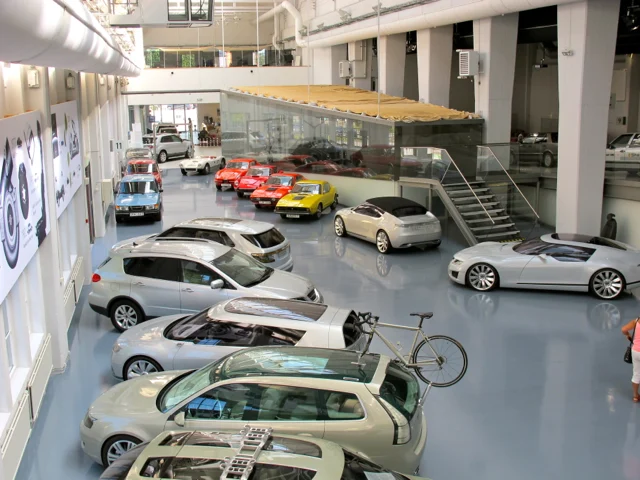
Visitors to the Saab Car Museum can expect to see a range of vehicles covering much of Saab’s production history. The collection includes early prototypes, production models, and concept cars that reflect different periods of Saab’s design and engineering philosophy. Given Saab’s background in aeronautical engineering, several vehicles demonstrate influences from aircraft design, particularly in the use of streamlined forms and attention to cockpit ergonomics.
Among the highlights are early Saab models from the 1940s and 1950s, when the company shifted from aircraft manufacturing to automobiles. These first-generation cars reveal an interesting blend of technical innovation and postwar industrial capabilities in Sweden. Moving through the decades, the museum displays more widely recognized models such as the Saab 92, 96, and later classic models like the Saab 99 and the 900 series. These vehicles represent Saab’s expansion and increasing influence in the automotive market, highlighting technological developments such as turbocharging and safety features that Saab helped pioneer.
The museum also contains some rarer or experimental vehicles, including cars that never reached full production as well as racing models. These pieces provide important context for understanding the challenges and ambitions within Saab’s automotive design process. Some displays focus on specific innovations, from safety belts and front-wheel drive to advanced instrumentation, which have held importance not only for Saab but also for the automotive industry at large.
The exhibits are completed by ancillary material such as original advertising, design sketches, and promotional films, which help place the cars in their social and cultural contexts. This gives visitors a sense of how Saab positioned itself in the market and how the brand identity evolved over time.
Building and Setting
The Saab Car Museum is located in Trollhättan, a city with a long connection to manufacturing and mechanical engineering. Trollhättan’s industrial history complements the museum’s focus, anchoring it in the city’s identity as a center for innovation. The building housing the museum is known for its functional layout suited to automotive displays, allowing visitors to view cars from multiple angles and to understand design details and mechanical components.
The museum interior is arranged to support a chronological or thematic progression through Saab’s history. This careful curation aids in grasping the evolution of the brand and its models. The space is generally bright and open, and thoughtfully designed to accommodate both detailed examination of vehicles and broader storytelling about the company and its products.
Outside, the museum’s location within Trollhättan makes it accessible to visitors interested in automotive history as well as those exploring the city’s other industrial sites and cultural attractions. Although the immediate surroundings are industrial or commercial in nature, the museum itself offers a clear and focused experience without distractions. The setting underlines the practical origins and manufacturing roots of the cars on display, reinforcing the link between design, engineering, and production.
Practical Information
Visitors considering a trip to the Saab Car Museum should consult the museum’s official website for the most current details before planning their visit. The site typically provides updates on opening hours, ticketing, and any special exhibitions or events that may be taking place. Because of the museum’s specialized nature, it may have fluctuating seasonal schedules or closure periods, so checking in advance is particularly important.
What is available on site beyond the exhibitions, such as guided tours, audio guides, or educational programs, should also be verified beforehand. These offerings can add significant value to a visit, especially for those less familiar with automotive history or seeking a deeper understanding of Saab’s heritage.
It should be noted that the museum’s setting and display style reflect its industrial focus rather than a broad entertainment approach. Visitors looking primarily for interactive or high-tech digital exhibits might find the experience more traditional and object-centered. This can be a matter of personal preference but is useful for setting expectations.
Parking, accessibility for visitors with mobility challenges, café facilities, and souvenir options are also practical considerations to check ahead of time to ensure a smooth visit. Given the museum’s location in a working industrial city, transportation options may include local public transit or driving.
Why Visit
The Saab Car Museum offers an in-depth look at a distinctive Swedish automotive brand with a legacy of innovation and design originality. For automobile enthusiasts, the museum provides a concentrated and detailed collection of Saab vehicles alongside contextual materials that illuminate the company’s development from its aircraft origins to a notable car manufacturer.
It suits visitors who appreciate mechanical and design history and who have an interest in the ways industry and technology intersect with cultural identity. The museum does not attempt to accommodate general interest audiences with broad interactive exhibits but focuses on presenting cars and company history in a clear, well-curated format.
The depth of the collection, including rare prototypes and concept vehicles, helps to fill gaps often left by larger, less specialized automotive museums. Saab’s commitment to safety and engineering innovation is well represented, offering insight into changes in automotive technology over much of the 20th century.
On the other hand, those expecting extensive multimedia presentations or a highly commercialized visitor experience might find the museum more straightforward. The Saab Car Museum prioritizes authenticity and a documentary approach, showing the physical objects and archival materials rather than staging overly theatrical displays.
In short, the museum holds significant appeal for those with an existing or growing interest in Saab and automotive history. It highlights an important part of Swedish industrial heritage and provides valuable perspectives on mid-century design and engineering. If you are planning to explore Sweden’s industrial culture or have a particular interest in car manufacturing, the Saab Car Museum represents a focused and informative destination.
Before visiting, checking the official Saab Car Museum website is essential to ensure an up-to-date understanding of visiting conditions, programming, and services. This preparation will help match expectations to the museum’s specific expertise and the nature of its presentation.