Autoworld Brussels Review
Automobile Museums · Brussels, Belgium. Autoworld Brussels stands as a significant institution dedicated to preserving and celebrating the rich heritage of the automobile. Located in the Belgian capital, the museum finds itself at the intersection of industrial progress and…
Automobile Museums · Brussels, Belgium. Autoworld Brussels stands as a significant institution dedicated to preserving and celebrating the rich heritage of the automobile. Located in the Belgian capital, the museum finds itself at the intersection of industrial progress and…
Best forScience, technology, hands-on learning
Review focusVehicle collections, design history, and visitor planning
Historical Context
Autoworld Brussels stands as a significant institution dedicated to preserving and celebrating the rich heritage of the automobile. Located in the Belgian capital, the museum finds itself at the intersection of industrial progress and cultural history. The automotive industry played a pivotal role in shaping the 20th century, and Belgium’s contribution to this global narrative is notably represented here. Autoworld Brussels offers a comprehensive overview of the evolution of the automobile, tracing its origins from the earliest horseless carriages through to classic and modern vehicles. The museum’s collection reflects both Belgian automotive achievements and international developments, providing visitors with contextual insight into how innovations in design, engineering, and technology mirrored broader social changes. As Brussels continues to evolve as a European hub, Autoworld remains a vital space that connects the past’s mechanical marvels with today’s enthusiasm for motoring culture.
What You See on Arrival
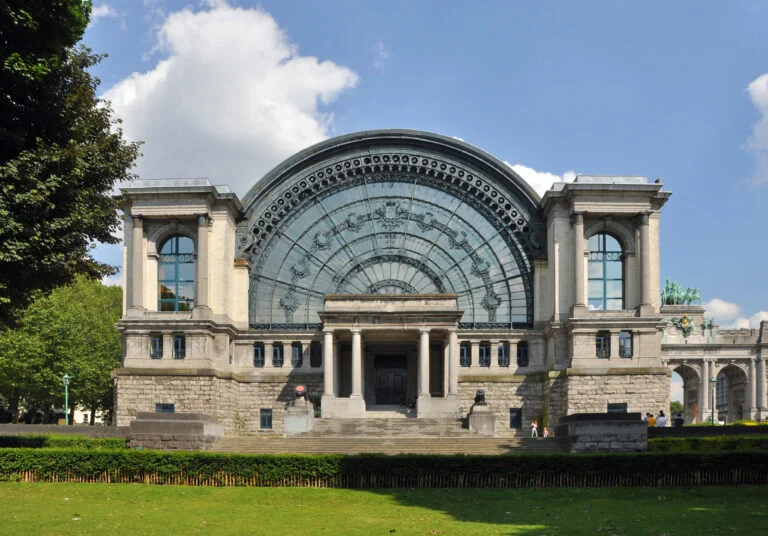
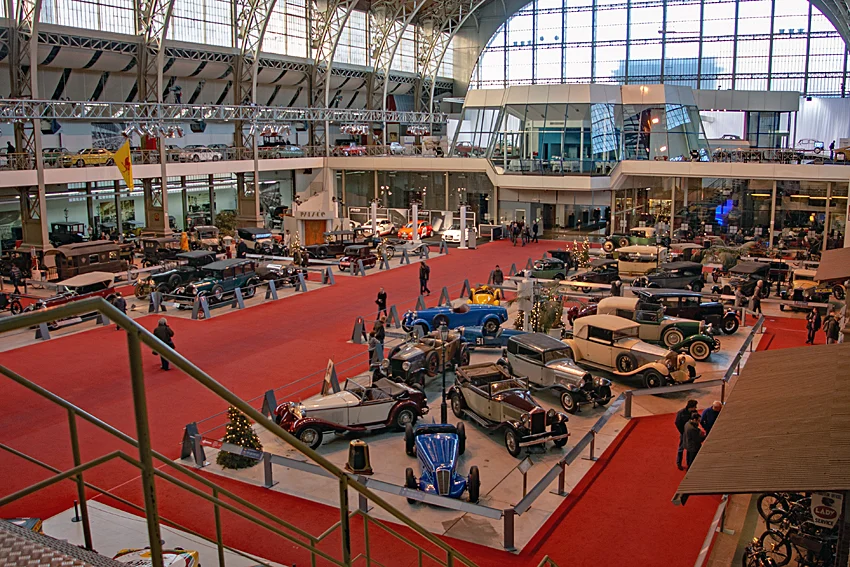
Upon entering Autoworld Brussels, visitors are immediately struck by the ambiance of a grand vintage motor showroom melded with a museum’s intellectual rigor. The building, part of the historic Parc du Cinquantenaire complex, lends a stately and elegant backdrop to the display of vehicles. Guests are greeted by an array of automobiles arranged chronologically and thematically, ensuring a smooth narrative flow through the history of the car. The entrance hall often features inviting introductions to the museum’s layout and sometimes a selection of particularly iconic specimens to captivate immediate interest. The use of natural light from the large glass roof frames the vehicles beautifully, enhancing the visual appeal without detracting from their meticulous presentation. This initial impression prepares visitors for a detailed journey through automotive development, with path markers and signs that guide one seamlessly from one exhibition zone to another.
Highlights and Key Exhibitions
Autoworld Brussels holds a remarkably diverse and extensive collection of over 250 vehicles, each carefully chosen to represent various epochs and technological milestones. Among the most notable highlights is the extensive array of classic Belgian car brands, including Minerva and FN Herstal, illustrating the country’s early and influential role in automotive innovation. French and German automotive icons also feature prominently, with elegant luxury models and pioneering sports cars representing a broad European perspective. The museum’s vintage collection includes vehicles dating back to the late 19th century, showcasing some of the earliest experimental machines that predate mass production. These are contrasted effectively by a range of automobiles from the post-war era, which reflect changes in design philosophy and consumer culture.
Special exhibition zones are dedicated to themes such as racing heritage, where visitors can appreciate the technological advancements that motorsport spurred throughout the decades. Here, historic Formula One cars and rally vehicles capture the excitement and engineering prowess behind competitive driving. Another captivating section is devoted to the craftsmanship behind automobile manufacturing, drawing attention to design evolution, coachbuilding artistry, and engineering ingenuity.
In addition to the vehicles, the museum also presents a selection of automotive memorabilia including vintage posters, photographs, and spare parts, offering a richer understanding of cars as cultural objects and consumer icons. This holistic approach deepens the visitor’s connection to the content, turning the museum visit into a multi-dimensional experience rather than a simple display of machinery.
Visitor Experience
The visitor experience at Autoworld Brussels is carefully curated to be both educational and engaging. The spatial design within the large exhibition hall allows for comfortable movement and detailed inspection of each vehicle without overcrowding. Labeling and interpretative panels provide informative descriptions, historical context, and technical specifications, balancing the needs of enthusiasts and general visitors alike. Audio guide options and multilingual signage ensure broad accessibility for international visitors, which is essential given Brussels’ cosmopolitan character.
For families and younger audiences, the museum incorporates interactive elements and occasional educational workshops, though these are more supplementary than central to the museum’s appeal. The atmosphere overall is contemplative, encouraging visitors to take their time appreciating the beauty and technology of each car. The museum staff is generally noted for being knowledgeable and approachable, ready to offer assistance or deeper insights upon inquiry. Photographic opportunities are ample, with most vehicles accessible for viewing from multiple angles.
Visitor amenities include a comfortable café space for refreshments and rest, as well as a well-stocked gift shop where visitors can purchase automotive-themed books, models, and souvenirs. The museum’s layout is sufficiently logical to allow varied visit lengths; a quick overview or a detailed half-day exploration are both feasible options depending on visitor interests.
Tickets, Access, and Planning
Autoworld Brussels is well integrated into Brussels’ public transportation network, making it easily accessible for tourists and locals alike. The museum is situated in the Parc du Cinquantenaire, which itself is a notable attraction, enabling visitors to combine a cultural outing with leisure in the surrounding gardens and parklands. For those using private vehicles, parking facilities are conveniently nearby, though not extensive.
Ticket pricing is reasonable and offers good value considering the size and quality of the collection. Reduced rates are available for students, seniors, and groups, with occasional discounts during certain times of the year. The museum provides clear information online regarding opening hours, ticket options, and special group reservations. Visitors are encouraged to check the official website for the latest details on opening times, as these may vary seasonally.
Autoworld Brussels is largely accessible for people with mobility challenges, with mostly level flooring and ramps ensuring wheelchair access throughout the main exhibition spaces. The museum maintains a commitment to inclusivity, though some older vehicles and confined display cases naturally present physical proximity restrictions.
Planning a visit benefits from allocating several hours to allow ample time for exploring the extensive and varied displays. While guided tours can enhance the experience, the museum is also well suited to independent exploration thanks to well-designed signage and informative materials. Those particularly interested in automotive history might consider supplementing their visit with related attractions around Brussels to create a fuller cultural itinerary.
Final Verdict
Autoworld Brussels emerges as an indispensable destination for anyone with an interest in automotive history, design, or culture. Its well-curated collection masterfully balances technical detail with historical storytelling, creating an immersive journey that appeals to both dedicated motor enthusiasts and casual visitors. The museum’s strength lies in the breadth and depth of its exhibits, representing a uniquely Belgian perspective within a wider European context.
Though the focus remains largely on classic and vintage automobiles, the museum’s presentation ensures these vehicles don’t feel like relics but rather symbols of innovation and societal change. The careful layout and clear informational support contribute to an accessible and enriching visit. While it may lack some of the high-tech interactive features seen in newer institutions, its charm and scholarly approach provide a rewarding experience that encourages reflection on the automobile’s impact over more than a century.
For visitors to Brussels, Autoworld offers a compelling cultural excursion that complements the city’s other historical and artistic landmarks. Whether drawn by fascination with automotive design, engineering, or broader social history, the museum promises a thorough and thoughtful exploration. Its blend of historical authenticity, architectural setting, and curated collections firmly establish Autoworld Brussels as a highlight in Belgium’s museum landscape.