National History Museum Tirana Review
History Museums · Tirana, Albania. The National History Museum in Tirana stands as Albania’s principal institution dedicated to preserving and presenting the country’s extensive historical narrative. Established in 1981, the museum’s mission is to explore and exhibit Albania’s r…
History Museums · Tirana, Albania. The National History Museum in Tirana stands as Albania’s principal institution dedicated to preserving and presenting the country’s extensive historical narrative. Established in 1981, the museum’s mission is to explore and exhibit Albania’s r…
Best forNatural history, fossils, family learning
Review focusHistorical collections, local context, and visitor planning
Historical Context
The National History Museum in Tirana stands as Albania’s principal institution dedicated to preserving and presenting the country’s extensive historical narrative. Established in 1981, the museum’s mission is to explore and exhibit Albania’s rich cultural and historical heritage, spanning from prehistoric times through the Roman, Byzantine, Ottoman periods, and into the modern era. Located in the heart of Albania’s capital city, the museum reflects the nation’s complex past and diverse influences, serving not only as an educational center but also as a symbol of national identity and pride. Over the decades, it has evolved to incorporate contemporary museological practices while maintaining a comprehensive overview of Albania’s chronological development, making it a significant cultural landmark for both local visitors and international tourists interested in the Balkan region’s history.
What You See on Arrival
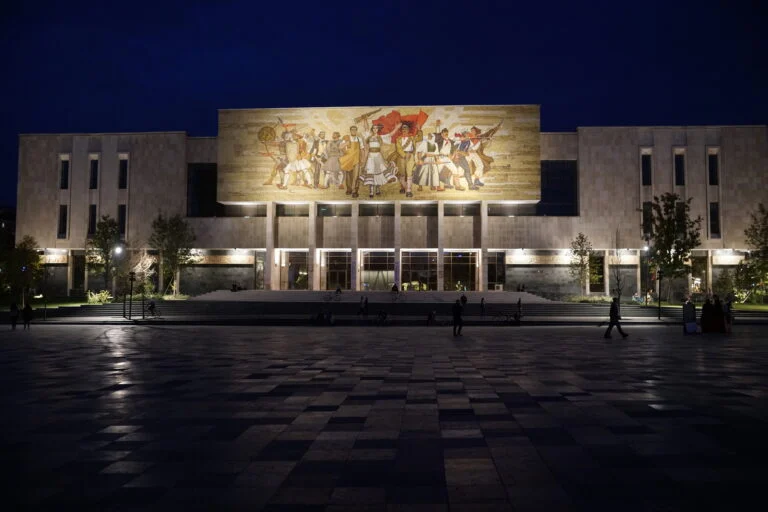
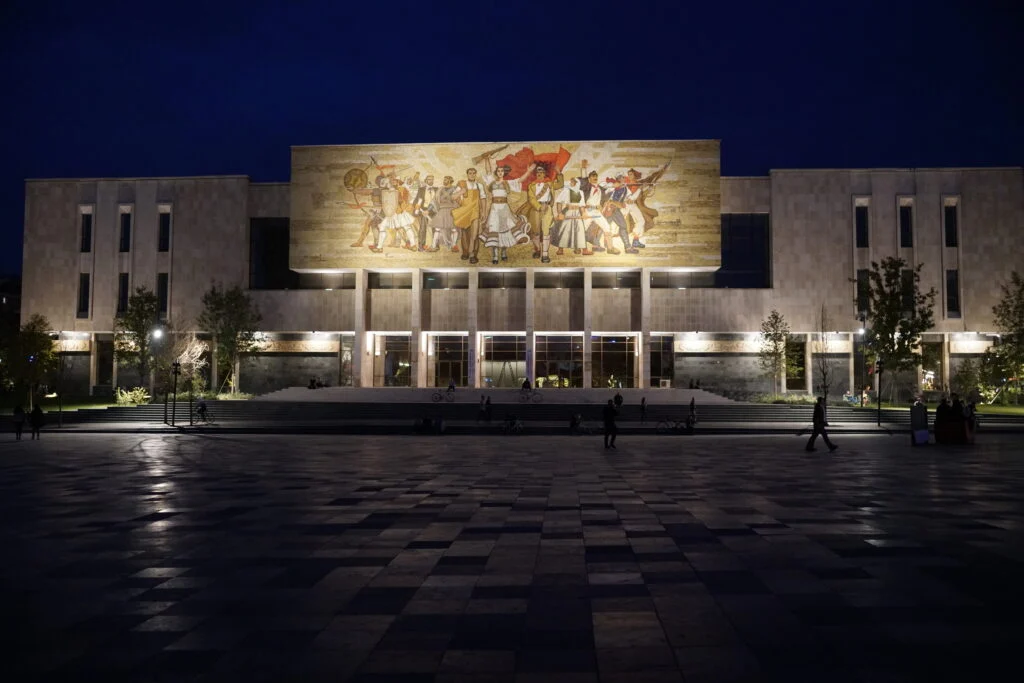
Upon approach, the National History Museum Tirana makes an immediate visual impression with its monumental façade, dominated by a vast mosaic panel that encapsulates key elements of Albanian history and culture. This striking mosaic, widely recognized as one of the largest of its kind in the Balkans, depicts figures symbolizing labor, education, and patriotism, setting a tone of national reflection even before stepping inside. The building itself, blending late 20th-century architectural styles with clear symbolic design, acts as a gateway into the stories housed within. The spacious forecourt offers a broad perspective, with a visitor-friendly layout that guides the eye naturally toward the main entrance. This exterior presentation effectively prepares visitors for an immersive journey through Albania’s multifaceted past and its dynamic cultural heritage.
Highlights and Key Exhibitions
The museum’s extensive collections are presented through a chronological and thematic arrangement, covering a broad sweep of Albanian history. Highlights include archaeological artifacts from prehistoric times, such as tools, ceramics, and sculptures unearthed from various ancient settlements across Albania. These pieces offer a tangible connection to early human activity in the region, showcasing the museum’s commitment to contextualizing Albania within the wider narrative of European prehistory.
Moving forward in time, visitors encounter exhibits relating to the Classical era, featuring Roman mosaics, coins, and inscriptions reflecting Albania’s integration into the Roman Empire. The Byzantine period is well represented, with religious icons, manuscripts, and other ecclesiastical objects illuminating the spiritual and cultural life of the region during centuries of shifting political powers.
The Ottoman era and the National Renaissance period receive particular attention, emphasizing Albania’s struggle for sovereignty and identity formation. Displays include weapons, traditional costumes, photographs, and documents that vividly narrate the fight for independence and social change.
Of particular note is the section dedicated to the 20th century, which deals with Albania’s communist period and post-war developments through a variety of media, including official propaganda materials, everyday items, and multimedia presentations. This balanced portrayal allows for reflection on this complex era without overt politicization.
Throughout the museum, the use of informative panels and bilingual signage (Albanian and English) helps to provide context and accessibility, enabling a wider audience to engage with the material. The curatorial approach seeks to balance scholarly rigor with visitor engagement, ensuring that each exhibit contributes to a cohesive understanding of Albania’s historical evolution.
Visitor Experience
The layout of the National History Museum Tirana is designed to facilitate an orderly progression through time, with clearly defined galleries and thematic sections that minimize confusion for first-time visitors. The presence of seating areas in some of the larger galleries promotes comfortable exploration, while interactive displays in select zones encourage engagement, particularly beneficial for younger visitors and educational groups.
Staff members are generally noted for their helpfulness and readiness to assist, contributing positively to the overall atmosphere. While guided tours are available, the museum also caters to independent visitors through audio guides and detailed exhibit descriptions, allowing for flexibility in the pace and depth of exploration.
The museum’s lighting is carefully managed to highlight artifacts and reduce glare, though some galleries could benefit from improved illumination to enhance the viewing experience further. The signage, while bilingual, might be sparse in certain areas, which can pose a challenge for those relying exclusively on the English language panels.
Photography is permitted in most exhibit areas, adding to the visitor experience by enabling personal documentation and the sharing of cultural knowledge.
Tickets, Access, and Planning
Admission to the National History Museum Tirana is competitively priced, making it accessible to a broad spectrum of visitors. Discounts are typically available for students, seniors, and groups, and special arrangements are made occasionally for residents of Tirana. Tickets can be purchased on-site, and the museum’s official website provides up-to-date information regarding opening hours, ticket prices, and any scheduled closures for maintenance or public holidays.
Accessibility aligns with contemporary standards, featuring ramps and lifts to accommodate visitors with mobility challenges. However, navigation through some older sections could be made more user-friendly with additional support or signage enhancements. Family facilities, such as restrooms and a café area, are available, encouraging longer visits and comfort.
Location-wise, the museum enjoys a central position in Tirana, with convenient access via public transport, and proximity to other cultural institutions and landmarks, allowing visitors to integrate it as part of a broader cultural itinerary easily.
Final Verdict
The National History Museum Tirana represents an essential cultural institution for understanding Albania’s historical trajectory and national identity. Its extensive and diverse collections are presented with scholarly care and accessible interpretation, making it a valuable resource for historians, students, and general visitors alike. While certain practical aspects such as lighting and signage could be enhanced, the overall visitor experience is positive and enriching.
The museum’s iconic mosaic façade and well-organized internal displays provide a compelling visual and educational journey through several millennia of history. It successfully balances national pride with academic objectivity, offering a nuanced perspective on complex historical periods.
For those interested in Balkan history, archaeology, or cultural studies, the National History Museum Tirana is a recommended destination that contributes significantly to the cultural landscape of Albania and provides insightful context to the broader European historical experience.