Locomotion Review
Railway Museums · Shildon, United Kingdom. Locomotion, located in Shildon, United Kingdom, is a museum deeply rooted in the rich heritage of railway history, particularly the pioneering developments that took place in the early 19th century. Shildon itself holds a…
Railway Museums · Shildon, United Kingdom. Locomotion, located in Shildon, United Kingdom, is a museum deeply rooted in the rich heritage of railway history, particularly the pioneering developments that took place in the early 19th century. Shildon itself holds a…
Best forScience, technology, hands-on learning
Review focusRailway collections, locomotives, and visitor planning
Historical Context
Locomotion, located in Shildon, United Kingdom, is a museum deeply rooted in the rich heritage of railway history, particularly the pioneering developments that took place in the early 19th century. Shildon itself holds a pivotal place in railway history as one of the birthplaces of the rail industry, closely associated with the Stockton and Darlington Railway—the world's first public railway to use steam locomotives. The museum commemorates this transformative era when railways began to reshape transport, industry, and society at large. Established by a national trust, the museum pays homage to the engineering marvels, technological advancements, and social impact of railways, providing a broader understanding of the evolution of locomotives and the communities intertwined with their history. This perspective offers visitors insight not only into the machines themselves but also the people and stories that embody the spirit of innovation and industrial progress during Britain’s railway age.
What You See on Arrival
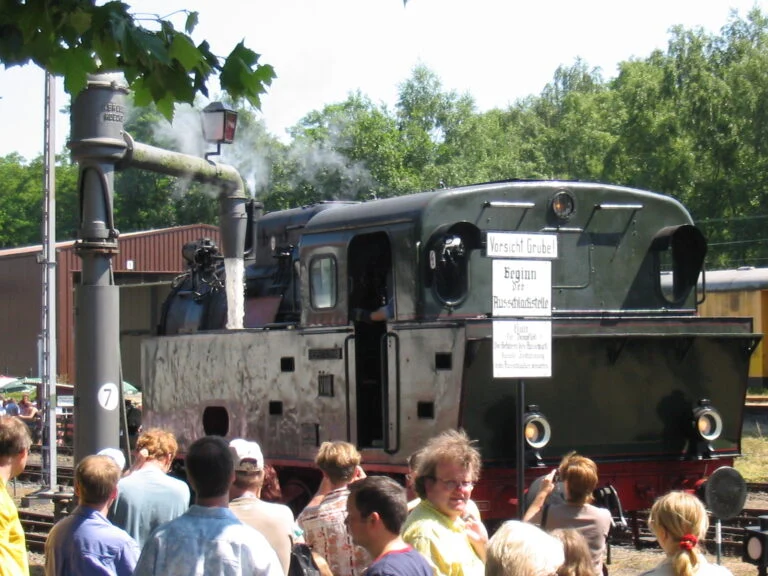
Upon arriving at Locomotion in Shildon, visitors are greeted by a spacious, modern facility set within grounds that evoke the industrial atmosphere of the railway’s golden age. The museum building itself is contemporary in design but thoughtfully integrated with elements that hint at its historic surroundings, such as the preserved trackways and adjacent rail lines. The entrance leads directly to an expansive exhibition hall that allows for easy orientation. Outside, large locomotives and rolling stock are displayed in an open-air setting, giving a tangible sense of scale and engineering prowess before stepping indoors. Signage and friendly staff provide clear directions, facilitating an effortless start to the visit. The layout is designed to guide visitors through a chronological narrative, starting from the earliest steam engines to more advanced models, setting the tone for the historical journey ahead.
Highlights and Key Exhibitions
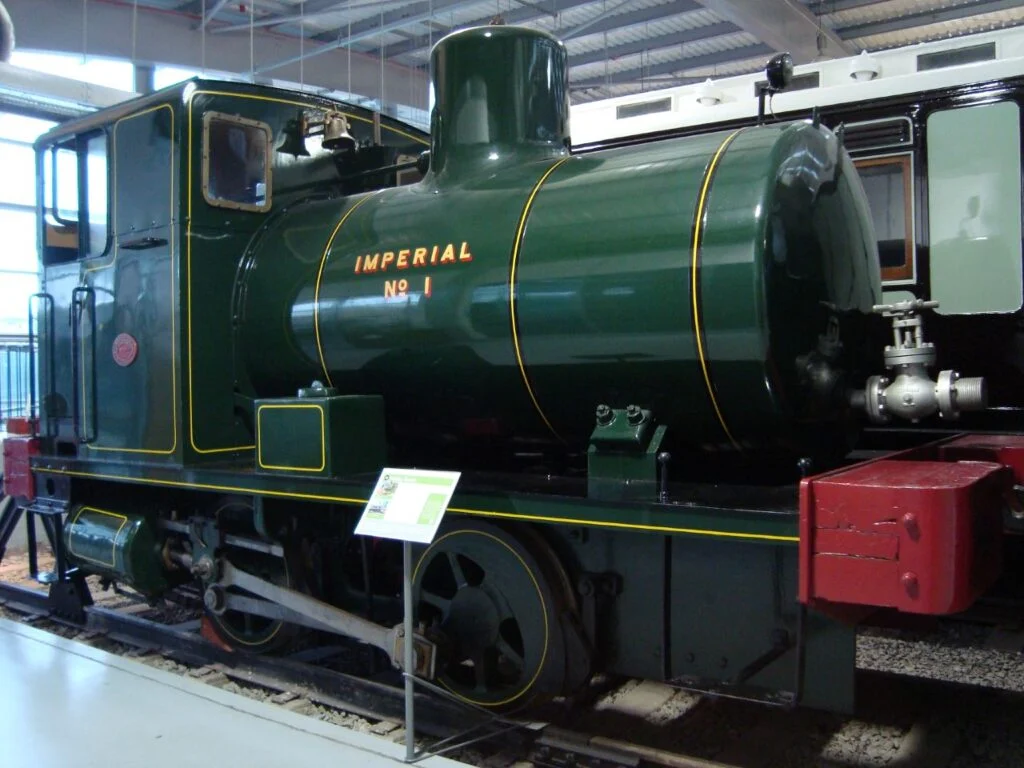
A standout feature of Locomotion is its impressive collection of locomotives and railway artifacts, many displayed as centerpieces that capture critical junctures in railway evolution. Among the prominent exhibits are full-size replicas and original engines that illustrate the remarkable technological advancements from the early 19th century onward. Exhibits focus on notable innovations such as the pioneering steam locomotive designs that propelled the Stockton and Darlington Railway and subsequent developments that spread worldwide.
The museum excels in balancing technical detail with accessibility, making the history of locomotive engineering intriguing for enthusiasts without overwhelming casual visitors. Interpretive panels and multimedia presentations provide rich context, including the sociocultural impact of railways on communities, commerce, and industry. Interactive displays explore themes such as railway safety, signalling, and the lives of workers, adding layers of narrative depth.
A particularly engaging aspect is the dedicated section on the social history of railways, which highlights personal stories of those who built, operated, and maintained the lines. The museum also showcases the global influence of British railway engineering, illustrating how innovations born in Shildon resonated far beyond the UK.
Visitor Experience
Locomotion offers a visitor experience that manages to be both educational and enjoyable across age groups. The museum’s layout encourages a natural flow through different thematic zones, reducing any sense of overcrowding even during peak times. The exhibition design utilizes a variety of media formats—from archival photographs and documents to touchscreens and scale models—that cater to diverse learning preferences.
For families and younger visitors, there are dedicated activity areas, although these are more understated compared to larger city museums. Workshops and guided tours are periodically available, enhancing engagement for those seeking deeper insight. The presence of knowledgeable staff contributes to an informative environment, with one-on-one interaction encouraged without feeling intrusive.
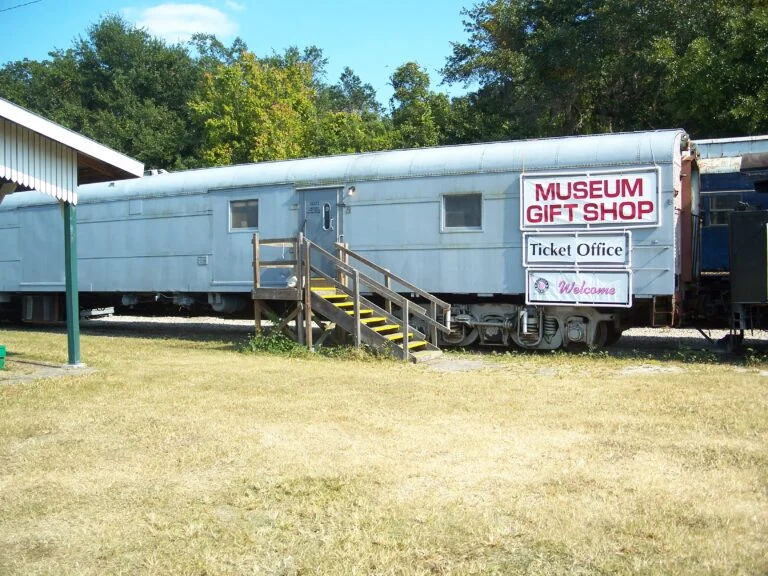
On-site amenities such as a café and gift shop provide convenient stops for refreshment and memorabilia that complement the visit. The museum’s setting near historical railway infrastructure also presents opportunities for longer exploratory outings, particularly appealing to rail enthusiasts and history buffs.
Tickets, Access, and Planning
Locomotion operates a straightforward ticketing system designed to accommodate different visitor needs. Online booking is recommended, especially during weekends and school holidays, to secure entry without waiting. Concessions are available for seniors, students, and families, making the museum relatively affordable. Group bookings and educational visits are welcomed, with additional resources and support available for schools.
Accessibility is well-considered throughout the venue. The museum ensures wheelchair access to all major exhibition areas, and pathways are smooth and level. Clear signage aids navigation for visitors with sensory impairments, and assistance can be requested from staff. Car parking is adequate and free, with frequent public transport links connecting Shildon to nearby urban centers.
Advance planning is advised to make the most of the visit, as the museum provides detailed guides and suggested itineraries on its official website. Facilities and opening hours are clearly stated, allowing visitors to coordinate their trip in accordance with their interests and schedules.
Final Verdict
Locomotion in Shildon presents a compelling powerhouse of railway heritage that successfully bridges the gap between technical railway history and broader cultural narratives. Its strong historical foundation and carefully curated exhibitions make it a significant destination for those passionate about locomotives, industrial history, and societal change driven by technological progress. The museum strikes a commendable balance between depth and accessibility, ensuring that the story of railways is conveyed with clarity and respect for diverse visitor backgrounds.
While the museum is not designed as a bustling interactive theme park, its measured approach to engagement fosters meaningful learning experiences without overwhelming visitors. Complemented by supportive visitor services and a thoughtful presentation, Locomotion stands out as a model for preserving and celebrating railway history within its authentic regional context. For those interested in the origins and impact of one of the United Kingdom’s most influential industries, Locomotion offers an enriching and memorable journey through the age of steam and beyond.