Museum of Anthropology at UBC Review
Cultural Heritage Museums · Vancouver, Canada. The Museum of Anthropology at the University of British Columbia, located in Vancouver, Canada, stands as a beacon of cultural preservation and education. Established in the mid-20th century, the museum emerged from UBC’s commitment…
Cultural Heritage Museums · Vancouver, Canada. The Museum of Anthropology at the University of British Columbia, located in Vancouver, Canada, stands as a beacon of cultural preservation and education. Established in the mid-20th century, the museum emerged from UBC’s commitment…
Best forScience, technology, hands-on learning
Review focusExhibits, interpretation, visitor flow
Historical Context
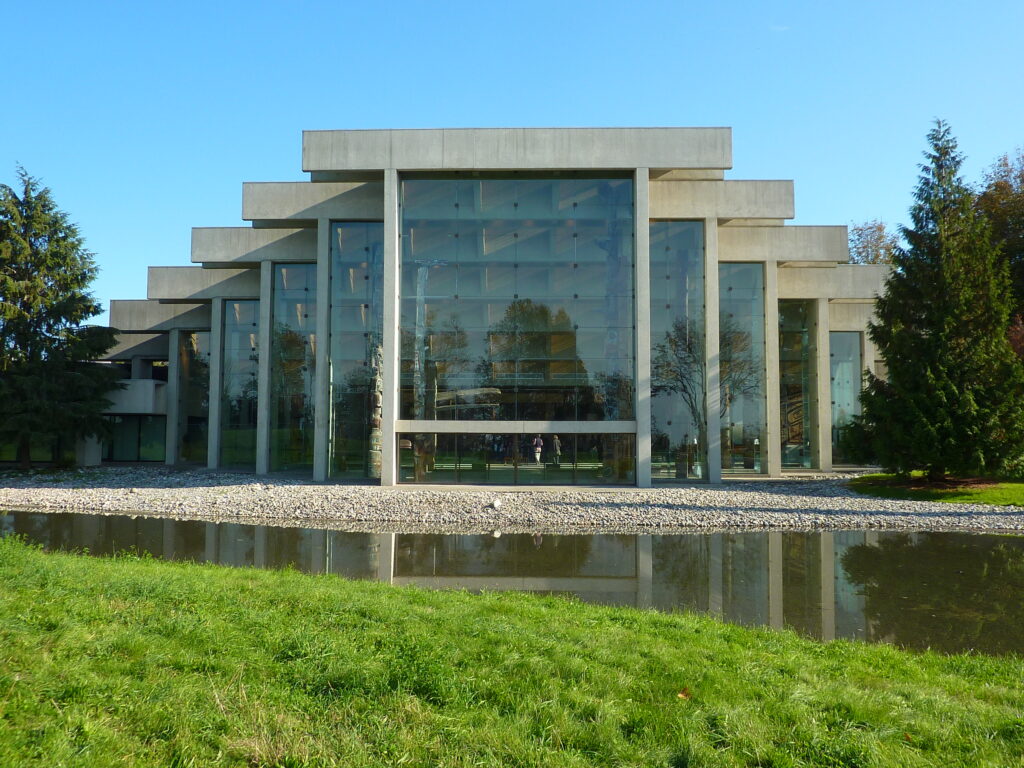
The Museum of Anthropology at the University of British Columbia, located in Vancouver, Canada, stands as a beacon of cultural preservation and education. Established in the mid-20th century, the museum emerged from UBC’s commitment to fostering understanding of the diverse indigenous cultures of the Pacific Northwest and beyond. It serves as a crucial institution dedicated to the collection, research, and display of anthropological artifacts primarily connected to the First Nations of British Columbia, but it also houses significant international collections. The museum’s architecture, designed by renowned architect Arthur Erickson, holds symbolic significance, incorporating elements reflective of Northwest Coast Indigenous design traditions. This context frames the museum not only as a repository of physical objects but also as a site of cultural dialogue and reconciliation. It operates within an academic setting, balancing its dual role as an educational resource and a public institution committed to respecting and presenting Indigenous worldviews with integrity.
What You See on Arrival
Approaching the Museum of Anthropology, visitors are immediately struck by the striking architectural facade that integrates seamlessly with its forested surroundings. The building’s design, characterized by expansive glass walls and wooden structural elements, creates a welcoming yet awe-inspiring atmosphere. Upon arrival, the first visual encounter often includes the impressive collection of totem poles displayed outdoors. These towering sculptures, carved with intricate designs, stand as towering sentinels paying tribute to Indigenous cultural heritage. The entrance area leads into a spacious lobby, where natural light floods in, setting the tone for an immersive journey through diverse cultures. The surrounding landscape, including reflective pools and cedar groves, complements the museum’s thematic focus on nature and Indigenous connections to land, offering visitors a contemplative space before entering the galleries.
Highlights and Key Exhibitions
The museum’s permanent collection is its core strength, with an unparalleled assembly of Northwest Coast Indigenous art and artifacts. Among the highlights are the elaborately carved masks, woven blankets, and ceremonial objects from various First Nations communities such as the Haida, Kwakwaka’wakw, and Coast Salish peoples. One of the defining features is the grand Great Hall, where visitors can behold some of the largest and most significant totem poles in existence, suspended from the ceiling and arranged to tell ancestral stories visually. The narratives embedded in these poles provide profound insights into Indigenous cosmologies and social structures. Another key exhibition area focuses on the museum’s ethnographic collections from around the world, including objects from Asia, Africa, and the Pacific, underscoring the global scope of anthropological study. Interpretative materials and curatorial selections emphasize storytelling and cultural context, elevating these objects beyond mere artifacts to active conveyors of meaning.
Visitor Experience
The Museum of Anthropology excels in creating an immersive visitor experience that combines visual impact with intellectual engagement. The layout encourages exploration, with thematic zones that guide visitors through interconnected cultural stories. Accessibility of information is a priority, with well-designed interpretive panels and multimedia resources that provide background without overwhelming. Educational programming, including lectures, workshops, and tours, complements the exhibitions, fostering deeper understanding for diverse audiences. The museum also upholds a respectful approach to the display of Indigenous materials, developed in consultation with community members, ensuring authenticity and sensitivity. While the depth of content may be challenging for some casual visitors, this rigor is precisely what defines the museum’s value as a space for serious cultural engagement and learning. Facilities such as seating areas, a gift shop with craft-quality Indigenous art, and a café enhance the overall experience.
Tickets, Access, and Planning
Entry to the Museum of Anthropology involves straightforward ticketing policies, with visitor rates structured to encourage accessibility while supporting the museum’s operations. Discounts are available for students, seniors, and local residents, which aligns with its educational mission. The museum’s website provides up-to-date information and offers online ticket purchases, facilitating planning for both local and international visitors. Accessibility is a further strong point; the building is equipped to accommodate visitors with mobility impairments, and additional services such as guided tours for visually impaired guests are available. Parking options and public transit routes are well documented, ensuring convenient access despite its location near the university campus. Seasonal variations in opening hours are clearly posted, and special considerations for group visits and school programs can be arranged in advance.
Final Verdict
The Museum of Anthropology at UBC is a profound institution that transcends the typical museum experience by fostering a genuine dialogue between cultures through its exceptional collections and respectful curatorial approach. It holds a vital place in Vancouver’s cultural landscape as both an educational beacon and a space of reconciliation with Indigenous communities. The architectural setting enhances the connection to the natural environment and cultural authenticity, while the exhibitions offer depth and breadth uncommon in public museums. Though its scholarly intensity may require focused attention, this is balanced by thoughtful interpretive design and varied programming that welcomes broad public engagement. For anyone interested in Indigenous art, anthropology, or the cultural complexities of the Pacific Northwest and beyond, the museum is an essential visit. It stands not only as a repository of history but as a dynamic partner in preserving and celebrating living cultural traditions.