Museum of Vancouver Review
Local History Museums · Vancouver, Canada. The Museum of Vancouver, situated in the heart of one of Canada’s most dynamic and culturally rich cities, serves as a vital institution for understanding the diverse heritage of Vancouver and its surrounding regions.…
Local History Museums · Vancouver, Canada. The Museum of Vancouver, situated in the heart of one of Canada’s most dynamic and culturally rich cities, serves as a vital institution for understanding the diverse heritage of Vancouver and its surrounding regions.…
Best forMasterpieces, architecture, cultural history
Review focusCollection highlights, building, visitor flow
Historical Context
The Museum of Vancouver, situated in the heart of one of Canada’s most dynamic and culturally rich cities, serves as a vital institution for understanding the diverse heritage of Vancouver and its surrounding regions. Founded in 1894 initially as part of a natural history society, it evolved through various iterations before becoming the city’s foremost museum dedicated to Vancouver’s local history. The institution holds a critical role in preserving, interpreting, and presenting the many layers of Vancouver’s past, from Indigenous cultures and early settlement to contemporary urban development. Its collections reflect the multifaceted nature of the city’s identity, weaving together narratives that encompass Indigenous peoples, immigrants, industrial growth, and the arts. Over time, the museum has aligned itself with themes of community engagement and storytelling, embracing changing societal perspectives while maintaining a balance between historical preservation and innovative exhibition practices. This positioning makes it a significant cultural institution within the Pacific Northwest and an important resource for both residents and visitors aiming to comprehend the evolution of Vancouver as a modern metropolis.
What You See on Arrival
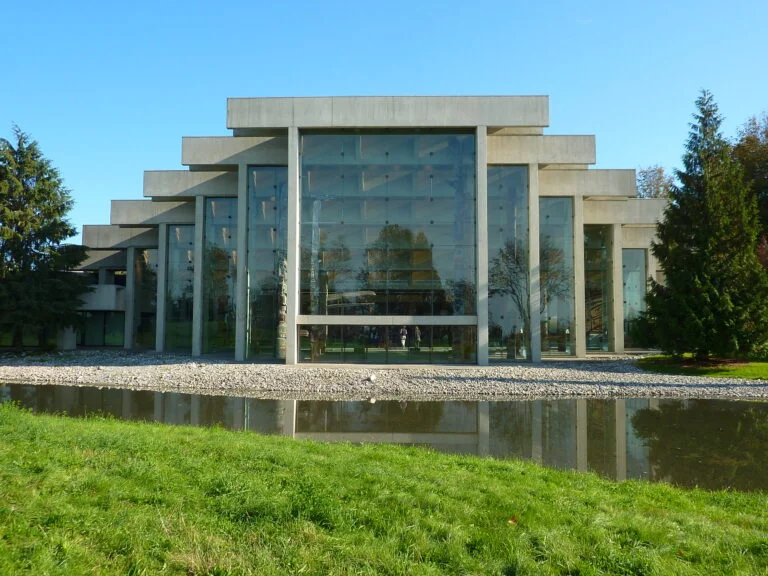
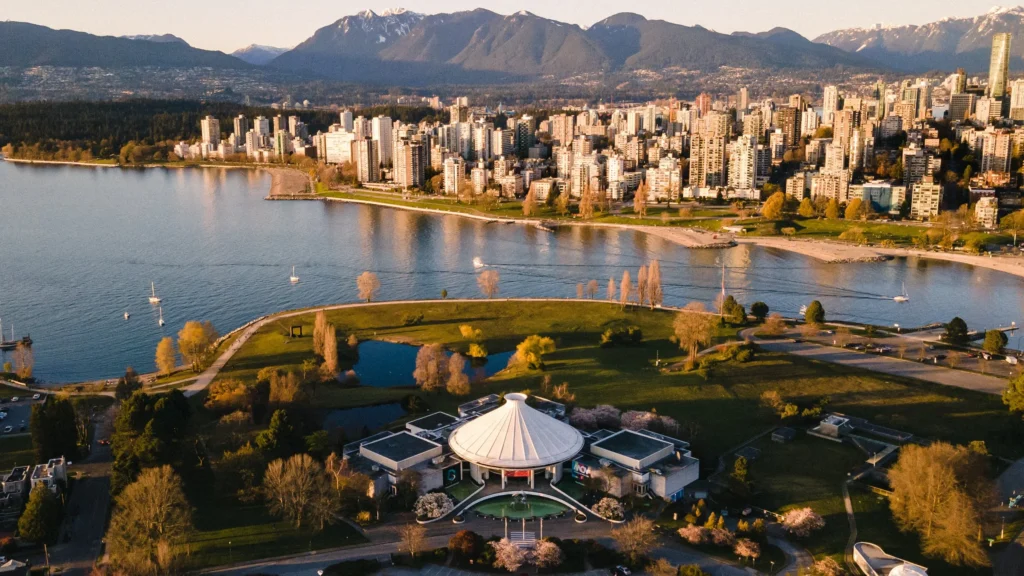
Approaching the Museum of Vancouver, visitors are greeted by an architecturally commanding structure set against the backdrop of Vanier Park and adjacent to the waterfront. The building itself, distinguished by its modernist design with sweeping curves and a certain retro-modern appeal, reflects a mid-20th-century aesthetic that stands as a historical artifact in its own right. Its elevated position allows for panoramic views of the city skyline, the Burrard Inlet, and the North Shore mountains, effectively situating the museum within the geographic and cultural landscape it seeks to interpret. Upon entering, guests find a spacious, well-lit lobby that functions as a gateway to the rich histories contained within. The initial impressions emphasize openness and accessibility, with clear signage directing visitors toward exhibitions, public programs, and amenities. Adjacent outdoor spaces and the proximity to other cultural institutions, including the Vancouver Maritime Museum and the H.R. MacMillan Space Centre, position the Museum of Vancouver as part of a broader cultural hub in the city.
Highlights and Key Exhibitions
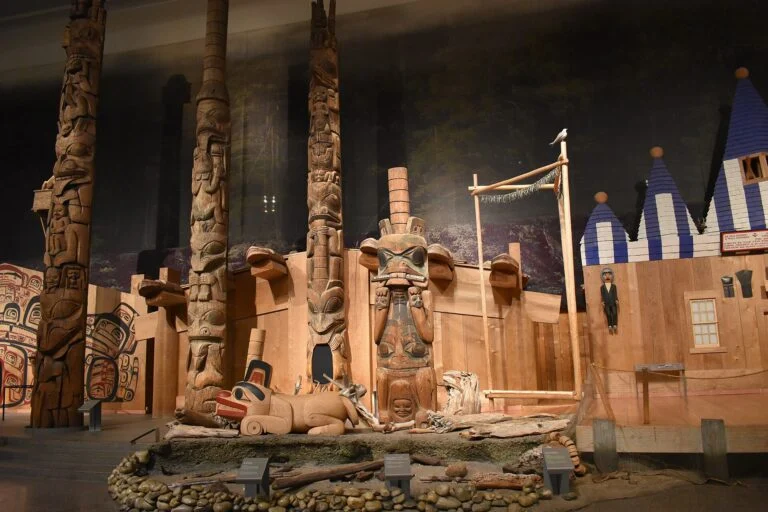
The Museum of Vancouver offers a diverse array of permanent exhibitions that collectively provide a comprehensive overview of the city’s historical and contemporary narratives. One standout gallery explores the Indigenous histories of the Vancouver area, featuring artifacts, multimedia presentations, and interpretive panels that respectfully commemorate the First Nations peoples, their traditions, and their enduring connection to the land. This exhibition highlights the rich cultural heritage and promotes a deeper understanding of Indigenous worldviews, set within the museum’s commitment to reconciliation and education.
Another significant gallery centers on the urban and social evolution of Vancouver itself. It traces the transformation from a small lumber town to a bustling cosmopolitan metropolis, emphasizing themes such as immigration, industrialization, and civic development. This section often utilizes immersive displays and interactive elements to engage diverse audiences, contextualizing historical events alongside personal stories and community experiences.
A highlight is also found in the museum’s collections dedicated to the city’s cultural production, including design, art, and popular culture artifacts. These displays underscore Vancouver’s role as a creative hub and provide insight into local artistic movements, fashion trends, and the city’s reputation for innovation in various cultural domains. The museum’s commitment to rotating thematic presentations ensures that while the core exhibitions remain consistent, the narrative is both dynamic and responsive to contemporary issues and emerging scholarship.
Visitor Experience
The Museum of Vancouver has cultivated a reputation for delivering an accessible and engaging visitor experience, catering well to a broad demographic including families, students, tourists, and local communities. Signage throughout the museum is clear and informative, complemented by concise curatorial explanations that balance scholarly rigor with readability. The use of digital media enhances engagement without overwhelming the visitor, allowing for layered storytelling that can accommodate different levels of prior knowledge.
Interactive elements and hands-on exhibits are thoughtfully integrated, promoting active engagement particularly among younger visitors and those seeking a tactile connection with history. Staff members and volunteers are reportedly knowledgeable and approachable, contributing to a welcoming atmosphere. The museum’s commitment to inclusivity is noticeable in the diversity of perspectives represented and the incorporation of multilingual resources that reflect Vancouver’s multicultural makeup.
Facilities such as rest areas, vending machines in the lower lobby, and the museum gift shop add to the comfort and convenience of the visit.
The museum also offers an array of public programs, workshops, and lectures that complement the exhibitions and provide deeper dives into specific topics. These initiatives reinforce the museum’s role as a center for lifelong learning and community dialogue.
Tickets, Access, and Planning
Admission to the Museum of Vancouver is competitively priced, with options for individual entry, families, seniors, and groups. Various passes and memberships are available for residents who wish to engage more fully with the museum’s offerings throughout the year. It is advisable to check the museum’s official website for current ticket prices and any special ticketing arrangements.
Access considerations are well addressed, with the building equipped to accommodate visitors with mobility challenges. Elevators and ramps ensure that most public areas are accessible, and additional accommodations can be requested in advance. Public transportation options are plentiful, with the museum’s location in Vanier Park making it easy to reach via bus routes and bike paths. Parking is available but can be limited on busy days or during events, so advanced planning is recommended.
The museum’s opening hours are generally consistent, though visitors should consult the official website for any changes or seasonal variations. Planning ahead to include time for visiting adjacent cultural institutions in Vanier Park can enrich the overall cultural experience of the day.
Final Verdict
The Museum of Vancouver stands as a vital cultural institution that successfully balances historical depth with contemporary relevance. It provides a nuanced and inclusive portrayal of the city’s past and present, offering visitors a window into the social, cultural, and urban dynamics that have shaped Vancouver’s identity. Strengths of the museum lie in its thoughtful curation, engaging exhibition design, and commitment to community partnership and education.
While the museum’s permanent displays are robust and well-crafted, occasional enhancements to the physical exhibition spaces could provide a fresher presentation and accommodate increasing technological advancements. Some visitors may find certain sections dense or academically oriented, which could benefit from additional interpretive elements for more casual audiences. Nevertheless, the museum excels at creating an environment that encourages curiosity and dialogue, making it a worthwhile destination for anyone interested in the complexities of a city navigating its history amid rapid change.
In summary, the Museum of Vancouver offers a comprehensive and engaging exploration of the city’s heritage, supporting an enriched understanding of local history within a broader cultural context. It merits serious consideration for inclusion in the itinerary of cultural travelers and urban historians alike, providing both educational enrichment and a source of civic pride to its community.