Gardiner Museum Review
Art Museums · Toronto, Canada. Situated in the heart of Toronto, the Gardiner Museum holds a distinctive position in the world of art and culture, focusing exclusively on ceramics. Established in 1984 and named after philanthropist and collector George…

Art Museums · Toronto, Canada. Situated in the heart of Toronto, the Gardiner Museum holds a distinctive position in the world of art and culture, focusing exclusively on ceramics. Established in 1984 and named after philanthropist and collector George…
Best forMasterpieces, architecture, cultural history
Review focusCollection highlights, building, visitor flow
Historical Context
Situated in the heart of Toronto, the Gardiner Museum holds a distinctive position in the world of art and culture, focusing exclusively on ceramics. Established in 1984 and named after philanthropist and collector George R. Gardiner, the museum was built to house and exhibit the Gardiner Collection—one of Canada's most extensive compilations of ceramic art spanning ancient to contemporary periods. Over the decades, the museum has expanded its mission to not only preserve and showcase historic ceramics but also to promote innovation and creativity within the medium. Its curatorial approach embraces the dual narratives of ceramics as both functional objects and works of fine art, offering visitors an insightful glimpse into cultural histories, artistic techniques, and material innovations. The Gardiner Museum’s dedication to interdisciplinary exploration and engagement has positioned it as a leading institution in its field, attracting a diverse audience of scholars, artists, and visitors interested in the art and science of ceramics.
What You See on Arrival
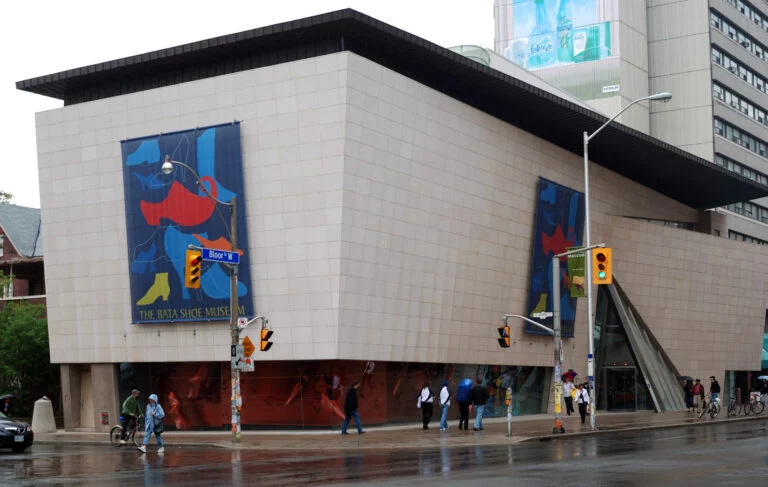
Upon approaching the Gardiner Museum, visitors are greeted by a striking architectural façade that merges modern design with elements reflective of the museum’s artistic focus. The sleek exterior, characterized by clean lines and expansive glass panels, creates a visual dialogue between the contemporary art of ceramics and the urban landscape of downtown Toronto. The entrance area is understated yet inviting, with strategic landscaping that complements the building’s aesthetic and hints at the museum’s dedication to craftsmanship and detail. Close to the main entrance, informational signage provides a concise overview of the museum and its offerings, setting the tone for the visit. Inside, the lobby area exudes a warm and welcoming atmosphere, featuring design choices that underscore the museum’s attention to materiality and texture. The spatial layout immediately suggests an experience that will be both intimate and intellectually enriching. The arrival experience is deliberately designed to prepare visitors for a journey through time and creativity within the ceramic arts.
Highlights and Key Exhibitions
The Gardiner Museum’s collection prioritizes depth and breadth, featuring works that cover a wide chronological range and geographic diversity. Among the permanent displays are pieces dating back to ancient civilizations, such as Greek, Roman, and Chinese ceramics, showcased with thoughtful contextualization. These exhibits delve into the historical significance and technological developments that have shaped ceramic artistry over millennia. The museum also places particular emphasis on contemporary ceramicists, allowing visitors to observe the evolution of the medium through innovative forms and experimental techniques. One of the standout elements of the collection is the variety of styles represented, from delicate porcelain and stoneware to earthenware and terra cotta. This range enriches visitor understanding of how material, function, and cultural context influence artistic expression in ceramics.
Additionally, the Gardiner Museum often complements its core holdings with curated exhibitions that explore specific themes or focus on individual artists, though it refrains from listing temporary exhibitions as a permanent feature. These thematic explorations serve to illuminate ceramics’ relevance to broader artistic movements and societal issues. The museum’s interpretative materials, including detailed labels and multimedia presentations, enhance the educational value of the displays, providing insights that increase appreciation for the technical skill and conceptual depth involved in ceramic art.
Visitor Experience
Visitor experience at the Gardiner Museum is shaped by careful attention to ambiance, accessibility, and educational engagement. The museum’s interior environment is designed to facilitate an intimate viewing experience; galleries are typically modestly sized and arranged to encourage reflective observation of the objects. Lighting is expertly calibrated to highlight the textures and glazes of ceramic pieces, while minimizing glare on glass cases. The flow between galleries encourages a chronological and thematic exploration, assisting visitors in forming connections between different cultures and time periods represented.
The educational programming at the museum is robust, with opportunities to deepen knowledge through lectures, workshops, and demonstrations, although specifics on current programming vary. These initiatives underscore the museum’s role not simply as a repository of objects but as a living space for cultural exchange and artistic dialogue. Visitors can expect attentive staff who are knowledgeable and approachable, contributing positively to the overall experience.
In terms of amenities, the museum offers a well-appointed shop featuring ceramics-related publications, artist-made pieces, and creatively designed souvenirs. While on-site dining options are limited, the museum’s downtown location provides numerous nearby alternatives. Overall, the museum manages to balance scholarly rigor with accessibility for the general public, making it suitable for a wide range of visitors.
Tickets, Access, and Planning
Planning a visit to the Gardiner Museum is straightforward, with clear information available online regarding opening hours, ticket prices, and visitor guidelines. Entry fees are modest, reflecting the museum’s commitment to accessibility while supporting maintenance and programming efforts. Concessions are typically available for seniors, students, and youth, with occasional free admission days that make the institution even more accessible to the community.
The museum is situated in a well-connected part of Toronto, easily reachable by public transit, including streetcars and buses, as well as by car. For those driving, nearby parking options range from street parking to commercial lots, though visitors are advised to plan accordingly as parking can be limited during peak times. The building’s design incorporates a range of accessibility features, including ramps, elevators, and accessible washrooms, enabling visitors with mobility concerns to navigate the space comfortably.
Visitors are encouraged to allow at least one to two hours to fully appreciate the exhibitions and amenities. The museum’s official website provides useful resources such as floor plans, thematic guides, and visitor policies, making advance planning an efficient and informed process.
Final Verdict
The Gardiner Museum stands out as a specialized institution that offers a rich and multifaceted exploration of ceramics as both art and artifact. Its commitment to historical breadth combined with contemporary relevance provides a compelling narrative about the cultural, technical, and aesthetic significance of ceramic objects. Architecturally, its modern yet harmonious design sets the stage for an engaging and contemplative visitor experience. The museum’s curated exhibitions and permanent collections are thoughtfully presented, appealing to both casual visitors and those with a deeper interest in art history and material culture.
The Gardiner Museum excels in creating an environment that is educational, welcoming, and visually stimulating without overwhelming the visitor. Its location in downtown Toronto adds convenience and situates the museum within a vibrant cultural milieu. While not expansive, its size is a strength, fostering concentrated and meaningful engagement with the objects on display.
In balancing accessibility and scholarly depth, the museum successfully appeals to a broad demographic, from families and tourists to students and professional artists. It is an essential destination for anyone interested in the artistic dimensions of ceramics, offering insights that extend beyond surface aesthetics to encompass innovation, tradition, and craft. The Gardiner Museum is a testament to the enduring power of ceramics to convey beauty, history, and cultural identity, making it a noteworthy landmark within Canada’s museum landscape.