Sekigahara Battlefield Memorial Museum Review
Memorial Museums · Sekigahara, Japan. The Sekigahara Battlefield Memorial Museum is situated in the historically significant town of Sekigahara, located in Gifu Prefecture, Japan. This area is renowned as the site of the Battle of Sekigahara, fought in 1600,…
Memorial Museums · Sekigahara, Japan. The Sekigahara Battlefield Memorial Museum is situated in the historically significant town of Sekigahara, located in Gifu Prefecture, Japan. This area is renowned as the site of the Battle of Sekigahara, fought in 1600,…
Best forScience, technology, hands-on learning
Review focusExhibits, interpretation, visitor flow
Historical Context
The Sekigahara Battlefield Memorial Museum is situated in the historically significant town of Sekigahara, located in Gifu Prefecture, Japan. This area is renowned as the site of the Battle of Sekigahara, fought in 1600, which is often regarded as the decisive conflict that unified Japan under the Tokugawa shogunate after a prolonged period of civil war. The battle marked the end of the Sengoku period, a century of intense military upheaval and political intrigue. The museum serves as a dedicated institution to commemorate and preserve the memory of this pivotal event in Japanese history. It offers insights into the strategic movements, key figures, and the broader sociopolitical impacts of the battle. By focusing on this turning point, the museum contributes to both local heritage and national historical narrative, engaging with themes of warfare, leadership, and the consolidation of power in early modern Japan.
What You See on Arrival
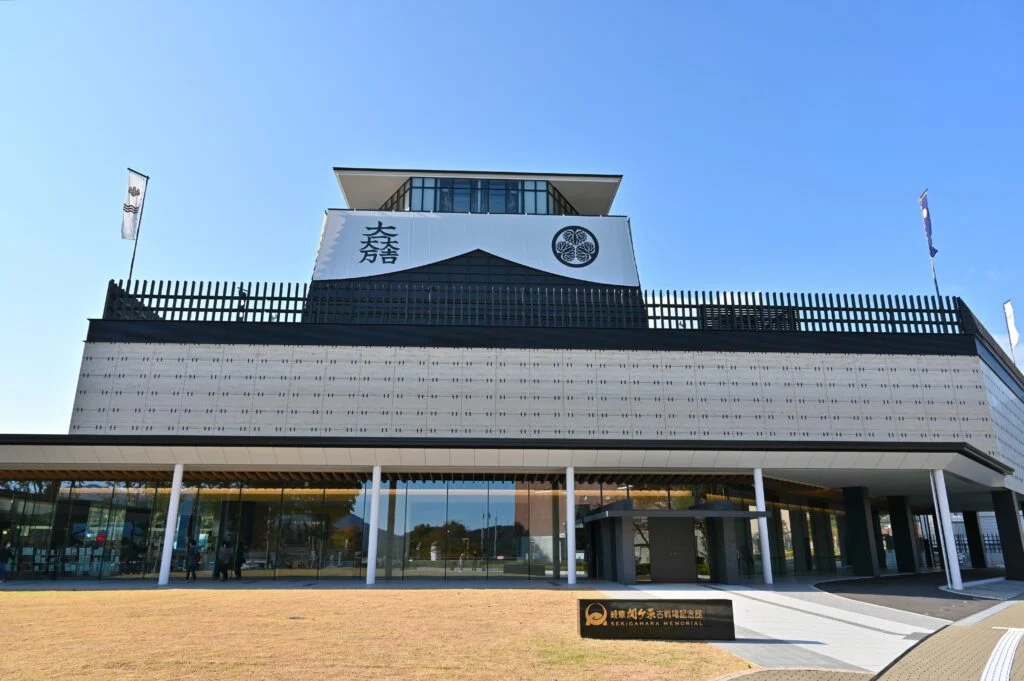
Approaching the Sekigahara Battlefield Memorial Museum immediately sets the tone for a reflective exploration of Japan’s past. The exterior blends traditional and contemporary architectural elements, drawing visitors into a space that respects history while providing a modern interpretive environment. The surrounding landscape echoes the battlefield’s contours, with subtle references in garden design and pathways guiding visitors toward the entrance. Upon entering, one is greeted by a spacious foyer that integrates natural light and minimalist design, allowing attention to focus on informative panels and introductory displays. The layout is thoughtfully organized to lead visitors through chronological segments, beginning with the political climate leading up to the battle and culminating in its aftermath. This initial impression is one of solemnity and educational purpose, preparing the visitor for a detailed journey through one of Japan’s most consequential historical events.
Highlights and Key Exhibitions
The museum’s core strength lies in its comprehensive collection of artifacts and multimedia installations that vividly portray the Battle of Sekigahara. Visitors can expect to encounter a diverse array of items, including period armaments such as swords, armor, firearms, and banners that once belonged to various daimyo (feudal lords) who participated in the conflict. Detailed battle maps, both original and recreated, illustrate the troop formations and maneuvers of the opposing forces, providing clarity to what can otherwise be an overwhelming historical topic. Key exhibitions often include life-sized dioramas that reconstruct pivotal moments from the battle, aiding in visualization and understanding of the terrain and strategic complexities. The museum also dedicates space to profiling prominent figures such as Tokugawa Ieyasu and Ishida Mitsunari, offering insights into their motivations and leadership styles. Recorded narrations and interactive touchscreens complement the displays, making complex historical information accessible to a wide audience.
Visitor Experience
The experience within the Sekigahara Battlefield Memorial Museum is designed to be immersive yet contemplative, balancing educational rigor with engaging storytelling. The signage throughout the museum is predominantly in Japanese, although English translations are generally available, catering to international visitors to some extent. The pacing allows for a thorough examination of exhibits without rush, though some visitors may appreciate additional audio guides or supplementary materials for a deeper dive. The staff are known to be courteous and knowledgeable, often willing to answer questions and provide further context. The ambiance is quiet, respectful, and conducive to reflection, aligning well with the serious subject matter. For those interested in military history and Japanese culture, the museum offers a rich tapestry of information, although general audiences might find certain sections dense, necessitating time and attentiveness to fully appreciate the content.
Tickets, Access, and Planning
Entry to the Sekigahara Battlefield Memorial Museum is reasonably priced, with discount options available for students, seniors, and groups. The museum operates regular hours year-round, but it is advisable to check the official website for any seasonal changes or holiday closures. Accessibility is a priority, with provisions for wheelchair access and facilities for visitors with disabilities. The museum is conveniently located near the actual battlefield site, making it an ideal starting or concluding point for exploring the surrounding historical landmarks. Public transportation options include local buses and taxi services from nearby train stations, while parking is available for those traveling by car. On-site amenities such as a gift shop and small café provide opportunities to purchase educational materials, souvenirs, and refreshments. Planning a visit around moderate weather months will enhance the experience, particularly for those intending to explore the outdoor battlefield areas afterward.
Final Verdict
The Sekigahara Battlefield Memorial Museum stands as an essential destination for anyone seeking to understand one of the most formative episodes in Japanese history. With its well-curated collections, thoughtful layout, and respectful presentation, the museum successfully bridges the gap between academic scholarship and public engagement. Its focus on the tactical, political, and human elements of the Battle of Sekigahara offers a narrative that is both educational and evocative. While certain aspects might feel challenging for casual visitors without prior knowledge of Japanese history, the overall experience is rewarding and enlightening, particularly for history enthusiasts and scholars. The museum complements the natural and historical context of its location, encouraging a holistic appreciation of the battle’s legacy. It is a commendable institution that not only preserves the past but invites reflection on the complexities of leadership, conflict, and national identity.