Perot Museum of Nature and Science Review
Science Museums · Dallas, United States. The Perot Museum of Nature and Science, located in Dallas, Texas, stands as a contemporary beacon for science education and natural history. Established in 2012, the museum emerged from the legacy of the Dallas…
Science Museums · Dallas, United States. The Perot Museum of Nature and Science, located in Dallas, Texas, stands as a contemporary beacon for science education and natural history. Established in 2012, the museum emerged from the legacy of the Dallas…
Best forScience, technology, hands-on learning
Review focusExhibits, interpretation, visitor flow
Historical Context
The Perot Museum of Nature and Science, located in Dallas, Texas, stands as a contemporary beacon for science education and natural history. Established in 2012, the museum emerged from the legacy of the Dallas Museum of Natural History, consolidating its vast array of scientific collections and educational programs into a state-of-the-art facility. Funded partly through a generous endowment from the Perot family, the museum exemplifies a commitment to advancing science literacy and inspiring curiosity in visitors of all ages. The building itself is a striking architectural achievement, designed with sustainability and innovation in mind, symbolizing the museum’s dedication not only to the preservation of nature and scientific knowledge but also to forward-thinking educational methodology. Over the years, the Perot Museum has cultivated a reputation as one of the premier science museums in the United States, integrating advanced technology with interactive exhibits to engage a diverse audience ranging from children and families to researchers and educators.
What You See on Arrival
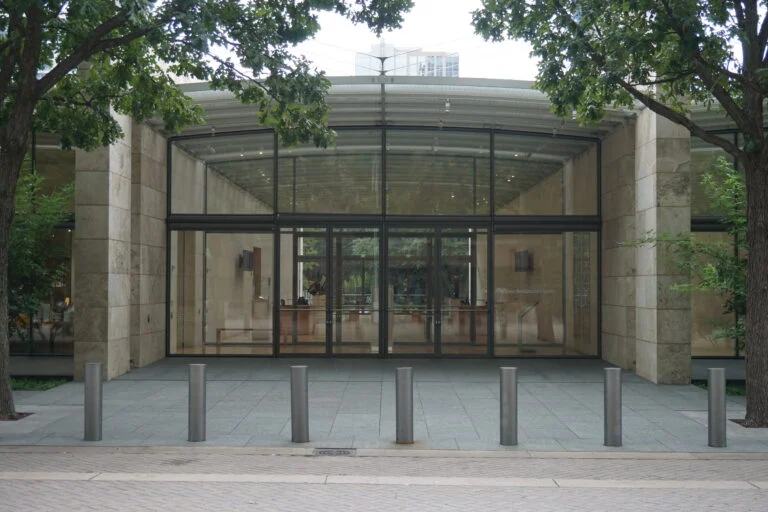
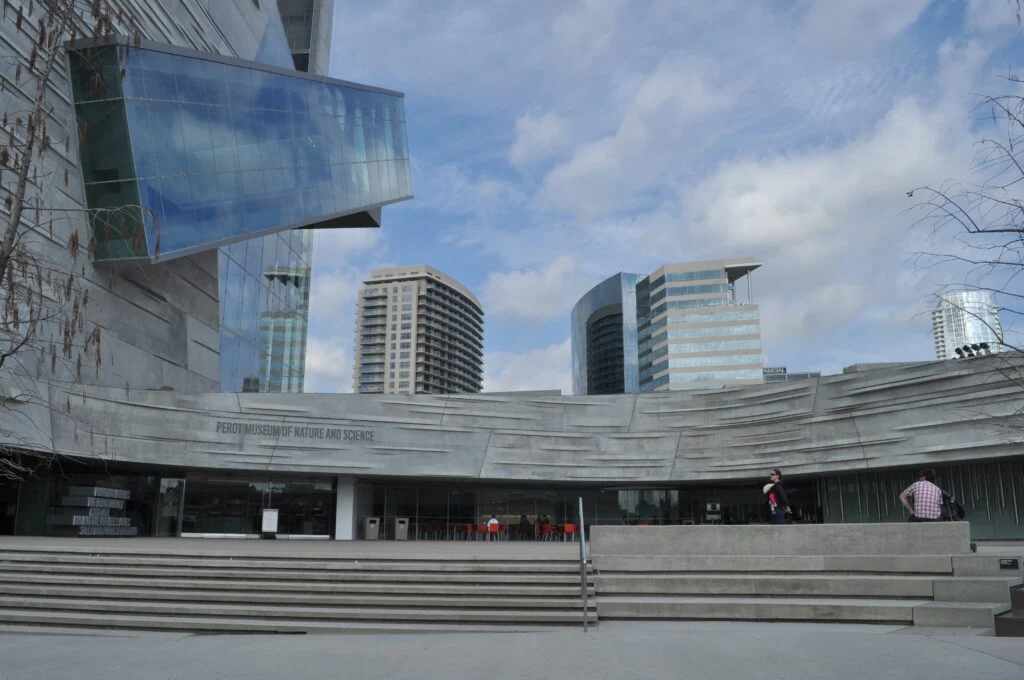
Upon arrival, visitors are greeted by the museum’s unique structural design that immediately signals a departure from traditional museum aesthetics. The museum is housed in a modern, angular building featuring dramatic cantilevered forms, lush landscaping, and an invitingly spacious exterior plaza. The vibrant façade and sharp lines convey a sense of energy and discovery, setting the tone for what lies within. Large glass panels allow ample natural light, creating a warm and welcoming atmosphere. Positioned in the heart of the Victory Park neighborhood, the museum’s location is easily accessible yet distinctively urban, surrounded by a mix of commercial developments and green space. The main entrance opens into a lofty atrium that acts as both a lobby and central orientation area, where visitors find maps, kiosks, and staff ready to assist. The architectural design cleverly uses suspended staircases and open galleries so that even as visitors enter, they catch glimpses of key exhibits on the upper floors, building anticipation.
Highlights and Key Exhibitions
The Perot Museum offers a diverse range of permanent exhibitions that together provide an expansive overview of natural history and science. One of the standout galleries is the Expedition Zone, designed primarily for younger audiences, where interactive displays encourage hands-on learning about ecosystems, geology, and animal adaptations. Nearby, the Gems and Minerals Hall dazzles with its extensive collection of precious stones and minerals, many displayed with detailed contextual information that reveals their geological origins and applications. The Dallas/Fort Worth Hall of Minerals and Gems is notably rich in regional specimens, providing an educational link to the local environment.
The Hall of Texas Wildlife brings regional biodiversity to life with realistic dioramas and multimedia presentations, offering insight into the plants and animals native to the state. Meanwhile, the Dinosaur Hall showcases a remarkable array of fossils and meticulously reconstructed skeletons, giving visitors a window into prehistoric life with scientific accuracy and impressive scale. The museum’s engineering and technology focused spaces explore topics like robotics, physical sciences, and the principles of engineering through interactive exhibits, including simulators that demonstrate mechanical forces and energy transfer.
Throughout the museum, augmented reality elements and touchscreen displays enhance the learning experience, allowing visitors to delve deeper into scientific phenomena and the narratives behind exhibits. The museum does not limit itself to static displays; embedded educational programs and workshops frequently complement the exhibitions, fostering active engagement in subjects ranging from robotics to environmental science.
Visitor Experience
The Perot Museum is designed with visitor engagement and education at its core. The extensive use of digital interactivity across galleries helps transform potentially complex scientific concepts into accessible and entertaining experiences. Exhibits are thoughtfully curated to cater to a wide age range, with zones tailored for children, teenagers, and adults, making it a family-friendly destination. Visitor flow is facilitated by clear signage and open layouts that prevent congestion even during peak hours.
The museum staff is praised for their expertise and enthusiasm, often visible near interactive stations or in specialized learning zones where they support visitors' inquiries and encourage participation. In addition to self-paced exploration, a variety of guided tours and live demonstrations serve to deepen understanding and enhance the overall visit.
Amenities such as quiet zones, seating areas, and a well-stocked museum store contribute further to the overall comfort and convenience. The on-site café offers a modest but well-curated food selection, focusing on fresh and healthy options that appeal to mindful travelers. Special event spaces and the museum’s theater provide venues for lectures, screenings, and community programs, reinforcing the institution’s role as a hub for scientific discourse.
Tickets, Access, and Planning
Ticketing for the Perot Museum is straightforward, with options available online and on-site. Admission prices are tiered by age, with discounts offered for seniors, students, and children. Annual memberships provide excellent value for frequent visitors and include additional perks such as guest passes and invitations to member-only events.
Planning a visit is facilitated by informative resources available on the museum’s official website, which outlines exhibit information, hours, COVID-19 protocols, and accessibility features. The museum is committed to inclusivity, with wheelchair accessibility throughout, audio guides for those with visual impairments, and sensory-friendly hours to accommodate neurodiverse visitors.
The location offers convenient access via public transportation and ample parking options, including dedicated spaces nearby. Visitors are advised to allocate several hours to fully explore the exhibits, with particular attention to scheduled demonstrations or workshops that may require advance booking.
Final Verdict
The Perot Museum of Nature and Science successfully combines architectural innovation with a rich, scientifically rigorous collection presented through interactive, engaging formats. It stands out not only as a repository of natural history and scientific artifacts but as a dynamic educational institution for a broad demographic. Strengths include its diverse and thoughtfully curated exhibitions, accessibility, and active participation opportunities, all of which contribute to an enriching visitor experience.
While the museum excels in many areas, some aspects may pose challenges for visitors seeking more traditional, contemplative displays rather than interactive ones. Additionally, the scale and density of information might feel overwhelming for those desiring a more casual outing. Nonetheless, for visitors willing to immerse themselves in the layers of knowledge and hands-on learning, the Perot Museum offers a rewarding journey through the natural world and scientific innovation that reflects both regional character and universal themes. It remains a cultural and educational landmark within Dallas that resonates well beyond its immediate geographic context.