Nasher Sculpture Center Review
Art Museums · Dallas, United States. Nestled in the vibrant arts district of Dallas, the Nasher Sculpture Center stands as a beacon of modern and contemporary sculpture. Founded in 2003, the museum serves not only as a repository for sculptural…
Art Museums · Dallas, United States. Nestled in the vibrant arts district of Dallas, the Nasher Sculpture Center stands as a beacon of modern and contemporary sculpture. Founded in 2003, the museum serves not only as a repository for sculptural…
Best forMasterpieces, architecture, cultural history
Review focusCollection highlights, building, visitor flow
Historical Context
Nestled in the vibrant arts district of Dallas, the Nasher Sculpture Center stands as a beacon of modern and contemporary sculpture. Founded in 2003, the museum serves not only as a repository for sculptural masterpieces but also as a living testament to the vision and generosity of its founder. The Nasher Sculpture Center owes its origins to Raymond Nasher, a prominent art collector whose passion for modern sculpture led to the establishment of an institution dedicated to the medium. His vision was realized through a collaboration with renowned architects, ensuring the museum's design complements its impressive collection. The center has since become a cultural landmark in Dallas, contributing to the city's evolving art scene and providing a dedicated space for the appreciation and study of sculptural works. Its role within the international art community is underscored by a collection that features pivotal artists and movements, offering insight into the development of sculpture from the 20th century to the present day. This historical grounding offers a rich context for understanding the significance of the Nasher Sculpture Center today.
What You See on Arrival
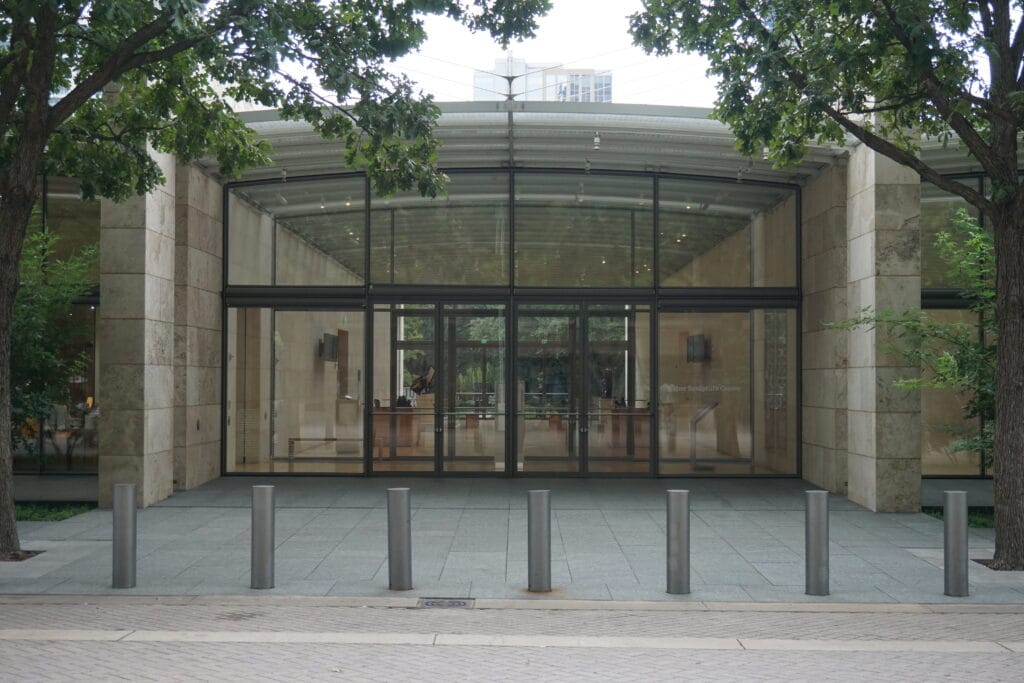
Approaching the Nasher Sculpture Center, visitors are greeted by a serene and thoughtfully designed courtyard that serves as an introduction to the space’s harmonious blend of art and nature. The building’s architecture is characterized by clean lines and an understated elegance that does not overshadow the sculptures on display but rather enhances their presence. The exterior garden, an essential aspect of the museum experience, is thoughtfully integrated with the surrounding urban environment, creating a quiet enclave amidst the bustling city. Upon entry, the transition from outdoor to indoor space is seamless, with natural light flooding the galleries through expansive skylights. This intentional use of daylight fosters an intimate atmosphere, allowing each sculpture to be experienced in relation to its surroundings. The lobby area is welcoming and uncluttered, setting a tone of contemplative calm that is sustained throughout the visit. Early impressions emphasize the center’s commitment to creating an environment where art and viewer coexist in balance, inviting one to linger and engage with the works thoughtfully.
Highlights and Key Exhibitions
The Nasher Sculpture Center’s permanent collection showcases a distinguished roster of twentieth- and twenty-first-century sculptors whose works have shaped the course of contemporary art. Artists represented include trailblazers such as Picasso, Matisse, Henry Moore, and more recent figures like Anish Kapoor and Jaume Plensa. These collections are carefully curated to reflect a broad spectrum of sculptural languages, from figuration to abstraction, and from traditional media to experimental forms.
One of the center’s renowned strengths lies in its integration of indoor and outdoor sculpture, allowing visitors to witness how context influences perception. Large-scale works in the garden are particularly compelling, offering an immersive experience where art becomes part of the landscape. Visitors often remark on the movement and spatial dynamics present in key installations, highlighting the center's ability to showcase monumental pieces with grace.
The center also hosts a rotating schedule of exhibitions that provide deeper explorations into specific themes, artists, or periods within the field of sculpture. While these are not named here due to their changing nature, programming is generally noted for its scholarly rigor and relevance, often accompanied by educational events and talks that deepen visitor engagement.
Visitor Experience
The visitor experience at the Nasher Sculpture Center is crafted to encourage contemplation and dialogue with the artworks. The galleries are spacious, allowing enough room for viewers to observe sculptures from multiple vantage points, crucial for fully appreciating three-dimensional works. The layout emphasizes fluid movement, ensuring visitors do not feel rushed or congested, even during busier periods.
Interpretive materials, including wall texts and audio guides, are thoughtfully produced, delivering concise yet insightful background on the artists and their creations without overwhelming the visitor. Staff and volunteers are generally reported to be knowledgeable and approachable, adding a layer of warmth and expertise to the overall experience.
The outdoor garden serves as a highlight for many, providing a contrasting environment where art interacts with natural light, vegetation, and open air. Seating areas are available, inviting extended reflection, and the tranquil setting fosters moments of pause.
Beyond the exhibitions and gardens, the center offers a museum shop with a curated selection of art books and design objects, as well as a cafe where visitors can relax and continue absorbing the creative atmosphere. These additional amenities make it a well-rounded cultural destination.
Tickets, Access, and Planning
The Nasher Sculpture Center operates with an emphasis on accessibility and visitor convenience. Ticketing is straightforward, with options available for individual admission, as well as discounts for seniors, students, and groups. The center’s official website provides updated information on pricing, hours, and any special visitor guidelines, ensuring potential guests can plan effectively. Entry policies are transparent, and advance ticket purchase is recommended during peak times to avoid disappointment.
Access for visitors with disabilities is a clear priority. The museum offers wheelchair access throughout the galleries and grounds, and staff are attentive to the needs of those requiring assistance. Parking facilities are available nearby, including options for accessible parking, enhancing convenience for visitors arriving by car.
Public transportation links to the arts district make the museum reachable for those relying on buses or light rail services. For international visitors or those unfamiliar with Dallas, the museum’s website offers practical tips on navigating the city’s cultural district, emphasizing the center’s role as a welcoming international destination.
Final Verdict
The Nasher Sculpture Center is a distinguished institution that beautifully balances architectural elegance, curated sculptural excellence, and visitor-centered amenities. Its significance extends beyond regional boundaries, positioning it as a must-see venue for anyone interested in the evolution and contemporary practice of sculpture. The thoughtful integration of indoor and outdoor exhibition spaces enhances the capacity for visitors to engage deeply with the works in a multiplicity of contexts—a feature that elevates the experience beyond the conventional museum visit.
While the center excels in presenting masters of modern and contemporary sculpture, it is also commendable for its intellectual rigor in programming and its inviting atmosphere that encourages both casual appreciation and scholarly curiosity. Practical considerations such as clear access info and visitor services round out a highly polished cultural offering.
In sum, the Nasher Sculpture Center stands as a testament to the power of sculpture to shape our understanding of space, form, and cultural expression. Whether one is an art aficionado or a curious newcomer, the center provides top-tier insights and enjoyment, making it a noteworthy highlight on Dallas’s cultural map and the wider art world.