Henan Museum Review
Archaeology Museums · Zhengzhou, China. The Henan Museum, located in Zhengzhou, China, stands as a venerable institution dedicated to preserving and showcasing the rich cultural heritage of Henan Province. Henan is widely regarded as one of the cradles of…
Archaeology Museums · Zhengzhou, China. The Henan Museum, located in Zhengzhou, China, stands as a venerable institution dedicated to preserving and showcasing the rich cultural heritage of Henan Province. Henan is widely regarded as one of the cradles of…
Best forMasterpieces, architecture, cultural history
Review focusCollection highlights, building, visitor flow
Historical Context
The Henan Museum, located in Zhengzhou, China, stands as a venerable institution dedicated to preserving and showcasing the rich cultural heritage of Henan Province. Henan is widely regarded as one of the cradles of Chinese civilization, with archaeological discoveries tracing back thousands of years, spanning from the Neolithic era through successive dynasties including the Shang, Zhou, Qin, Han, and beyond. The museum’s collections reflect this deep historical tapestry, presenting artifacts that tell stories of ancient tribal cultures, early state formation, and the development of early Chinese writing and bronze culture. Established initially in the early 20th century, the museum has undergone multiple expansions and renovations to keep pace with modern museology and the growing importance of Henan in China’s cultural narrative. It serves not only as a repository of invaluable relics but also as a center for scholarly research, education, and public engagement with China’s formative epochs. The Henan Museum occupies a unique position in the landscape of Chinese archaeology and history, particularly renowned for its extensive bronzeware and pottery holdings.
What You See on Arrival
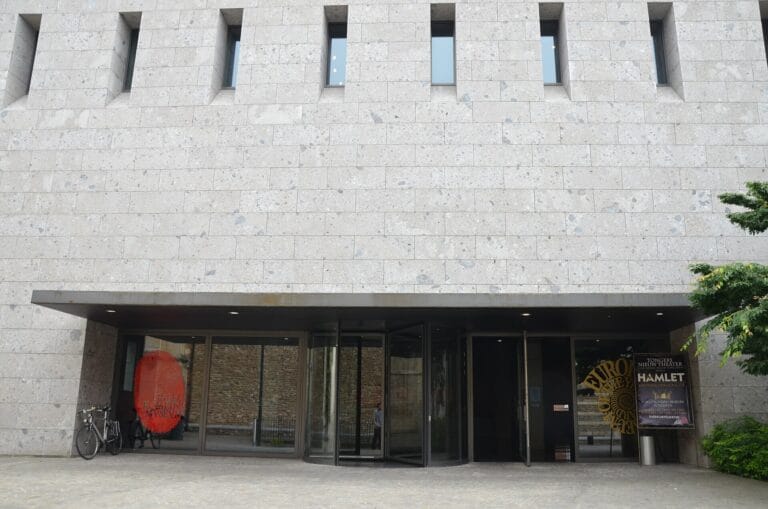
Upon arrival at the Henan Museum in Zhengzhou, visitors are immediately struck by the building’s architectural design, which gracefully blends contemporary aesthetics with traditional Chinese elements. The entrance pavilion is spacious and inviting, featuring clean lines and abundant natural light that enhances the welcoming atmosphere. Visitors typically find themselves in a large and well-organized lobby area, carefully designed to orient guests comfortably before embarking on their journey through the extensive galleries. The sense of order and clarity is enhanced by ample signage in both Chinese and English, aiding international visitors in navigating the exhibit spaces with ease. Outside, the museum is set within a pleasant environment that includes gardens and open spaces, offering a moment of reflection amid an urban setting. This calm exterior contrasts thoughtfully with the dynamic and complex stories housed within the museum’s walls, preparing visitors for an immersive historical experience.
Highlights and Key Exhibitions
The Henan Museum’s permanent collections are particularly celebrated for their array of Bronze Age artifacts, including ritual vessel sets, weapons, and tools from the Shang and Zhou Dynasties. These objects are not only aesthetically impressive, showcasing fine craftsmanship and intricate designs, but they also convey the ceremonial and political significance of the era. One of the museum’s standout pieces is a meticulously preserved bronze vessel that exemplifies early Chinese inscriptions, providing insight into ancient language development and ritualistic culture. In addition to bronzeware, the museum displays a remarkable selection of Neolithic pottery from famous archaeological sites such as Erlitou and Yangshao. These ceramics highlight early agricultural communities and their evolving artistic expressions. The museum also showcases exquisite ancient jade objects, burial items, and calligraphic fragments, which together trace the continuous development of craftsmanship, belief systems, and governance in this central region. The curatorial approach towards these artifacts ensures each display contextualizes the objects within the broader sweep of Chinese history, allowing visitors to move chronologically or thematically through the exhibit halls.
Visitor Experience
The Henan Museum offers a thoughtfully arranged visitor experience that caters to both casual tourists and academic enthusiasts. The gallery spaces are generously proportioned and well-lit, with display cases positioned to provide both close-up views of the artifacts and clear informational panels. Multilingual descriptions are provided, although English translations, while generally accurate, could occasionally be more expansive to fully capture the nuance of some complex historical terms and references. Interactive digital displays and video presentations complement the static collections without detracting from the artifacts themselves, assisting in the communication of historical narratives in an engaging manner. Staff are generally knowledgeable and helpful, prepared to offer guidance and answer questions, enhancing the educational potential of the visit. Facilities such as seating areas and restrooms are clean and accessible, adding to the overall comfort for visitors. Additionally, the museum maintains a quiet and contemplative atmosphere conducive to reflection and learning. However, the breadth of the collection can be overwhelming without prior knowledge or a guided tour, suggesting that visitors might benefit from preparatory reading or the use of audio guides where available.
Tickets, Access, and Planning
The Henan Museum is accessible to the general public with a ticketing system designed to accommodate a wide range of visitors. Entrance fees are modest and represent good value given the richness of the collections on display. The museum operates on a regular schedule, typically open six days a week with one rest day, although prospective visitors should consult the official website for the most current opening times and any holiday closures. Accessibility is thoughtfully addressed, with wheelchair ramps and elevators in place to facilitate access to various floors. Public transportation options in Zhengzhou connect conveniently to the museum, making it easily reachable for both local residents and tourists. For those planning a visit from outside the region, the museum’s proximity to major city amenities, including hotels and restaurants, allows for a comfortable stay. Visitors are advised to allocate at least two to three hours to explore the museum thoroughly, as the extensive range of artifacts and the accompanying explanations require adequate time for appreciation. Advance ticket booking might be recommended during peak tourist seasons to avoid long wait times.
Final Verdict
The Henan Museum exemplifies the successful marriage of historical depth and modern museology, rendering it an essential destination for anyone interested in the cultural origins of China. Its expansive and well-curated collections provide a fascinating insight into the ancient periods of one of China’s foundational regions, with particular strengths in bronzeware and early pottery. While some improvements could be made in expanding English-language content and offering more structured visitor guides to fully unlock the potential of the rich displays, the overall visitor experience remains impressive. The museum’s facilities, location, and accessibility contribute to a visit that is both educational and enjoyable, whether for academic researchers or casual tourists keen to deepen their understanding of Chinese history. In the context of China’s extensive museum landscape, the Henan Museum stands out as a cultural beacon illuminating the complexity and continuity of early Chinese civilization. Visitors who engage with its halls will come away with a much richer appreciation of the ancient forces that have shaped China’s historical trajectory and cultural identity. For those with an interest in archaeology, art history, or regional heritage, this museum offers an irreplaceable window into the depths of time.