Smithsonian National Museum of African Art Review
Art Museums · Washington, D.C., United States. The Smithsonian National Museum of African Art, situated in Washington, D.C., serves a vital role in presenting the rich and diverse cultural heritage of the African continent through art. Established in 1964, the institution…
Art Museums · Washington, D.C., United States. The Smithsonian National Museum of African Art, situated in Washington, D.C., serves a vital role in presenting the rich and diverse cultural heritage of the African continent through art. Established in 1964, the institution…
Best forMasterpieces, architecture, cultural history
Review focusCollection highlights, building, visitor flow
Historical Context
The Smithsonian National Museum of African Art, situated in Washington, D.C., serves a vital role in presenting the rich and diverse cultural heritage of the African continent through art. Established in 1964, the institution holds a distinguished place within the broader Smithsonian complex, dedicated specifically to advancing understanding and appreciation of African art in its many forms. Over decades, the museum has evolved from a modest collection to one of the world’s most comprehensive repositories of African artistic expression, encompassing traditional, modern, and contemporary works. Its foundation corresponds with a pivotal period in global history when movements toward decolonization and civil rights were reshaping cultural discourse. The museum thus not only functions as a repository of artistic artifacts but also as a platform for cultural dialogue, historical reflection, and educational outreach that challenges stereotypes and fosters a deeper engagement with Africa’s artistic narratives.
What You See on Arrival
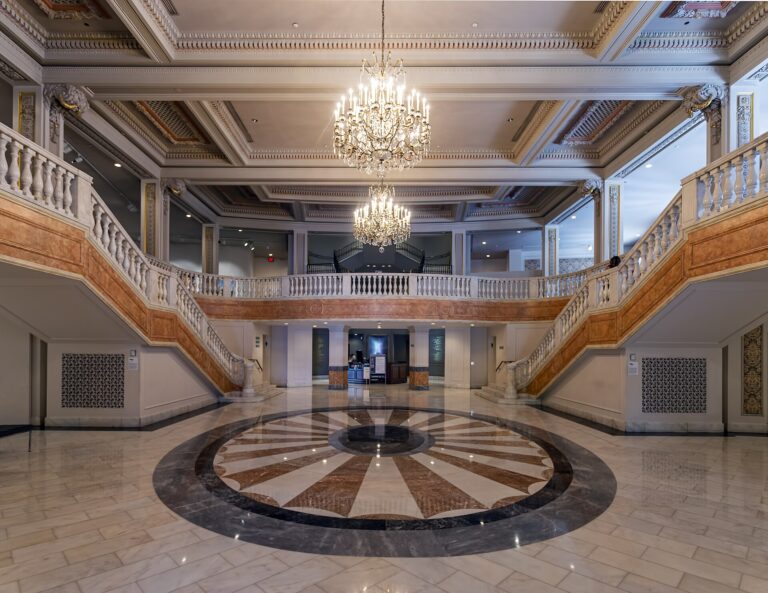
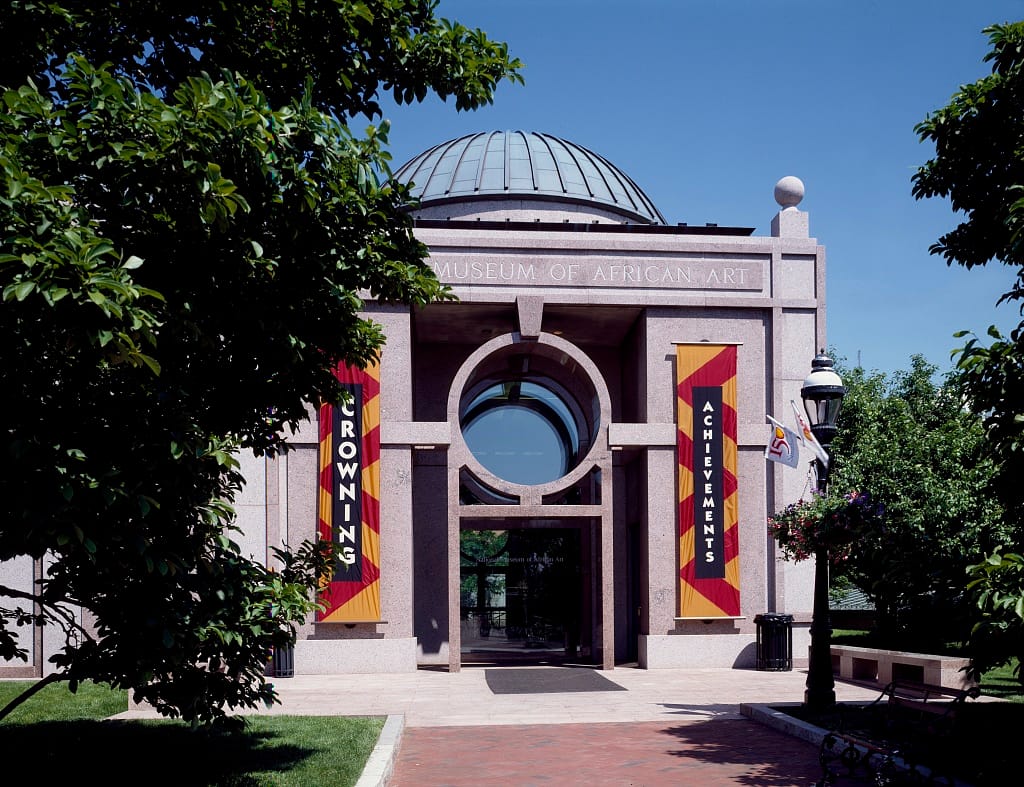
The National Museum of African Art occupies a discreet yet pivotal space on the National Mall, nestled among some of the nation’s most iconic cultural institutions. The museum’s entrance is accessed via a subterranean link to the National Museum of Natural History, making its presence somewhat understated compared to the imposing classical facades nearby. Visitors approaching the museum encounter a welcoming, modern design characterized by clean lines and understated elegance that reflect a contemplative atmosphere, appropriate for the treasures within. The lobby area is spacious and thoughtfully designed, facilitating smooth visitor flow and featuring informational displays that set the tone for the exploration ahead. While the exterior does not shout for attention, the subtle architectural choices encourage a sense of calm and thoughtful engagement before encountering the diverse artworks on display.
Highlights and Key Exhibitions
The core of the museum’s collection offers an arresting glimpse into Africa’s artistic breadth, spanning centuries and representing a wide array of cultures. Among the highlights are exquisitely carved wooden sculptures from West Africa, often serving both ceremonial and functional purposes in their original contexts. These works are balanced by an impressive array of textile arts, including elaborately patterned kente cloth from Ghana and intricately embroidered garments that speak to the continent’s vibrant traditions in fabric craftsmanship.
Additionally, the museum boasts an outstanding collection of contemporary African art, showcasing artists who challenge traditional methods and themes while raising poignant questions about identity, history, and global influence. Paintings, mixed media works, and installations articulate the dynamism of modern African creativity, articulating stories of urban life, diaspora experiences, and postcolonial narratives.
The museum also displays a fine selection of jewelry, masks, and ritual objects. Each item is accompanied by insightful interpretive materials that contextualize their cultural significance, ceremonial use, or social function. Photography and multimedia installations further broaden the scope, offering contemporary commentary and personal reflections from African artists and communities.
Visitor Experience
Visitors to the National Museum of African Art can anticipate a multilayered experience that caters to diverse interests and levels of familiarity with African art. The museum’s layout encourages immersion, with galleries arranged thematically and geographically, allowing visitors to traverse Africa's different regions and artistic traditions. The interpretive strategy is a considerable strength; wall texts, digital guides, and interactive displays provide accessible yet nuanced explanations that illuminate the connections between pieces and their cultural roots.
Educational programs and workshops, which are often highlighted on the museum’s official website, extend learning beyond the galleries. These offerings aim to engage families, students, and art enthusiasts, fostering a participatory atmosphere that invites deeper investigation and dialogue. For those unfamiliar with African art, the museum generally avoids dense academic jargon, instead opting for clear, engaging narratives that cultivate appreciation without sacrificing complexity.
While generally accessible, certain gallery spaces might pose challenges for visitors requiring mobility assistance due to their size and layout. However, staff are typically well-trained to offer support and information on available accessibility services. Overall, the atmosphere is one of open invitation and respectful inclusion.
Tickets, Access, and Planning
Admission to the National Museum of African Art is free, consistent with Smithsonian Institution policy, making it an accessible cultural destination for a broad audience including locals, tourists, and students. The museum’s central location on the National Mall adds to its appeal, easily reachable via multiple modes of public transport, including the Washington Metro and various bus lines.
Operating hours typically accommodate a full day of exploration, though it is advisable to check current timings and any special visitor guidelines on the official museum website prior to planning a visit. The museum includes visitor amenities such as a café and a gift shop offering curated items inspired by African art and culture, which can enrich the overall experience.
Due to its integration within the Smithsonian complex, the museum is part of a larger cultural itinerary that may include visits to nearby institutions like the National Museum of American History or the Hirshhorn Museum. This proximity encourages visitors to consider African art within the broader narrative of global art history.
Final Verdict
The Smithsonian National Museum of African Art represents a distinctive and vital cultural institution, unrivaled in its dedication to the arts of the African continent within the United States. Its collection showcases both venerable traditional works and compelling contemporary pieces, providing an expansive vista of African creativity and cultural expression. The museum excels in creating an environment that is welcoming and intellectually stimulating, supported by well-crafted interpretive materials and a range of educational initiatives.
While the museum’s understated exterior and sometimes compact gallery spaces may initially seem modest compared to other monumental museums nearby, the depth and quality of its collection more than compensate for this reserved physical presence. The commitment to accessibility and public engagement further highlights its role as an inclusive space for learning and appreciation.
For those interested in expanding their understanding of African art beyond common mainstream representations, the museum offers an invaluable resource and an enriching cultural experience. It successfully bridges the gap between historical context and contemporary relevance, making it a compelling destination for both seasoned art aficionados and curious newcomers alike.