National Museum of the American Indian Review
Indigenous Culture Museums · Washington, D.C., United States. The National Museum of the American Indian, located in Washington, D.C., is a key institution dedicated to the rich histories, cultures, and contemporary lives of Indigenous peoples across the Americas. Established as…
Indigenous Culture Museums · Washington, D.C., United States. The National Museum of the American Indian, located in Washington, D.C., is a key institution dedicated to the rich histories, cultures, and contemporary lives of Indigenous peoples across the Americas. Established as…
Best forMasterpieces, architecture, cultural history
Review focusCollection highlights, building, visitor flow
Historical Context
The National Museum of the American Indian, located in Washington, D.C., is a key institution dedicated to the rich histories, cultures, and contemporary lives of Indigenous peoples across the Americas. Established as part of the Smithsonian Institution, it represents a significant effort to present Native American narratives from Indigenous perspectives, challenging traditional portrayals often found in mainstream museums. The museum’s foundation reflects broader societal shifts towards recognition, respect, and preservation of Indigenous heritage. It opened its doors in its current prominent location on the National Mall in 2004, replacing a smaller facility previously located in the George Gustav Heye Center in New York City. The building and its exhibits collectively embody a commitment not only to historical artifacts but to ongoing cultural resilience and revitalization. This institution serves both as a cultural repository and an educational resource, aiming to correct misconceptions and foster deeper understanding and appreciation of the diversity among Native American peoples.
What You See on Arrival
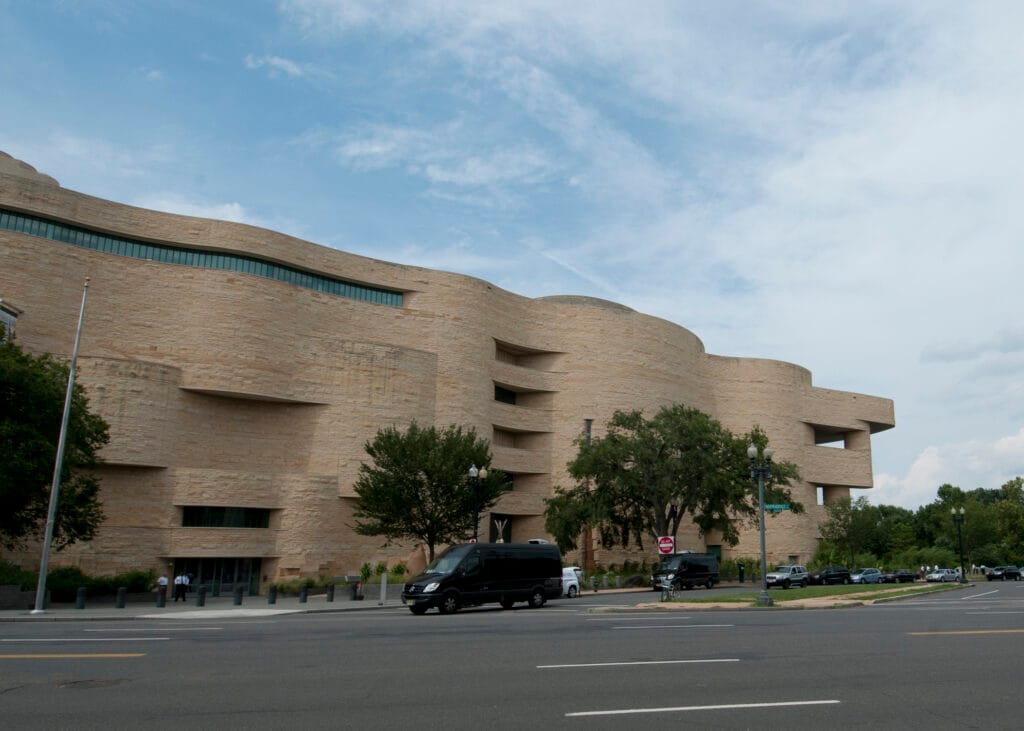
Approaching the National Museum of the American Indian, visitors encounter a striking architectural design that immediately signals its cultural significance. The building is renowned for its organic, flowing lines and sandstone facade, inspired by natural formations and Indigenous design principles. As one nears the main entrance, there is a palpable atmosphere of reflection, framed by carefully landscaped gardens that reference native plants and traditional landscaping techniques. The main entrance itself is accessible from the National Mall, inviting a welcoming and inclusive arrival experience. Inside, the lobby opens up to spacious galleries that balance natural light with thoughtfully curated displays. Initial impressions are marked by a sense of calm and reverence, preparing visitors for a journey through the complex histories and lived experiences that unfold within the museum’s walls.
Highlights and Key Exhibitions
The National Museum of the American Indian showcases an extensive permanent collection that spans thousands of years and encompasses diverse cultural regions. One of the notable strengths of the museum is its emphasis on storytelling through objects, images, and multimedia. Visitors find themselves immersed in narratives that range from ancient traditions to contemporary Native American life. Key exhibits often explore themes like creation stories, the impact of European colonization, and contemporary cultural and political issues faced by Indigenous communities.
The “Our Universes” gallery offers a spiritual and philosophical insight into Indigenous worldviews, while “Native New York” looks at Indigenous history and presence on the eastern seaboard through much of American history. The exhibit “Infinity of Nations,” a gallery of more than 700 objects, stands out for its presentation of diverse material culture, including regalia, tools, and ceremonial pieces from all across the Americas. The use of oral histories and personal narratives enhances the visitors’ connection to the artifacts, providing context beyond mere aesthetics.
In addition to the permanent exhibitions, the museum includes areas dedicated to rotating displays, often emphasizing contemporary Indigenous art, culture, and issues. These exhibitions serve as vital platforms for current Native voices, bridging the past and present in meaningful ways. The museum also includes a cinema that shows films by Indigenous filmmakers, further enriching the interpretive landscape.
Visitor Experience
The visitor experience at the National Museum of the American Indian is characterized by thoughtful engagement and educational depth. The museum’s layout encourages a non-linear exploration, allowing visitors to navigate according to their interests. Clear signage, interactive displays, and multimedia presentations provide layers of interpretation catering to diverse audiences, from school groups to seasoned museumgoers.
Educational programming is robust, offering lectures, workshops, and cultural performances that bring Indigenous traditions and contemporary issues to life. The museum staff are generally known for their knowledgeable and welcoming approach, enhancing the overall atmosphere of respect and learning. Visitors often remark on the museum’s ability to evoke empathy and provide insight into the multifaceted nature of Indigenous existence.
The museum’s public spaces also contribute to the visitor experience, including the beautifully designed Immallamaki (landscape garden) and the Mitsitam Native Foods Cafe, which serves dishes inspired by Indigenous cuisine. These elements offer a holistic cultural immersion beyond the galleries, engaging senses beyond sight and deepening visitors’ connection to Indigenous heritage.
Tickets, Access, and Planning
Admission to the National Museum of the American Indian is free, in keeping with Smithsonian Institution policy, making it an accessible cultural resource for both local residents and international visitors. The museum’s location on the National Mall ensures it is easily reachable by public transportation, including metro lines and bus routes, as well as pedestrian access from other nearby federal institutions and landmarks.
The building is fully accessible, with elevators, ramps, and accommodations available for visitors with disabilities. Services such as guided tours, assistive listening devices, and materials in multiple languages support a broad audience. The museum’s website provides detailed information on hours of operation, special events, and tips for planning a visit, including recommendations for group visits and educational programs.
Given its popularity and the appeal of scheduled events and performances, prospective visitors are advised to check the museum’s calendar in advance. While no timed tickets are required for general admission, some special programs may require reservations.
Final Verdict
The National Museum of the American Indian stands as a vital and thoughtfully curated institution that successfully amplifies Indigenous voices and stories within a major urban context. It offers a richly layered experience that marries depth of scholarship with cultural sensitivity and artistic expression. The museum’s architectural design, extensive collections, and commitment to education make it not just a space for viewing artifacts, but a dynamic environment for understanding the ongoing contributions and challenges of Native peoples.
Its strengths lie in its inclusive approach to storytelling, thoughtful presentation, and community engagement. However, the museum also faces the complex task of representing a vast array of distinct cultures, which can at times lead to challenges in balancing breadth and detail. Nevertheless, it remains an essential destination for anyone seeking a more nuanced understanding of American history and Indigenous cultures.
Accessible, free, and enriched by multiple layers of interpretation, the National Museum of the American Indian offers a profound and engaging experience for a broad spectrum of visitors, establishing itself as a must-visit cultural institution in the United States capital.