Coptic Museum
Archaeology Museums · Cairo, Egypt. The Coptic Museum in Cairo, Egypt, serves as a unique beacon of cultural preservation dedicated to the history, art, and heritage of Coptic Christianity in Egypt. This museum offers a rich journey through the…
Best forScience, technology, hands-on learning
Setting / nearbyThe heart of Coptic Cairo, a district known for its concentration of Christian sites and c
Overview
The Coptic Museum in Cairo, Egypt, serves as a unique beacon of cultural preservation dedicated to the history, art, and heritage of Coptic Christianity in Egypt. This museum offers a rich journey through the religious and artistic traditions of Egypt's Coptic community, spanning from the early Christian period to the Islamic era. It is widely regarded as one of the most important repositories of Coptic art and artifacts in the world. The museum’s collections provide invaluable insights into the spiritual life, craftsmanship, and social history of the Coptic people, who are an integral part of Egypt’s diverse historical tapestry.
Collection Highlights
The core strength of the Coptic Museum lies in its extensive and diverse collection of religious and everyday objects that showcase the evolution of Coptic art and culture. Among the museum’s treasures are intricately decorated textiles, manuscripts, woodwork, metalwork, and illuminated icons. Visitors can marvel at beautifully crafted Coptic crosses carved from wood and stone, as well as finely detailed wall paintings and frescoes salvaged from ancient churches and monasteries.
A particularly striking feature is the museum’s holdings of textiles, which include fragments of ancient Coptic fabric adorned with geometric patterns, floral motifs, and biblical scenes that demonstrate advanced weaving techniques and artistic expression. The illuminated manuscripts reveal a rich tradition of Christian scholarship, featuring biblical texts and liturgical writings adorned with colorful illustrations and ornate calligraphy.
The collection also highlights everyday objects that shed light on the domestic and religious lives of Copts across centuries. This includes pottery, glassware, and metal artifacts that reflect the fusion of ancient Egyptian, Greek, Roman, and Byzantine influences with native Coptic forms. Together, these items narrate the story of a community that maintained its religious identity and artistic heritage through periods of significant cultural and political change.
Building and Setting
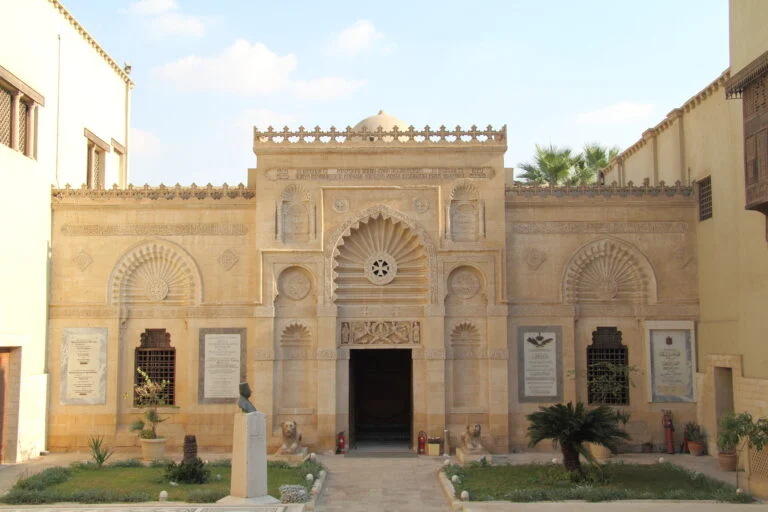
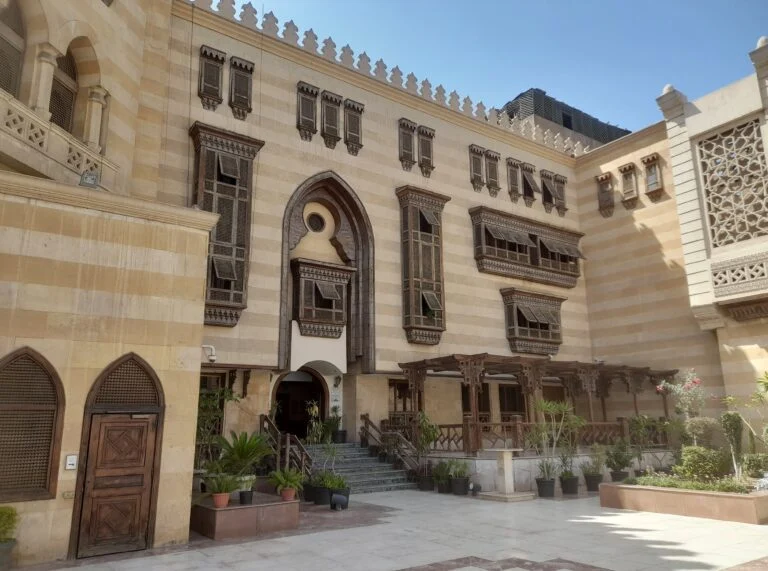
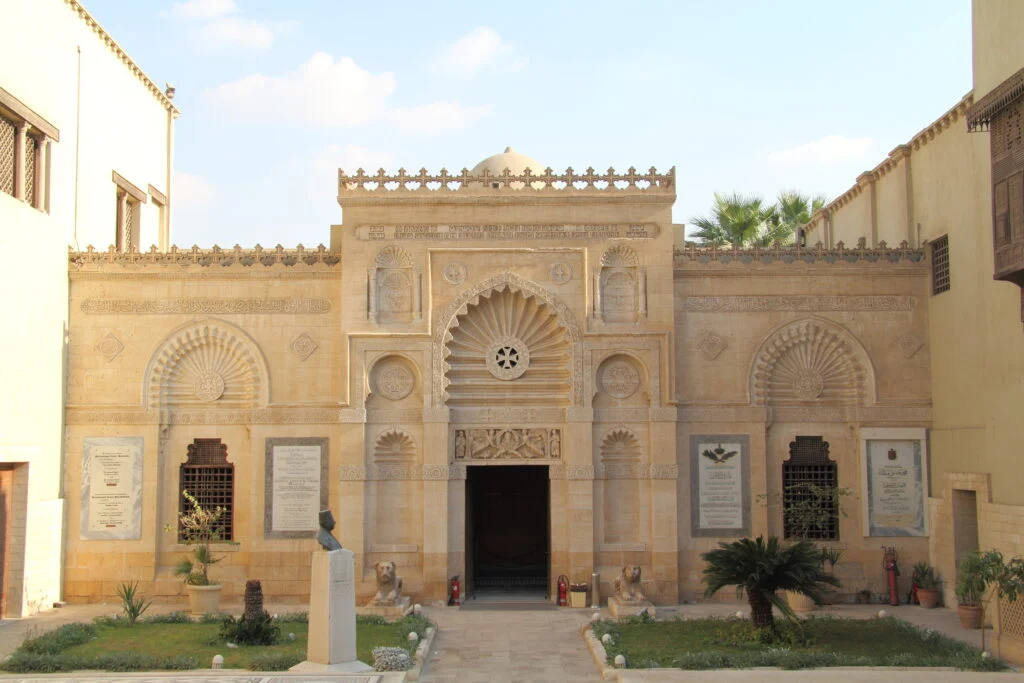
The museum is housed in a series of stunning historic buildings located in the heart of Coptic Cairo, a district known for its concentration of Christian sites and churches, some dating back over a millennium. The architecture itself is an engaging blend of traditional Coptic styles with elements from Islamic and medieval Egyptian design, creating an atmospheric environment that complements the artifacts on display.
The setting in Coptic Cairo adds a unique contextual richness to the visit. The surrounding area is home to several ancient churches, monasteries, and other religious landmarks that collectively form a spiritual and cultural hub. Wandering through the museum’s tranquil courtyards and galleries offers a sense of stepping back into an era when Coptic Christianity was a dominant cultural force in Egypt.
Practical Information
Prospective visitors planning a trip to the Coptic Museum are advised to confirm the latest opening hours and ticket prices ahead of their visit. Museums in busy cities sometimes adjust their schedules or entrance policies based on season, special events, or administrative changes. Checking official information sources or the museum’s website before arrival ensures a smooth and well-prepared experience.
The museum is accessible by various forms of local transport, and its location in Coptic Cairo means it is within reach of many of the city’s other historic attractions, making it a convenient addition to a broader itinerary. Facilities for visitors typically include guided tours, printed materials in several languages, and spaces for rest and reflection within the museum grounds. Photography policies may vary, and visitors interested in capturing images of the galleries and exhibits should verify such details to respect preservation rules.
Why Visit
The Coptic Museum offers a compelling and immersive experience for anyone interested in religious history, art, and the complex layers of Egyptian identity. It stands out as a cultural landmark that bridges the ancient past with enduring traditions of faith and craftsmanship. The meticulous care taken to preserve and present Coptic heritage invites visitors to appreciate the resilience and creativity of a minority community whose contributions have shaped Egyptian civilization over millennia.
For art enthusiasts, the museum’s collection provides rare examples of early Christian art forms that are often overlooked in mainstream museum presentations. The textiles, icons, and religious artifacts on display not only embody spiritual significance but also reveal technical mastery and aesthetic sensibility that speak to a deeply rooted artistic lineage.
Beyond the art and artifacts, the museum’s location in Coptic Cairo enriches the visitor experience by situating the collection within an authentic historical and urban context. This connection to place elevates the museum from a simple exhibition space to a vibrant cultural destination. Exploring the museum alongside the surrounding churches and streets invites reflection on themes of religious coexistence, cultural exchange, and historical continuity.
In essence, the Coptic Museum is a vital cultural institution that offers more than a traditional museum visit. It is an invitation to engage with a distinctive chapter of Egypt’s history and to discover the artistic and spiritual legacy of one of its oldest communities. For travelers seeking a meaningful and enriching cultural encounter, this museum presents an opportunity to enrich understanding and appreciation of Egypt’s diverse heritage through the lens of Coptic art and history.