DDR Museum Berlin Review
Fashion Museums · Berlin, Germany. The DDR Museum Berlin is dedicated to exploring the daily life and political environment of the German Democratic Republic (Deutsche Demokratische Republik, DDR), which existed from 1949 to 1990. This museum serves as a…
Fashion Museums · Berlin, Germany. The DDR Museum Berlin is dedicated to exploring the daily life and political environment of the German Democratic Republic (Deutsche Demokratische Republik, DDR), which existed from 1949 to 1990. This museum serves as a…
Best forScience, technology, hands-on learning
Review focusExhibits, interpretation, visitor flow
Historical Context
The DDR Museum Berlin is dedicated to exploring the daily life and political environment of the German Democratic Republic (Deutsche Demokratische Republik, DDR), which existed from 1949 to 1990. This museum serves as a gateway to understanding East Germany during the Cold War era, a time marked by division between East and West Germany. The Berlin Wall’s presence made the city a symbolic and physical barrier reflecting the ideological split between communism and capitalism. While many institutions focus on the political history or the broader geopolitical implications of the DDR’s existence, this museum offers a unique and immersive perspective by concentrating on the lived experiences of its citizens. It captures everything from household items, leisure activities, and workspaces to state propaganda and surveillance, thereby revealing the complexities and contradictions of life under a socialist regime. In a city rich with memorials and museums on Germany’s divided past, the DDR Museum Berlin stands out for its interactive and personal approach to this pivotal historical period.
What You See on Arrival
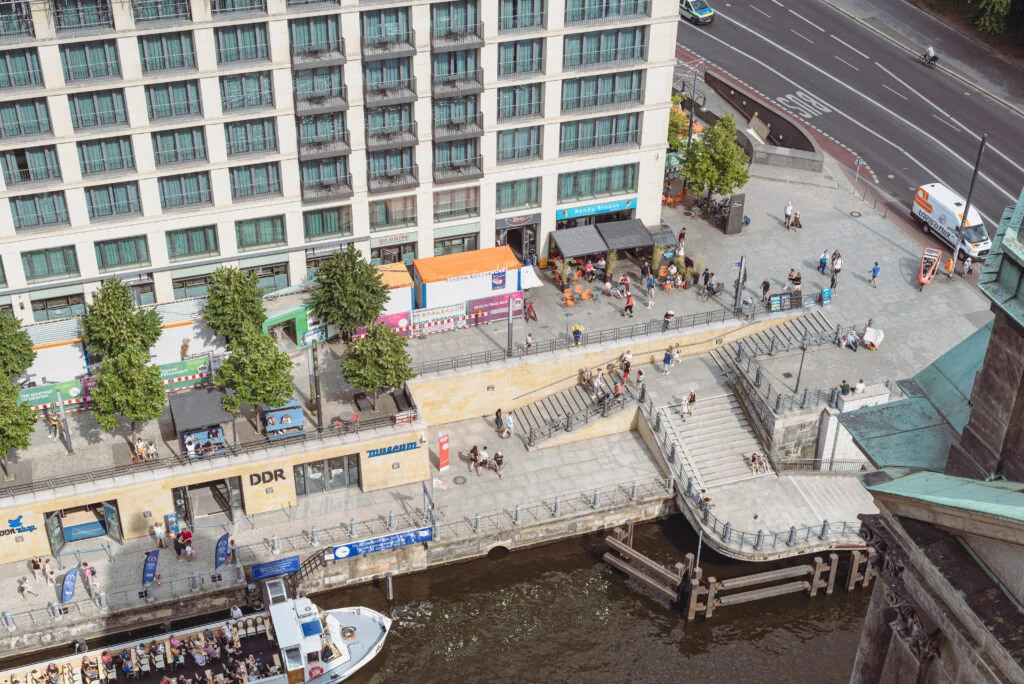
Located near the Spree River and close to other significant landmarks such as Museum Island and the Berlin Cathedral, the DDR Museum asserts a modest yet inviting presence. Upon arrival, visitors are usually greeted by glass and steel architecture that contrasts with the pre-modern facades surrounding it. The entrance area is designed to immediately communicate the essence of the museum’s mission—inviting curiosity while preserving a sense of authenticity. The lobby often features large photographic reproductions and emblematic objects reminiscent of East German life, setting the tone before one delves into the exhibition proper. The building itself manages to blend modernity with a hint of the period it represents, striking a balance between historical homage and contemporary museum design. Clear signage and staff presence help guide visitors efficiently to the ticket counters and cloakroom, ensuring a smooth start to the visit.
Highlights and Key Exhibitions
The DDR Museum’s main strength lies in its rich, detailed portrayal of everyday life within East Germany. The exhibitions are arranged thematically, covering key aspects such as home life, work, education, leisure, and the political mechanisms that shaped existence under the DDR regime. One of the most remarkable features is the reproduction of a typical DDR apartment, complete with authentic furnishings and everyday objects, allowing visitors to appreciate the intimate scale on which many aspects of life were confined. Interactive displays further enhance this experience, such as the opportunity to assemble consumer goods or navigate virtual spaces designed to mimic East Berlin streets.
A compelling part of the exhibition is dedicated to the complex relationship individuals had with the state. This section includes critical insight into the role of the Stasi, the secret police, and the pervasive nature of surveillance. Original documents, recordings, and artifacts deepen the understanding of the climate of suspicion and control that permeated the DDR.
Cultural exhibits highlighting music, sports, and youth organizations illustrate how the state sought to influence leisure and personal development. This holistic approach offers a rounded perspective, emphasizing not only repression but also resilience and community. The museum’s multimedia presentations are well-integrated and informative without overwhelming the narrative, providing context that enriches the overall experience.
Visitor Experience
The DDR Museum is renowned for its interactive and participatory approach, which distinguishes it from many traditional history museums. Visitors are encouraged to engage physically with the displays, making the exploration of the DDR’s social and political fabric more tangible and memorable. This approach appeals to a broad audience, including families, students, and history enthusiasts. The layout is intuitive, with clear pathways and multilingual interpretive materials, primarily in German and English, ensuring accessibility for international visitors.
Despite the interactive focus, some areas can feel crowded, especially during peak tourist seasons. At times, this may impact the intimacy of certain exhibits, particularly those designed for small groups or individual exploration. However, the museum compensates for this by offering ample seating and quieter zones to reflect and digest the information presented.
Staffed information points are scattered throughout, providing helpful insights and answers to queries, enhancing the educational component of the visit. In terms of amenities, the museum operates a small café and provides a well-stocked gift shop featuring books, souvenirs, and themed memorabilia related to the DDR era, allowing visitors to take a piece of history home.
Tickets, Access, and Planning
Ticketing is straightforward, with options available online and at the museum. Prices are reasonable, reflecting the museum’s public service orientation and accessibility goals. Discounts are offered for students, seniors, and groups, making it an attractive destination for educational trips as well as casual visits. The museum’s official website provides detailed information, including opening hours, ticket types, and any necessary visitor guidelines.
Accessibility has been thoughtfully addressed, with ramps and elevators facilitating barrier-free access to all exhibition spaces. Visual and audio aids are available for visitors with sensory impairments, reinforcing the museum’s commitment to inclusivity. The central location of the DDR Museum makes it easily reachable by public transportation, with nearby tram and bus stops and convenient connections from Berlin’s main train stations.
Planning a visit may benefit from allocating at least two hours to fully engage with the exhibitions. Given the museum’s proximity to other major cultural sites, it can be ideally combined with a broader day of exploring Berlin’s rich historical landscape.
Final Verdict
The DDR Museum Berlin offers an immersive, nuanced, and engaging exploration of East German life that complements the city’s extensive narrative of division and reunification. Its interactive exhibits and focus on everyday experiences provide a refreshing and accessible angle on a complex historical period, making it particularly valuable for those seeking a deeper understanding beyond broad political histories. While the museum occasionally faces challenges related to crowd density in popular sections, its well-organized layout, comprehensive coverage, and attentive staff largely mitigate these issues.
This museum stands out not merely as a repository of artifacts but as a dynamic space where history is felt and experienced rather than just observed. It invites reflection on themes of identity, surveillance, and resilience that remain relevant today. For visitors to Berlin interested in Cold War history, social history, or simply curious about life behind the Iron Curtain, the DDR Museum represents a highly worthwhile destination that enriches the overall cultural and historical fabric of the city.