Gemäldegalerie Berlin Review
Art Museums · Berlin, Germany. The Gemäldegalerie Berlin stands as one of the foremost art museums in Germany, renowned for its extensive collection of European paintings from the 13th to the 18th centuries. Its origins trace back to the…
Art Museums · Berlin, Germany. The Gemäldegalerie Berlin stands as one of the foremost art museums in Germany, renowned for its extensive collection of European paintings from the 13th to the 18th centuries. Its origins trace back to the…
Best forMasterpieces, architecture, cultural history
Review focusCollection highlights, building, visitor flow
Historical Context
The Gemäldegalerie Berlin stands as one of the foremost art museums in Germany, renowned for its extensive collection of European paintings from the 13th to the 18th centuries. Its origins trace back to the Prussian royal collection, which was gradually expanded and refined under the stewardship of dedicated curators and royal patrons. Following World War II, the collection underwent a period of displacement and restoration before finding its current home in the Kulturforum district of Berlin. The museum's architecture, a product of post-war modernism, was designed to provide optimal light and space for the appreciation of artworks, embodying a forward-looking spirit while paying homage to centuries of artistic tradition. The Gemäldegalerie serves not only as a repository of masterpieces by the likes of Rembrandt, Raphael, and Caravaggio but also as a reflection of European cultural and artistic evolution throughout several significant historical epochs.
What You See on Arrival
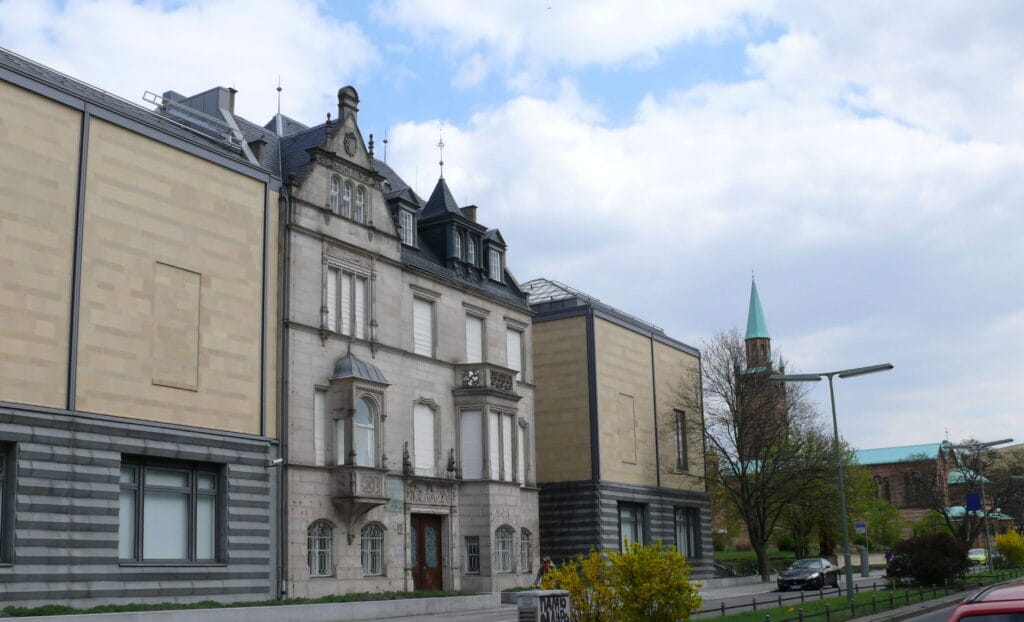
Arriving at the Gemäldegalerie, visitors immediately sense the gravity of an institution devoted to art history’s giants. The building itself is a striking example of mid-20th-century architecture, characterized by clean lines and a functional aesthetic that contrasts yet complements Berlin’s varied urban landscape. The entrance area is spacious and thoughtfully laid out, with clear signage guiding visitors efficiently toward ticketing and access points. The museum’s location in the Kulturforum is well integrated with other cultural landmarks, making it a natural stop for those seeking a comprehensive Berlin cultural experience. Upon entry, one encounters a serene and well-lit foyer that sets a contemplative tone, prefiguring the visual feast to come. The museum eschews ornate decorations in favor of subtle design choices that place the emphasis squarely on the artworks themselves.
Highlights and Key Exhibitions
The Gemäldegalerie’s permanent collection is the museum’s primary draw, boasting an unrivaled array of paintings that represent pivotal moments in European art history. The Italian Renaissance is well represented by masterpieces from Raphael and Titian, whose works demonstrate the period’s pioneering techniques in perspective, composition, and the portrayal of human form. Northern European art, particularly from the Dutch Golden Age, features prominently with masterpieces by Rembrandt, Vermeer, and Rubens. The depth of the collection in this area provides a rare opportunity to trace stylistic and thematic developments over an extended period. The museum also holds an impressive selection of German and Flemish painters, offering nuanced insight into the region’s artistic traditions.
Notable paintings, such as Caravaggio’s dramatic chiaroscuro compositions, highlight the museum’s capacity to showcase powerful storytelling through visual narrative. The presentation of these works is enhanced by careful curation that groups paintings according to schools and periods, allowing for an educational journey through time. While the museum’s strength lies in its permanent collection, it also features thematic displays and periodic reconfigurations that allow fresh perspectives on its holdings, though these are presented within the framework of the core collection rather than through temporary exhibits.
Visitor Experience
Visitor experience at the Gemäldegalerie is crafted with particular attention to the interaction between artwork and viewer. The lighting is subdued yet effective, designed to prevent glare and preserve the integrity of the paintings while allowing colors and details to emerge fully. Wall colors and mounting techniques are neutral, ensuring that nothing detracts from the visual impact of each piece. The gallery spaces are broad and uncluttered, encouraging leisurely exploration and contemplation.
The museum offers multilingual informational panels and guides, which add significant value by providing historical context, artistic analysis, and thematic connections without overwhelming the visitor. Seating areas are strategically placed, affording opportunities for rest and reflection amidst the gallery halls. Additionally, the museum is equipped with facilities such as restrooms, a café, and a well-stocked bookshop that caters to art aficionados and casual visitors alike.
While the museum may not provide the high-tech interactive experiences seen in some contemporary institutions, its straightforward approach aligns well with the contemplative nature of its collection. The atmosphere is conducive to both scholarly inquiry and the appreciation of beauty in its historical contexts.
Tickets, Access, and Planning
Planning a visit to the Gemäldegalerie involves straightforward steps facilitated by a robust online presence. Tickets can be purchased in advance via the museum’s official website, which also offers comprehensive information about opening hours, visitor guidelines, and available services. This pre-booking option is especially advisable during peak tourist seasons or when access is limited due to health regulations.
The museum is accessible by various forms of public transportation, including U-Bahn and bus lines, making it convenient for visitors staying in different parts of Berlin. For those arriving by car, nearby parking options exist but may require advance planning given Berlin’s urban layout. The building is designed with accessibility in mind, featuring wheelchair ramps and lifts, as well as accommodations for visitors with reduced mobility.
Visitor information includes guidance on photography policies, cloakroom services, and the availability of guided tours. Family-friendly provisions are in place, though the collection’s nature may appeal more to older children and adults. The museum’s location within the Kulturforum allows visitors to efficiently combine their visit with other cultural institutions nearby, planning a full day of enriching activities.
Final Verdict
The Gemäldegalerie Berlin stands as a beacon for lovers of classical European painting, distinguished by its depth, quality, and thoughtful presentation. Its focus on works from the medieval period through to the 18th century situates it as an essential destination for those seeking a comprehensive understanding of European art history. The museum’s architecture and spatial configuration support an immersive and focused experience that respects the integrity of the artworks.
While it may lack some of the modern interactive elements that increasingly populate museum experiences today, its core strength remains in its collection’s scholarly rigor and timeless appeal. The institution strikes an admirable balance between educational enrichment and aesthetic enjoyment, making it accessible to a wide audience, from casual visitors to dedicated art historians.
Planning a visit is facilitated by clear communication and good accessibility, further enhancing its appeal to an international clientele. Located within Berlin’s renowned cultural quarter, the Gemäldegalerie offers more than just a glimpse into art history; it provides a thoughtful journey through centuries of cultural achievement. As such, it is a must-visit for anyone seeking to deepen their appreciation of Europe’s artistic heritage in one of its most dynamic cities.