mumok Review
Art Museums · Vienna, Austria. mumok, situated in Vienna, Austria, stands as a pivotal institution in the landscape of modern and contemporary art. Established in 2001, the museum emerged from the earlier collections of the Museum Moderner Kunst Stiftung…
Art Museums · Vienna, Austria. mumok, situated in Vienna, Austria, stands as a pivotal institution in the landscape of modern and contemporary art. Established in 2001, the museum emerged from the earlier collections of the Museum Moderner Kunst Stiftung…
Best forMasterpieces, architecture, cultural history
Review focusCollection highlights, building, visitor flow
Historical Context
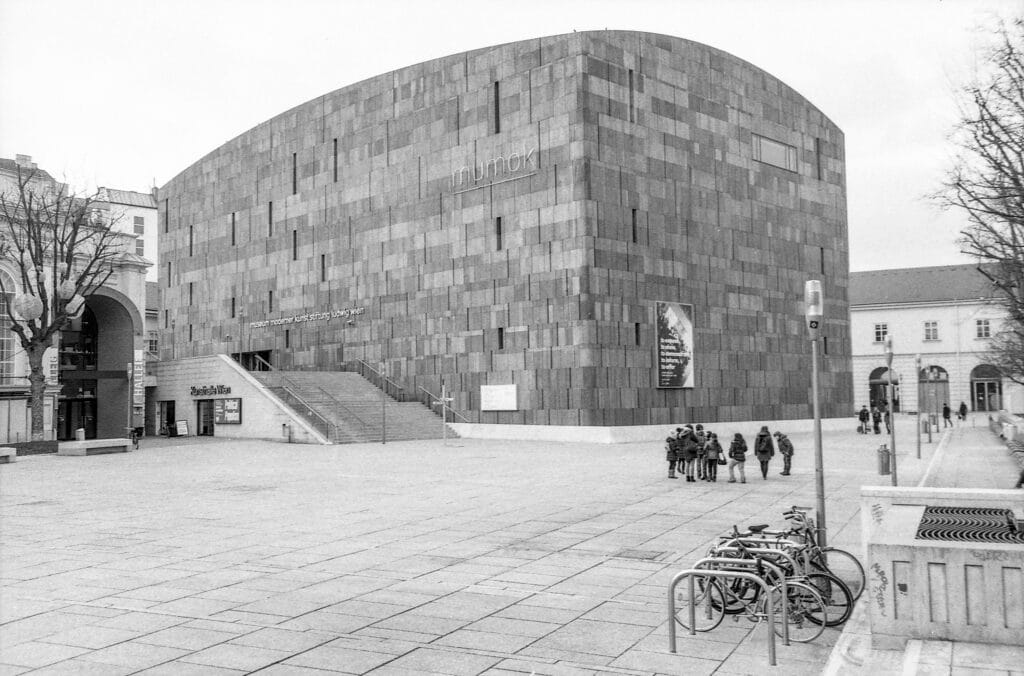
mumok, situated in Vienna, Austria, stands as a pivotal institution in the landscape of modern and contemporary art. Established in 2001, the museum emerged from the earlier collections of the Museum Moderner Kunst Stiftung Ludwig Wien, founded in 1962 by visionary collectors Peter and Irene Ludwig. This foundation sought to introduce the Viennese public to avant-garde international art movements, emphasizing artworks of the 20th and 21st centuries. Building on Vienna’s rich cultural and artistic heritage, mumok has since cemented its reputation as one of Central Europe's leading venues for modern art, encapsulating a diverse range of mediums, styles, and movements. The museum’s architecture, a striking example of brutalist design, reflects its bold commitment to embracing innovation and challenging conventions in art. Over the years, mumok has played an essential role in fostering an understanding of key artistic developments across multiple decades, positioning contemporary discourse within both local and global contexts.
What You See on Arrival
Visitors approaching mumok are immediately met with a distinctive architectural presence that contrasts with the surrounding historic buildings of the MuseumsQuartier complex in central Vienna. The museum's imposing facade, constructed largely of dark basalt stones, sets a serious, contemplative tone. Upon entering, one is greeted by an open, well-lit lobby that balances the heavy exterior with fluidity and spatial openness. The museum’s layout prioritizes clarity and accessibility, easing the visitor’s journey through its varied exhibitions. Temporary and permanent exhibitions share the gallery space in a manner that feels curated but not overwhelming. The clarity in signage aids navigation, and numerous seating areas afford moments for rest and reflection. Contemporary artworks greet visitors almost immediately, often integrating multimedia and sculpture in their installation, hinting at the museum’s wide-ranging collection.
Highlights and Key Exhibitions
mumok boasts a broad and impressive collection that is firmly anchored in European and American 20th-century modernism and extends into contemporary art practices. Among the highlights is a comprehensive display of Pop Art, emphasizing figures such as Andy Warhol and Roy Lichtenstein, exhibiting the movement’s critique of consumer culture with vibrancy and often ironic humor. The museum also champions European post-war movements, such as Viennese Actionism, with works by Günter Brus and Hermann Nitsch, which provoke and challenge conventional perceptions of art's role in society. Visitors will find poignant examples of Fluxus, minimalism, and conceptual art throughout the galleries. Furthermore, mumok excels in presenting works that foreground the dialogue between Viennese modernist traditions and the international art scene. Its collection of contemporary pieces demonstrates a commitment to interdisciplinary approaches and a keen interest in new media and experimental forms. The museum’s holdings provide not only historical insights but also stimulate contemporary conversations, making it a dynamic institution within the global museum network.
Visitor Experience
mumok’s visitor experience is thoughtfully constructed to engage a diverse audience, from seasoned art enthusiasts to casual visitors. The museum offers a range of educational programs, guided tours, and workshops designed to deepen understanding of the exhibitions. The staff is often praised for their professionalism and expertise, providing helpful insights when requested. The spatial design promotes an intuitive flow from one exhibition to another, allowing plenty of room for contemplation. Audio guides and printed materials are usually available in several languages, accommodating international visitors. However, the museum’s focus on modern and contemporary art, sometimes heavily conceptual, can present challenges for those less familiar with these genres. Some visitors might find the art provocative or abstract, making it beneficial to engage with supplementary educational resources offered by mumok. Additionally, the museum’s cafeteria and bookshop provide pleasant spaces to unwind and extend the visit beyond pure visual engagement.
Tickets, Access, and Planning
The practical aspects of visiting mumok are efficiently managed, with ticket prices reasonable in line with comparable institutions across Austria and Europe. Discounts are commonly offered for students, seniors, and groups, and there are specific days where entry may be free or reduced, encouraging greater accessibility. The museum is located in the MuseumsQuartier, which is well served by public transportation, including trams and the U-Bahn, making it accessible for both locals and tourists. For visitors arriving by car, parking options nearby are limited, reflecting the central urban setting. mumok addresses accessibility concerns through wheelchair-friendly entrances and elevators, ensuring the museum can be explored by individuals with mobility needs. The official website provides detailed information regarding opening hours, current exhibitions, and educational offerings, facilitating comprehensive planning in advance. While no food is allowed in the exhibition spaces, the adjacent cafés and restaurants in the MuseumsQuartier offer convenient alternatives for refreshments and socializing.
Final Verdict
mumok stands as a cornerstone of Vienna’s vibrant cultural scene, offering a rich, thoughtfully curated collection that encapsulates the evolution of modern and contemporary art over the past century. Its commitment to highlighting both international and Vienna-based artists creates a compelling dialogue that contextualizes global artistic currents within the city’s unique cultural fabric. The museum’s architectural boldness, paired with its clear and purposeful interior design, presents art in a setting that enhances both viewing and contemplation. Visitors seeking to delve into the complexities of 20th and 21st-century artistic expressions will find mumok an invaluable resource, while those new to such art may appreciate its educational programming that aids understanding without detracting from the art itself. Some might regard the work on display as challenging or esoteric, but this is part of the museum’s appeal—stimulating curiosity and critical reflection. In sum, mumok is a must-visit for anyone interested in the trajectory of modern art and its contemporary manifestations, delivering an intellectually satisfying experience enlivened by its location in one of Europe’s great cultural capitals.