MAAT Review
Art Museums · Lisbon, Portugal. The Museum of Art, Architecture and Technology, known as MAAT, is a prominent cultural institution located in Lisbon, Portugal. Established in 2016, MAAT is situated along the Tagus River in the Belém district, a…
Art Museums · Lisbon, Portugal. The Museum of Art, Architecture and Technology, known as MAAT, is a prominent cultural institution located in Lisbon, Portugal. Established in 2016, MAAT is situated along the Tagus River in the Belém district, a…
Best forMasterpieces, architecture, cultural history
Review focusCollection highlights, building, visitor flow
Historical Context
The Museum of Art, Architecture and Technology, known as MAAT, is a prominent cultural institution located in Lisbon, Portugal. Established in 2016, MAAT is situated along the Tagus River in the Belém district, a historically significant area renowned for its maritime heritage and architectural landmarks. The museum emerged as a contemporary complement to Lisbon’s rich tradition of arts and historical preservation, embracing a multidisciplinary ethos that interweaves visual arts, architecture, and technological innovation. Its creation reflects Portugal’s efforts to position itself as a forward-thinking hub within the European cultural landscape, promoting conversations about the relationship between art and the rapidly evolving global environment. Rooted in a commitment to exploring contemporary issues, MAAT emphasizes artistic experimentation and critical dialogue, making it a vital space for both local and international audiences interested in the intersections between creativity, design, and societal transformation. The institution’s distinctive architectural design, coupled with its mission, reinforces its role as a beacon of modern cultural expression within an ancient cityscape.
What You See on Arrival
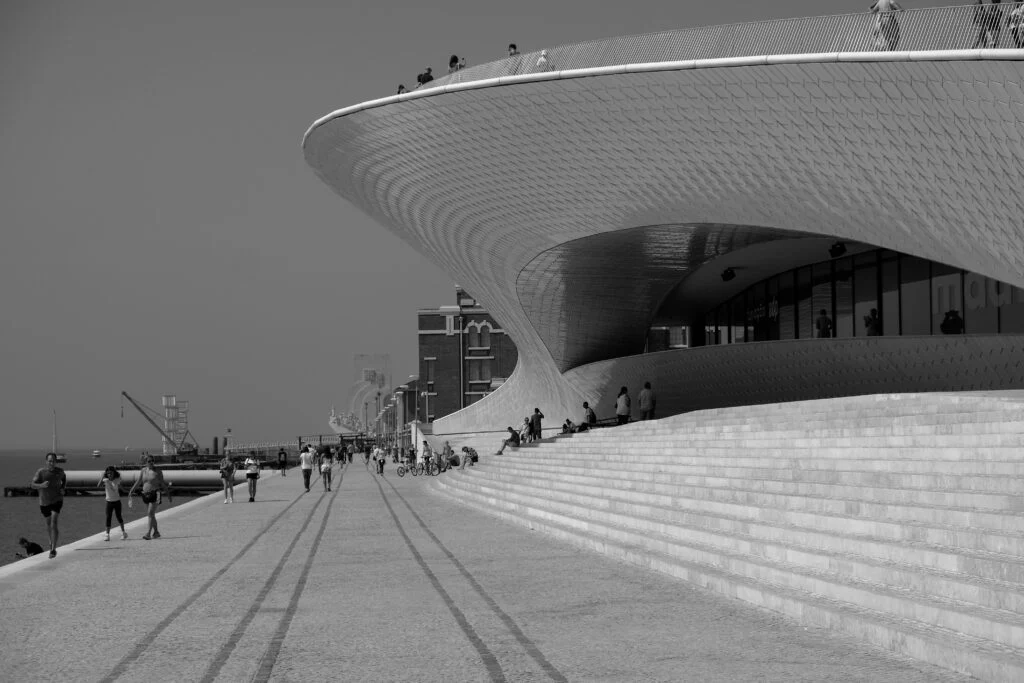
Upon approaching the MAAT, visitors are immediately struck by the museum’s striking and unconventional architectural form. The building is a sculptural presence on the Lisbon waterfront, characterized by a flowing, wave-like facade that seamlessly integrates with its surroundings. The structure, designed with an emphasis on fluidity and openness, invites engagement with the urban horizon and the river itself. The exterior steps leading up to the roof create a public walkway, further blurring the line between building and environment and offering expansive views of the Tagus River and the city skyline. This exterior space functions as an extension of the museum, transforming arrival into an immersive experience. The immediate visual impact of the site sets the tone for the museum’s thematic focus: an exploration of contemporary art in relation to space, movement, and technology. Nearby, the traditional MAAT power station building, repurposed as part of the institution, offers a contrast between industrial heritage and modern design, adding depth to the visitor’s first impression.
Highlights and Key Exhibitions
MAAT’s programming is noted for its commitment to multidisciplinary exhibitions that merge contemporary art, innovative architectural concepts, and emergent technological practices. The permanent collection is supplemented by temporary exhibitions, showcasing a diverse array of artists from Portugal and beyond. Visitors can expect to encounter conceptual installations, media art, and interactive displays that challenge conventional museum presentation formats. One highlight is the museum’s emphasis on sustainability and environmental themes, which resonate throughout many exhibitions, reflecting current global conversations. This focus is aligned with MAAT’s mission to engage with social and ecological issues through the lens of creative inquiry. The exhibitions regularly incorporate site-specific works that dialogue with the museum’s unique setting on the riverfront. Additionally, architectural models, digital art, and video installations often feature prominently, underscoring the museum’s interdisciplinary ambition. The thoughtful curation successfully balances innovative contemporary productions with educational components, making complex themes accessible without diluting their intellectual substance.
Visitor Experience
The experience of visiting MAAT is designed to be both intellectually stimulating and sensorially engaging. The building’s fluid layout encourages exploration, with galleries arranged to foster a natural flow between different art forms and thematic focuses. The public rooftop terrace acts as a social space for contemplation and observation, providing a destination beyond traditional exhibition halls. Inside, the lighting and spatial design enhance the presentation of works, ensuring that technical media and contemporary installations are viewed in optimal conditions. Visitor amenities include a well-appointed café and a bookshop offering a selection of publications related to the museum’s content. The museum’s educational programming supports ongoing engagement through workshops, lectures, and community events aimed at an array of age groups and interests. However, the museum’s unconventional architecture, while stunning, may challenge certain visitors, particularly those with mobility concerns, due to sloping surfaces and less traditional navigational routes. Staff presence throughout the galleries is reported to be attentive and informative, contributing positively to the overall experience.
Tickets, Access, and Planning
MAAT has made accessibility and visitor convenience a priority, offering clear guidance on ticketing and opening hours through its official communication channels. Admission prices are structured to accommodate locals and tourists alike, with discounts available for students, seniors, and groups. Entry to some public spaces, such as the rooftop walkway, may be free of charge, providing access to key architectural features without the need for an all-encompassing ticket. The museum’s location in Belém is well served by public transportation options, including trams, buses, and river taxis, facilitating easy access from the city center. For those choosing to drive, parking options exist but can be limited during peak tourist seasons. Informative signage and wayfinding inside the museum support self-directed visits, although guided tours are available for visitors seeking deeper contextual information. Planning a visit benefits from checking MAAT’s official website for up-to-date details on current exhibitions, opening days, and any special events that could impact access or provide added value to the visit.
Final Verdict
MAAT stands as a compelling example of innovative museum practice that deftly combines architectural ambition with forward-thinking cultural programming. It successfully navigates the challenges of presenting contemporary art, architecture, and technology in ways that resonate locally and globally, offering visitors a multifaceted and thought-provoking experience. The museum’s seamless integration into the historic Belém district and its riverfront location allow it to engage meaningfully with Lisbon’s heritage while projecting a distinct vision of the future. Its commitment to environmental and social themes lends relevance and urgency to its exhibitions, encouraging reflection on critical contemporary issues. While the building’s distinctive design may present minor accessibility challenges, these are mitigated by supportive amenities and staff. MAAT is a valuable destination for an audience interested in cutting-edge visual culture and progressive museology, making it a noteworthy addition to Lisbon’s rich array of cultural institutions and a significant player within the broader European museum landscape.