Treblinka Museum Review
Memorial Museums · Treblinka, Poland. The Treblinka Museum, located in Treblinka, Poland, serves as a solemn memorial and educational site dedicated to one of the most harrowing chapters of human history. The museum commemorates the Treblinka extermination camp, where,…

Memorial Museums · Treblinka, Poland. The Treblinka Museum, located in Treblinka, Poland, serves as a solemn memorial and educational site dedicated to one of the most harrowing chapters of human history. The museum commemorates the Treblinka extermination camp, where,…
Best forScience, technology, hands-on learning
Review focusExhibits, interpretation, visitor flow
Historical Context
The Treblinka Museum, located in Treblinka, Poland, serves as a solemn memorial and educational site dedicated to one of the most harrowing chapters of human history. The museum commemorates the Treblinka extermination camp, where, during World War II, hundreds of thousands of victims of the Holocaust, primarily Polish Jews, were systematically murdered by Nazi forces. Established to ensure that the atrocities committed on these grounds are neither forgotten nor repeated, the museum situates itself as a crucial part of Holocaust remembrance and education. It not only honors the memory of the victims but also offers historical insights into the broader framework of Nazi genocide. The museum’s narrative is built upon survivor testimonies, wartime documentation, and archaeological research, all aimed at preserving a factual and respectful account of the events that transpired. It stands today not merely as a museum but as a place of reflection, mourning, and education, emphasizing the importance of human rights and the dangers of hatred and intolerance.
What You See on Arrival
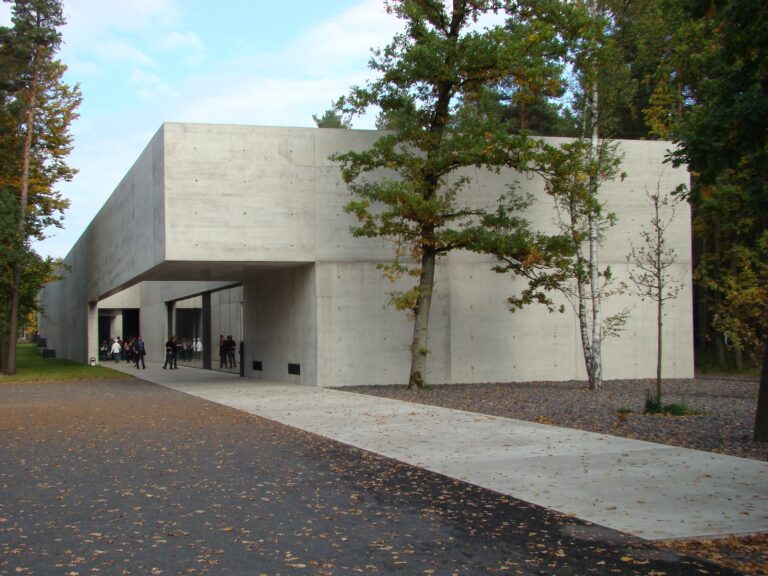
Approaching the Treblinka Museum, visitors are met with a landscape marked by poignant minimalism and remembrance. The physical surroundings immediately convey a sense of solemnity and reflection. The museum’s design is deliberately restrained, eschewing grandiosity in favor of an environment that promotes contemplation. The entrance opens onto expansive grounds dotted with memorial markers and symbolic structures that evoke the magnitude of loss experienced here. The layout is straightforward yet purposeful, guiding visitors from the entrance through carefully curated points of remembrance and historical interpretation. There is little in the way of distracting embellishments; rather, the focus remains firmly on the gravity of the narrative being told. The atmosphere is tranquil, marked by the quiet presence of nature reclaiming the space where such unspeakable horrors took place. Signage is clear and respectful, providing context without overwhelming the visitor at the outset.
Highlights and Key Exhibitions
The core of the Treblinka Museum’s appeal lies in its commitment to historical accuracy and emotional resonance. The exhibitions strive to balance the presentation of factual information with a poignant homage to the victims. Central to this is the extensive use of photographs, documents, and personal accounts which collectively paint a detailed picture of the camp’s operation and its impact. One of the key features is the detailed layout of the camp itself, reconstructed through archaeological evidence and survivor testimony, enabling visitors to grasp the scale and systematic nature of the extermination process. Memorials and monuments within the museum grounds serve as focal points for reflection, honoring the individuals whose lives were extinguished here. The museum also provides access to scholarly research and educational material that outlines the historical context of the Holocaust in Poland. The exhibits do not shy away from the brutality inflicted but maintain a careful balance, ensuring that the presentation is dignified rather than sensationalized.
Visitor Experience
The visitor experience at the Treblinka Museum is deeply contemplative and often emotionally challenging. The museum encourages visitors to engage thoughtfully with the material presented, fostering a somber mood conducive to personal reflection. The layout facilitates a chronological and thematic progression, allowing visitors to develop a layered understanding as they move through different exhibition areas. The absence of excessive explanatory text and multimedia distractions emphasizes personal engagement with the physical artifacts and memorials. Staff members and guides, where available, are knowledgeable and sensitive to the weight of the museum’s subject matter. However, potential visitors should be prepared for an emotionally intense experience; the museum’s strength lies in its unflinching honesty about the horrors of genocide. There are resting points and quiet areas strategically placed for contemplation and decompression. Educational groups and those with a specific interest in Holocaust studies will find the museum an invaluable resource, though the general public will also come away with a profound awareness of history.
Tickets, Access, and Planning
Admission to the Treblinka Museum is generally affordable, reflecting its status as a memorial and educational institution. Visitors are encouraged to check the official website for the most current information regarding opening hours, ticket prices, and any visitor protocols that may be in place due to seasonality or public health concerns. The museum is accessible by road from major cities in Poland, with available parking facilities for those arriving by car. Public transportation options exist but may require some advance planning due to the museum’s location outside urban centers. Accessibility for visitors with mobility issues has been addressed thoughtfully, though the outdoor nature of much of the site and uneven terrain in certain areas may present challenges. It is advisable to allocate several hours for a full visit, allowing time to absorb the exhibitions, monuments, and the surrounding environment. Guided tours can enhance the experience, providing additional context unavailable from the displays alone. Visitors should also consider dress and footwear appropriate for outdoor walking and varying weather conditions.
Final Verdict
The Treblinka Museum stands as an essential destination for anyone seeking to understand the depth of the Holocaust’s atrocities and the specific history of the Treblinka extermination camp. Its restrained design, careful curation, and respectful presentation make it a venue more for reflective remembrance than for casual tourism. While the subject matter is undeniably difficult, the museum succeeds in educating visitors without resorting to sensationalism, ensuring that the tragedy is honored with the gravity it deserves. It is a place where history and memory intersect, providing a powerful reminder of the consequences of hatred and the importance of vigilance against intolerance. For historians, educators, students, and the broader public interested in Holocaust studies or World War II history, the Treblinka Museum offers an invaluable, if sobering, experience. Its clear commitment to preserving memory and fostering understanding positions it as a vital institution not only within Poland but globally.