Asian Civilisations Museum Review
World History Museums · Singapore, Singapore. The Asian Civilisations Museum (ACM) in Singapore is a cultural institution dedicated to preserving and showcasing the rich and diverse heritage of Asia’s many civilizations. Established in 1997, the museum reflects Singapore’s uniqu…
World History Museums · Singapore, Singapore. The Asian Civilisations Museum (ACM) in Singapore is a cultural institution dedicated to preserving and showcasing the rich and diverse heritage of Asia’s many civilizations. Established in 1997, the museum reflects Singapore’s uniqu…
Best forScience, technology, hands-on learning
Review focusExhibits, interpretation, visitor flow
Historical Context
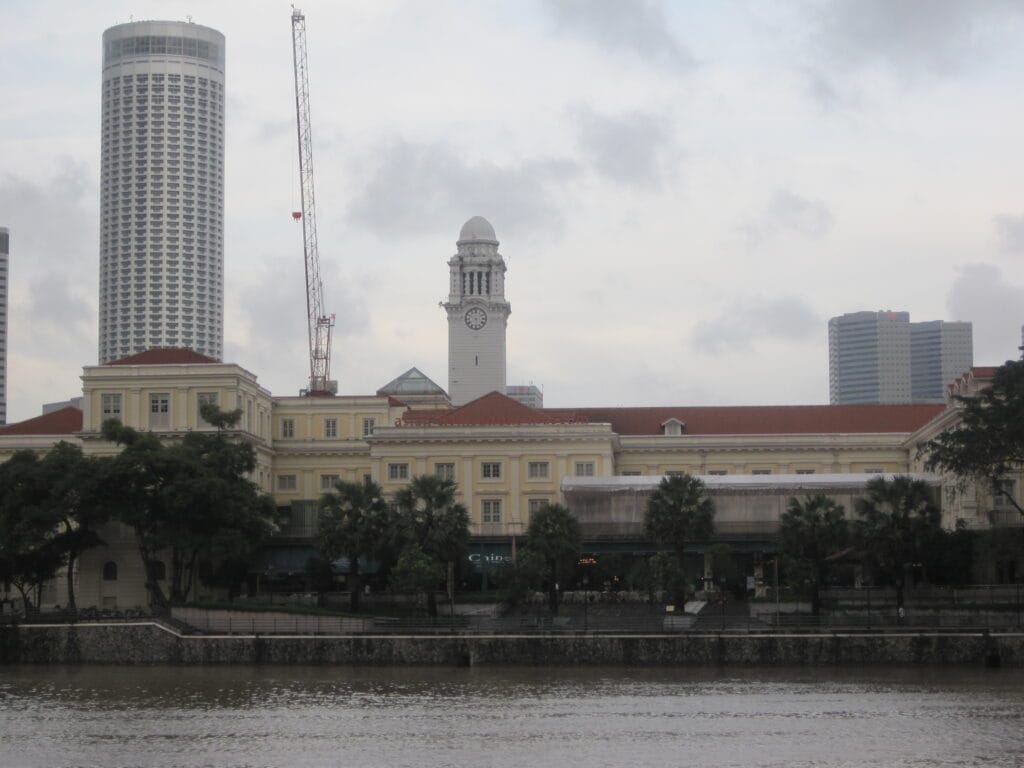
The Asian Civilisations Museum (ACM) in Singapore is a cultural institution dedicated to preserving and showcasing the rich and diverse heritage of Asia’s many civilizations. Established in 1997, the museum reflects Singapore’s unique position as a global crossroads of trade, migration, and cultural exchange. Its collections focus predominantly on the ancestral cultures that have shaped the region, including Chinese, Southeast Asian, South Asian, and West Asian traditions. The museum’s founding mission was to provide an educational platform for understanding the historical connections and cultural influences that have contributed to the development of Asia, and by extension, Singapore itself. Housed in a meticulously restored colonial-era building by the Singapore River, the institution’s architecture also narrates Singapore’s layered history — a testament to colonial legacy and post-independence cultural pride. Over the decades, the Asian Civilisations Museum has grown into a key cultural landmark in Singapore, fostering deeper appreciation for Asia’s complex history through art, artifacts, and scholarship.
What You See on Arrival
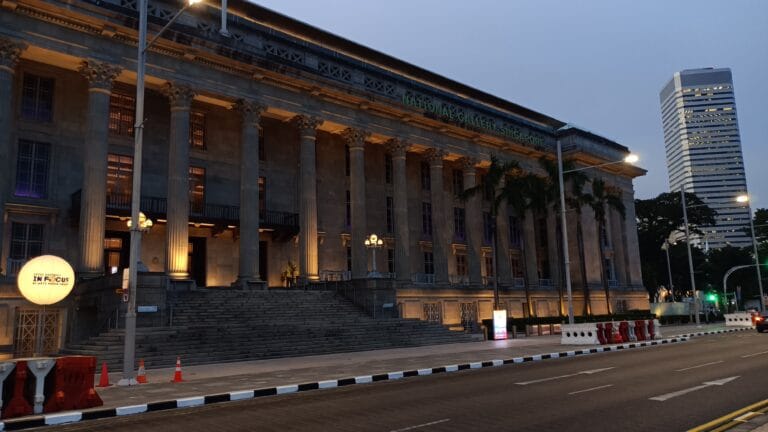
Upon arrival, visitors are greeted by the museum’s striking neoclassical facade, a remnant of Singapore’s colonial past and a striking contrast to the city’s contemporary skyline. The building’s whitewashed walls, tall columns, and grand entrance reflect its historic significance, creating an inviting atmosphere that appears both formal and accessible. The surrounding urban landscape provides a scenic backdrop, with the nearby Singapore River adding a sense of place and perspective. Approaching the museum, signage and outdoor informational panels offer introductory insights into the institution’s focus on Asian civilizations, setting the tone for the educational journey within. Visitors can also appreciate the blend of old and new elements in the museum’s architecture and landscape design, which hints at the varied periods and cultures represented inside. The entrance lobby provides a spacious and well-lit environment with clear signage directing visitors to ticket counters, galleries, and amenities. Overall, the arrival experience frames the museum as a gateway to Asia’s cultural past, equally resonant with history enthusiasts, families, and tourists.
Highlights and Key Exhibitions
The Asian Civilisations Museum’s collection is notably broad, spanning vast geographical regions and multiple millennia. Among the standout highlights are the exquisite Chinese ceramics, which trace the evolution of pottery and porcelain techniques from early dynasties through to the Qing era. These objects testify to China’s artistic and technological prowess and trade networks that extended throughout Asia and beyond.
Southeast Asian artifacts offer profound insights into regional cultures, featuring items such as textiles, jewelry, and religious icons that illustrate traditional beliefs and social structures. Particularly impressive are the gold ornaments and ritual objects from the Malay world and the Indonesian archipelago, which reveal a cosmopolitan interplay of indigenous and foreign influences.
South Asian treasures within the museum highlight Hindu and Buddhist art forms, including statues, temple carvings, and manuscripts that emphasize spiritual traditions and philosophical ideas that spread across the continent.
One of the museum’s more recent expansions incorporates a significant collection of Islamic art, with intricate calligraphy, textiles, and ceramics that demonstrate the diverse artistic expressions within West Asia and Southeast Asia’s Muslim communities.
The museum also provides thematic displays on trade and migration, showing how the interactions between these regions have shaped cultural, economic, and social dynamics throughout history. Permanent exhibitions are thoughtfully curated to provide narrative cohesion, exploring themes such as identity, faith, and artistic innovation, while allowing individual objects to speak to both their historical and artistic value.
Visitor Experience
The Asian Civilisations Museum offers a largely engaging visitor experience, balancing educational content with aesthetic presentation. Galleries are well-lit and spacious, enhancing the display of delicate artifacts that require careful conservation environments. Informational plaques are concise yet informative, providing context without overwhelming the viewer. Additionally, multimedia displays and interactive elements contribute to a more immersive understanding of complex histories and cultural links.
The museum caters to a wide audience, from scholars to families, with guided tours, audio guides, and workshops that enhance the learning process. The staff are generally knowledgeable and approachable, ready to assist visitors seeking further explanations.
That said, certain areas might benefit from updated interpretive materials or additional multilingual support to fully accommodate the museum’s diverse international audience. The layout is mostly intuitive, although some visitors might find the transition between thematic galleries slightly abrupt, with opportunities for improved wayfinding and flow.
The museum also hosts regular cultural events and educational programs that complement the collections, providing dynamic opportunities to deepen engagement beyond passive viewing.
Tickets, Access, and Planning
Ticketing at the Asian Civilisations Museum is straightforward, with an accessible pricing structure that offers concessions to students, seniors, and local residents. Entry fees are reasonable, considering the quality and breadth of the collections. Timely and updated information regarding opening hours, special events, and admission policies is readily available through the museum’s official website.
The museum is conveniently located in central Singapore, easily reachable via public transport, including nearby MRT stations and bus routes. For visitors arriving by car, parking is facilitated in adjacent public garages, although availability can vary during peak periods. The building is fully wheelchair accessible, featuring ramps, elevators, and adapted restrooms, ensuring inclusivity for visitors with mobility challenges.
Additional facilities such as a museum café, gift shop, and educational resource center contribute to a full day of cultural exploration. However, during busy weekends or holidays, the museum may experience increased visitor traffic, which could slightly impact the leisurely pace typically desired for in-depth viewing.
Advance planning is recommended to allow sufficient time to explore the extensive collection and associated activities fully. Special exhibitions and temporary displays are occasionally announced through the museum’s digital channels, offering added reasons to return for repeat visits.
Final Verdict
The Asian Civilisations Museum stands as a prominent cultural institution in Singapore, offering a comprehensive and nuanced exploration of Asia’s multifaceted history through its well-curated collections. Its strengths lie in its geographic and thematic diversity, thoughtful presentation, and role in fostering cross-cultural understanding in a globalized world. While minor improvements in interpretative support and visitor flow could enhance the overall experience, the museum remains a vital educational and cultural resource.
For those with interests in Asian art, history, and cultural exchange, the museum provides a richly rewarding experience that balances scholarly depth with broad accessibility. Visitors can expect to gain new perspectives on the intricate web of connections between civilizations that continue to shape Asia’s present and future identities.
In sum, the Asian Civilisations Museum is well worth inclusion on the itinerary of anyone seeking to understand the cultural heritage of Asia, whether visiting Singapore for the first time or returning to deepen prior knowledge. Its blend of historical significance, aesthetic accomplishment, and public engagement secures its status as a must-visit destination in the region’s vibrant museum landscape.