Australian War Memorial Review
Military Museums · Canberra, Australia. The Australian War Memorial, located in Canberra, stands as a profound national institution dedicated to commemorating the service and sacrifice of Australian armed forces throughout the country’s history. Established in 1941, the Memorial…
Military Museums · Canberra, Australia. The Australian War Memorial, located in Canberra, stands as a profound national institution dedicated to commemorating the service and sacrifice of Australian armed forces throughout the country’s history. Established in 1941, the Memorial…
Best forMasterpieces, architecture, cultural history
Review focusCollection highlights, building, visitor flow
Historical Context
The Australian War Memorial, located in Canberra, stands as a profound national institution dedicated to commemorating the service and sacrifice of Australian armed forces throughout the country’s history. Established in 1941, the Memorial represents a purposeful synthesis of a shrine, a museum, and an archive dedicated to fostering public understanding and remembrance of war’s profound impact on the nation and its people. Its inception was deeply rooted in the collective memory of World War I, a devastating conflict that shaped Australia’s emerging national identity. Subsequently, the Memorial has expanded its remit to encompass the service of Australians in subsequent conflicts, including World War II, the Korean War, the Vietnam War, and modern peacekeeping and coalition operations. The Australian War Memorial serves not only as a place of solemn commemoration but also as an educational resource, providing insight into the complexities of warfare and its enduring personal, social, and political consequences, thereby bridging past and present in a manner that encourages reflection, respect, and understanding.
What You See on Arrival
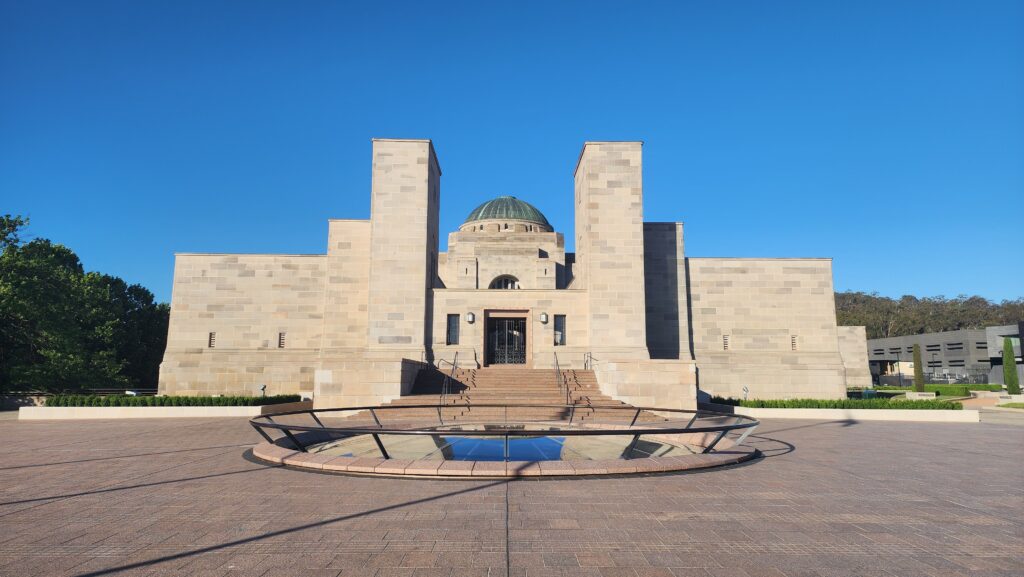
Approaching the Australian War Memorial, visitors are immediately struck by the building’s imposing yet elegant architectural design. Situated on a gentle rise at the northern end of Anzac Parade, the memorial offers commanding views of Canberra’s cityscape, reinforcing its symbolic prominence. The exterior is characterized by a classical façade, with stone cladding and stately columns that imbue the structure with a sense of gravitas befitting its commemorative purpose. At the entrance, one encounters the Pool of Reflection, a tranquil and somber water feature that sets a contemplative tone upon arrival. The foreground is dominated by memorial gardens and various statues, each commemorating different aspects or theatres of Australian military involvement. Visible from this vantage point is the iconic Shrine within the building, crowned by a golden dome that is a focal point for both visitors and the surrounding landscape. The setting, imbued with symbolism and solemnity, encourages visitors to prepare for an experience that reveres sacrifice while also engaging the intellect and emotions.
Highlights and Key Exhibitions
The Australian War Memorial houses an extensive collection and a series of exhibitions that collectively convey the multifaceted narratives of Australia’s military history. One of the institution’s core features is the Commemorative Area, encompassing the Hall of Memory and the Tomb of the Unknown Australian Soldier. The Hall of Memory, with its stained glass windows and mosaic ceiling, is a majestic space designed for quiet reflection. The Tomb of the Unknown Soldier beneath it is a poignant symbol of the countless unnamed who have given their lives in service.
The Galleries present a chronological and thematic exploration of Australian military involvement. The First World War Gallery notably offers a comprehensive portrayal of Australia’s participation, combining personal stories, uniforms, weaponry, photographs, and official documents. Strategically curated exhibits provide visitors with an immersive understanding of the conflict’s scale and human cost. Exhibits on the Second World War similarly balance detailed military history with human narratives of courage, endurance, and tragedy.
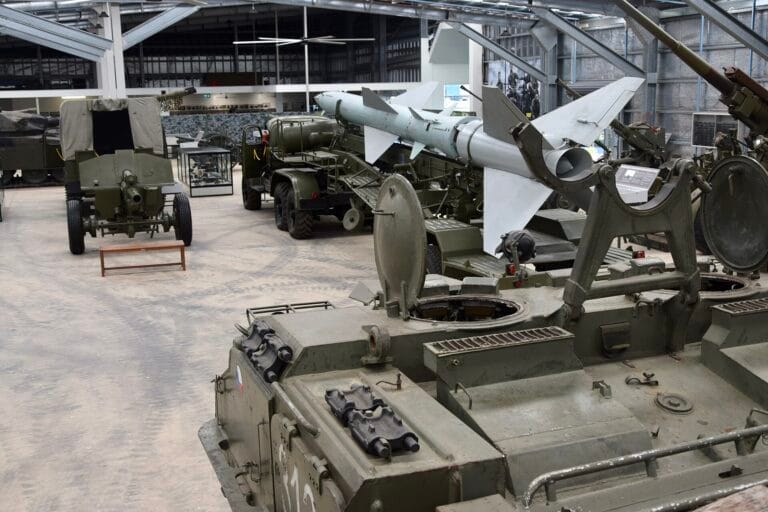
Elsewhere, the Memorial’s collection includes impressive displays of military hardware, from aircraft and vehicles to artillery pieces, contextualized with interpretative material that explains their historical roles. The Memorial also integrates digital and audio-visual resources effectively, allowing for deeper engagement with stories of veterans and battlefront experiences. Above all, the diversity of the exhibitions promotes an understanding of war beyond statistics, highlighting the social and political implications and the lasting impact on veterans and their families.
Visitor Experience
The Australian War Memorial is designed to accommodate a broad audience, from scholars and military enthusiasts to families and those seeking a moment of reflection. Its layout guides visitors naturally from the exterior contemplative spaces through to more detailed galleries inside, creating a layered experience of emotional reflection and intellectual engagement. Informative signage and multimedia guides enhance the narrative flow, catering to various ages and interests. The solemn tone is maintained throughout, though balanced by moments of educational stimulation and interactive engagement.
The Memorial’s educational programs and guided tours, while not obligatory, provide valuable additional context and convey the human stories inseparable from the broader historical events on display. Accessibility is thoughtfully considered, with wheelchair-friendly routes and services available to ensure inclusivity. On-site facilities include a café that offers respite and a bookstore with a wide selection of literature on military history and Australian heritage.
Despite its sometimes heavy subject matter, the Memorial avoids a purely mournful atmosphere. Instead, it invites visitors to understand the complexities of war, the evolution of national identity, and the importance of remembrance in forging communal bonds. However, some visitors might find the content intense or challenging, underscoring the importance of self-paced exploration and reflection.
Tickets, Access, and Planning
Admission to the Australian War Memorial is free of charge, reflecting its role as a national institution dedicated to public education and commemoration. This accessibility encourages both local and international visitors to engage with Australia’s military heritage without financial barrier. The Memorial is open daily, with specific opening hours available on its official website, which also provides up-to-date information on guided tours, educational resources, and any changes due to public health considerations or maintenance.
Located approximately 8 kilometers north of Canberra’s city center, the Memorial is accessible by car, taxi, and public transportation. Ample parking is available on-site, although staying informed about peak visiting times can enhance convenience. For international visitors, the location nearby other national institutions along Anzac Parade offers an opportunity to integrate the visit into a broader cultural itinerary.
Photographic policies allow for non-commercial photography in most areas, but restrictions apply in certain galleries, especially where sensitive archival material or privacy considerations arise. Visitors are advised to check the website before arrival to plan accordingly.
Final Verdict
The Australian War Memorial stands as a poignant and meticulously curated institution that honors Australia’s military history with dignity, depth, and respect. It effectively balances the roles of memorial and museum, offering both a place for quiet remembrance and rigorous historical education. The architectural grandeur and symbolic landscape complement the internal exhibitions’ narrative strength, shifting between intimate personal stories and the vast scale of national and international conflict.
While the Memorial’s focus on warfare inevitably involves confronting difficult and somber themes, it succeeds in fostering a comprehensive understanding of the sacrifices made and the continuing relevance of these histories today. Its inclusivity in terms of access and the thoughtful integration of multimedia and educational tools make it a valuable destination for diverse visitors.
In summary, the Australian War Memorial is a vital cultural institution that eloquently preserves and communicates the complexities of Australia’s military past. It serves as an essential reminder of the human cost of conflict and the ongoing obligation to remember and learn. For those interested in history, identity, and the personal dimensions of war, it offers an exceptional and deeply moving experience that transcends typical museum visits.