Sobibór Museum
History Museums · Sobibór, Poland. The Sobibór Museum in Sobibór, Poland, serves as a solemn memorial and a historical museum dedicated to preserving the memory of the victims of the Sobibór extermination camp established during World War II. This…
Best forMemory, history, reflective visits
Setting / nearbyThe site of the former extermination camp, located in a rural area of eastern Poland near
Overview
The Sobibór Museum in Sobibór, Poland, serves as a solemn memorial and a historical museum dedicated to preserving the memory of the victims of the Sobibór extermination camp established during World War II. This site is of profound historical significance, as it was one of the Nazi German death camps where thousands of people, predominantly Jews, were murdered in the Holocaust. The museum offers visitors a chance to reflect on the tragic events that occurred there, while also deepening their understanding of the broader context of Nazi atrocities in Eastern Europe. The Sobibór Museum is not only a place of remembrance but also an educational institution committed to documenting and interpreting the history of the camp and the resistance that emerged within it.
Collection Highlights
While the Sobibór Museum is primarily a memorial site, its collection is a poignant assemblage of artifacts, photographs, and testimonies that illuminate the personal stories of the victims and survivors. Visitors can explore items recovered from the camp and surrounding areas, including fragments of personal belongings, documents, and tools that provide a tangible connection to those who suffered there. The museum carefully presents evidence of the camp’s operational history, including the layout and infrastructure as understood through archaeological research and survivor accounts.
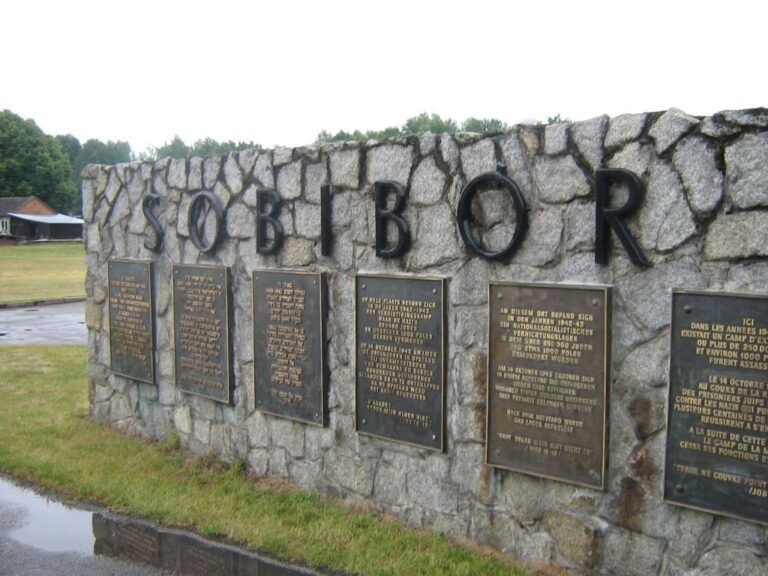
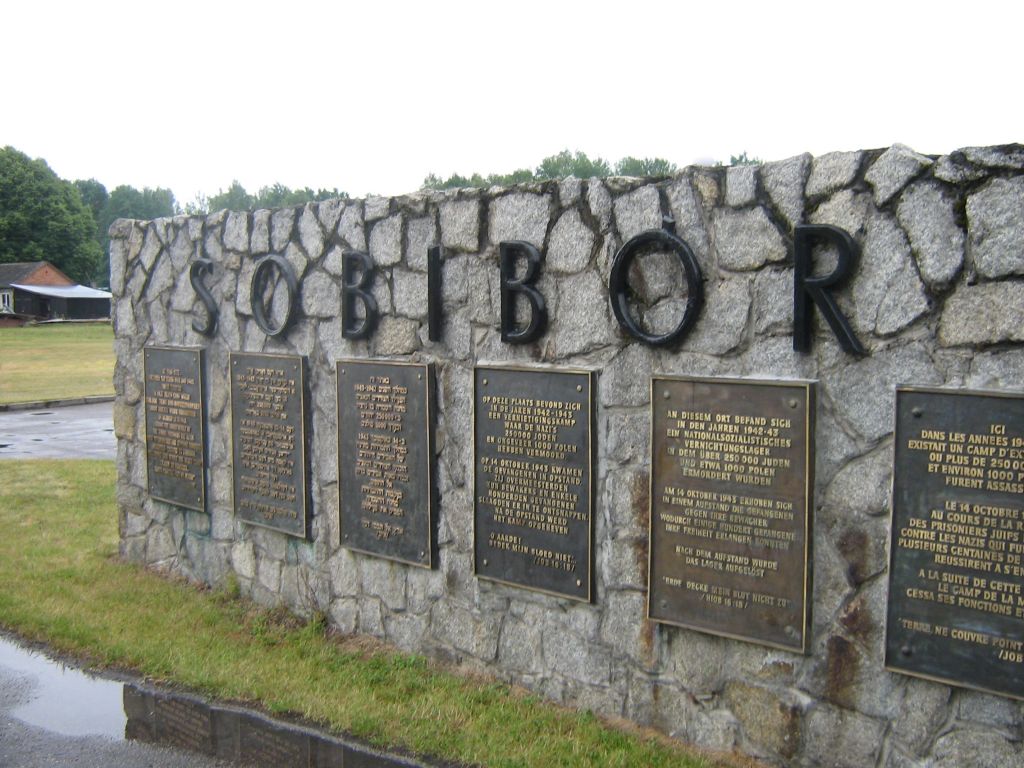
One of the most significant aspects of the museum’s narrative is the story of the Sobibór uprising, a remarkable act of resistance led by some prisoners that ultimately allowed several to escape. This story is conveyed through multimedia displays, archival materials, and reenactments that provide insight into the courage and desperation experienced by those involved. The museum also features commemorative monuments and plaques honoring both the victims and the heroes who resisted the oppression.
Building and Setting
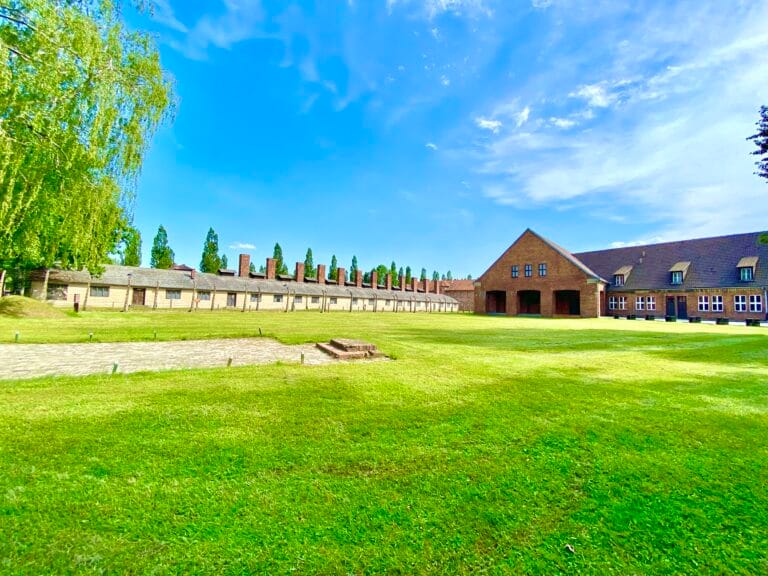
The Sobibór Museum is thoughtfully situated on the site of the former extermination camp, located in a rural area of eastern Poland near the Ukrainian border. The layout of the museum and the surrounding memorial landscape works to maintain the solemnity and gravity of the place. The grounds include reconstructed parts of the camp’s infrastructure, pathways for guided tours, and spaces for quiet reflection. The natural surroundings, consisting of forested areas and open fields, contribute to the contemplative atmosphere.
Architectural elements within the museum are designed to be unobtrusive yet respectful, often using minimalist and symbolic forms that evoke memory without overwhelming visitors. Information panels and directional signs are carefully placed to guide visitors while maintaining the integrity of the historic site. The museum's design seeks to balance educational content with the need for a dignified environment that honors those who perished.
Practical Information
The Sobibór Museum is accessible to the public as a site of historical and educational interest. Visitors are encouraged to check the museum’s official website or contact the institution directly to confirm current opening hours, ticket prices, and any special guidelines before planning their visit, as these details may be subject to change.
Tours may be available in several languages, often led by knowledgeable guides who provide context and help visitors navigate the sensitive subject matter with respect and care. The museum experience includes both indoor exhibits and outdoor exploration, so appropriate clothing and footwear are advisable. Photography policies may vary; visitors should inquire about any restrictions to ensure they comply with the museum’s rules.
Accessibility considerations are also important, as the museum seeks to accommodate all visitors but the historic nature of the site may present challenges. Those with mobility concerns should seek information in advance. Additionally, given the emotional weight of the subject matter, families with young children might want to prepare carefully or consider whether the visit is suitable for younger audiences.
Why Visit
Visiting the Sobibór Museum is a profoundly moving experience that goes beyond the usual museum encounter. It offers a unique opportunity to engage directly with a pivotal and tragic episode of 20th-century history, encouraging reflection on themes of human rights, resilience, and the consequences of hatred and authoritarianism.
The museum’s educational role is crucial, serving as a reminder of the past and a caution for the future. It helps foster empathy and understanding through its careful presentation of historical facts and personal stories. By preserving the memory of Sobibór and those affected by its existence, the museum plays a vital role in Holocaust education and remembrance.
For those interested in history, human rights, or the complex dynamics of World War II in Eastern Europe, the Sobibór Museum provides an in-depth and respectful exploration of one of the Holocaust’s lesser-known sites. It is a testament to the importance of memory and the enduring human spirit in the face of unimaginable suffering. The visit, while somber, can be deeply enriching and thought-provoking, leaving a lasting impression on all who come to learn and remember.