
Museum of Danish Resistance Review
Historical Context
The Museum of Danish Resistance in Copenhagen serves as a solemn tribute to the courageous efforts of Danes who actively opposed Nazi occupation during World War II. Denmark was invaded and occupied by Germany in April 1940, an era marked by subtle yet persistent forms of resistance that evolved over time. From civil disobedience and clandestine publications to sabotage and the rescue of Danish Jews, the resistance movement reflected a wide spectrum of activities that challenged and undermined the German regime’s control. This museum chronicles these multifaceted efforts through a comprehensive narrative that elucidates the political, social, and cultural dynamics of the occupation years. Its collection extends beyond mere military exploits to encompass personal stories, artifacts, and propaganda materials that reveal the complexity of resistance. This historical backdrop is vital for understanding the fierce determination and sacrifices of the Danish population, placing the museum not only within the context of Danish history but within the broader story of World War II resistance movements across Europe.
What You See on Arrival
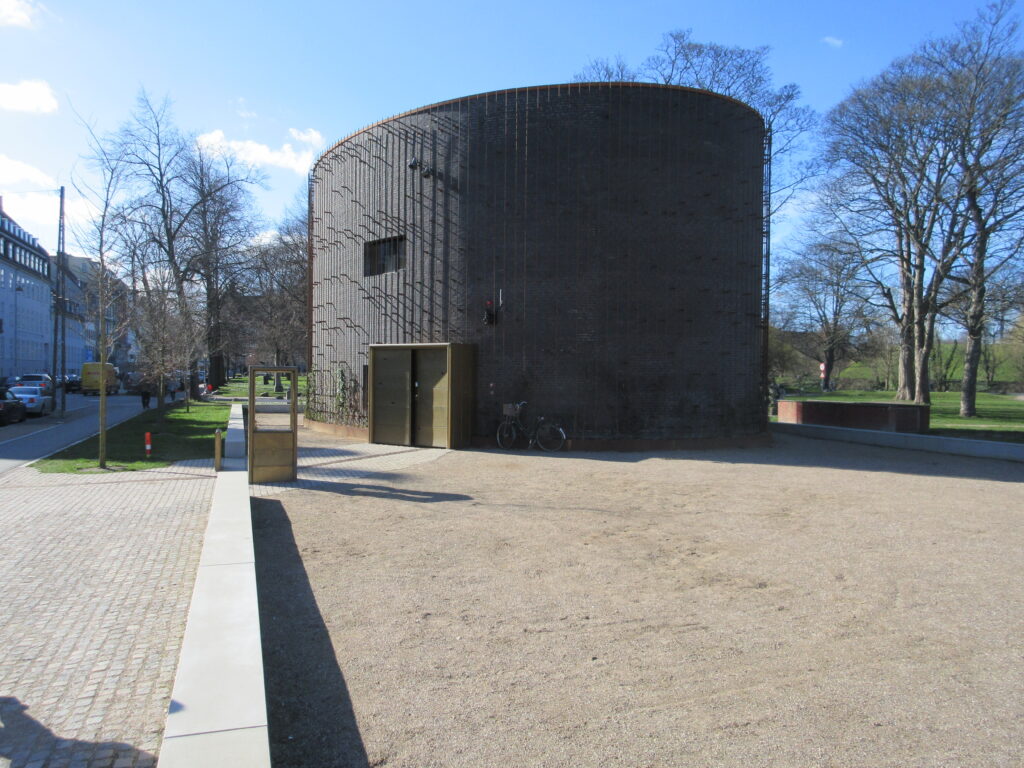
Approaching the Museum of Danish Resistance, visitors are greeted by a distinctive façade that subtly blends modern architectural elements with somber, reflective spaces. The exterior design, while restrained, sets an appropriately serious tone, emphasizing the gravity of the museum’s subject matter from the outset. Adjacent to the entrance, a series of sculptures and plaques offer immediate engagement with the themes of resistance and remembrance, preparing visitors for the internal experience. Inside, the initial gallery introduces a timeline and overview of the German occupation of Denmark, establishing the chronological framework for the exhibits to come. Photographic displays and prominently placed artifacts capture both the scale of the occupation and the individual acts of defiance that would inspire the subsequent narrative. Overall, the arrival area is structured to orient visitors effectively, balancing informative content with an evocative atmosphere that invites reflection.
Highlights and Key Exhibitions
The Museum of Danish Resistance boasts a variety of thoughtfully curated exhibits that bring to life the courage, ingenuity, and moral complexity of resistance activities. One of the key strengths of the museum is its integration of personal stories, which humanize the larger historical events. Visitors encounter letters, diaries, and recordings that provide intimate glimpses into the lives of resistance members, illustrating their motivations and sacrifices. Another standout exhibition examines the underground press, showcasing clandestine newspapers and documents that defied Nazi censorship and disseminated vital information. Detailed displays on sabotage missions reveal the tactical dimensions of resistance, featuring tools, maps, and photographs related to operations aimed at disrupting German military infrastructure. The museum also devotes attention to the crucial role of the Danish rescue of Jews in 1943, illustrating how ordinary citizens organized and executed efforts to ferry Jewish people to safety in Sweden. Throughout, there is a strong emphasis on the moral and ethical dilemmas faced by resistors and bystanders alike, underscoring the complexity of occupation. The multimedia presentations and reconstructed environments further enhance the storytelling, making history palpable and emotionally resonant.
Visitor Experience
The visitor experience at the Museum of Danish Resistance is largely shaped by its careful exhibition design and educational resources. The layout is clear and intuitive, guiding guests through the narrative in a manner that balances informative content with contemplative spaces. The use of audio-visual materials is effective, complementing the physical artifacts and enhancing engagement without overwhelming the senses. Exhibits are translated into English, making the museum accessible to an international audience, though some texts may be brief and would benefit from additional depth or interactive features. The museum staff are knowledgeable and approachable, contributing to a welcoming atmosphere. Facilities such as seating areas allow visitors to rest and absorb the weighty themes at a comfortable pace. While the museum does not offer extensive interactive displays or child-focused activities, it is well suited for those with a keen interest in 20th-century history, World War II, or resistance movements. It is advisable to allocate at least two hours to explore the museum thoroughly and appreciate its nuanced perspective.
Tickets, Access, and Planning
Information regarding ticketing for the Museum of Danish Resistance indicates that admission fees are modest, reflecting the institution’s public service mission and the educational importance of its collection. Various discounted rates apply for students, seniors, and groups, encouraging wide accessibility. The museum’s location in Copenhagen is convenient for visitors, situated within reach of public transportation options, including buses and metro lines. Accessibility for persons with reduced mobility is thoughtfully addressed; ramps, elevators, and accessible restrooms are available. The museum’s official website offers practical details on opening hours and seasonal variations, although advance booking is not typically required. Given the focused nature of the museum’s content and size, crowding is rarely a concern, allowing for a reflective and unhurried visit. Those interested in deepening their understanding can benefit from guided tours or educational programs, details of which are periodically updated online. Planning a trip to coincide with broader explorations of Copenhagen’s historical and cultural offerings can enhance the overall experience.
Final Verdict
The Museum of Danish Resistance stands as a poignant and well-curated institution dedicated to preserving the memory of Danish courage and resilience under Nazi occupation. It offers a balanced and engaging narrative that combines personal testimony with broader historical analysis, making it an essential destination for those interested in World War II history and the ethical complexities of resistance. While the museum’s tone is necessarily somber and reflective, its design ensures that visitors remain engaged through a variety of exhibit styles and multimedia components. The institution could benefit from expanded interactive elements and deeper contextual analysis to further enrich the visitor experience, particularly for younger audiences or those less familiar with Danish history. Nevertheless, its focused mission, accessible location, and respectful treatment of difficult subject matter make it a valuable cultural asset within Copenhagen’s museum landscape. Overall, the Museum of Danish Resistance succeeds in honoring the sacrifices of those who resisted occupation and offers an instructive lens through which to examine the enduring human spirit in times of crisis.



