United States Holocaust Memorial Museum Review
Memorial Museums · Washington, D.C., United States. The United States Holocaust Memorial Museum, located in Washington, D.C., serves as the nation’s foremost institution dedicated to documenting, studying, and interpreting the history of the Holocaust. It stands as a powerful te…
Memorial Museums · Washington, D.C., United States. The United States Holocaust Memorial Museum, located in Washington, D.C., serves as the nation’s foremost institution dedicated to documenting, studying, and interpreting the history of the Holocaust. It stands as a powerful te…
Best forScience, technology, hands-on learning
Review focusExhibits, interpretation, visitor flow
Historical Context
The United States Holocaust Memorial Museum, located in Washington, D.C., serves as the nation’s foremost institution dedicated to documenting, studying, and interpreting the history of the Holocaust. It stands as a powerful testament to the atrocities committed during World War II when six million Jews, alongside millions of other innocent victims, were systematically persecuted and murdered under Nazi tyranny. Established in 1993, the museum is a vital educational resource that contextualizes the Holocaust within broader themes of genocide, human rights abuses, and the devastating consequences of hatred and intolerance. Unlike many traditional history museums, it carries a profound moral and philosophical mandate: to confront visitors with the consequences of indifference and the imperative of remembrance. Rooted firmly in historical scholarship and survivor testimony, the institution embraces its role as a memorial as much as a museum, challenging generations to learn from past atrocities to prevent their recurrence.
What You See on Arrival
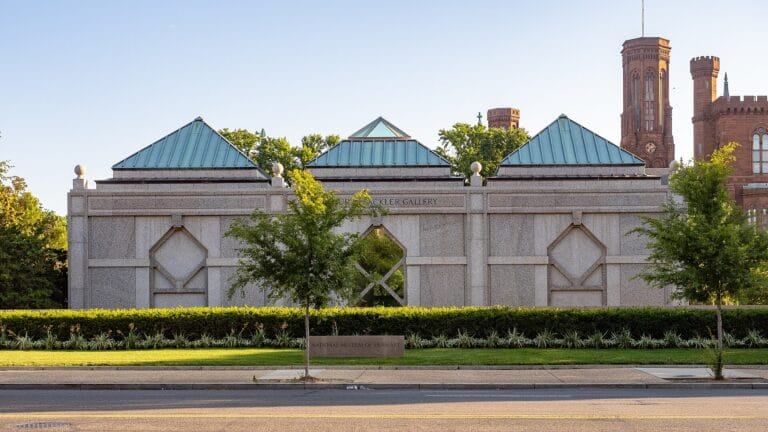
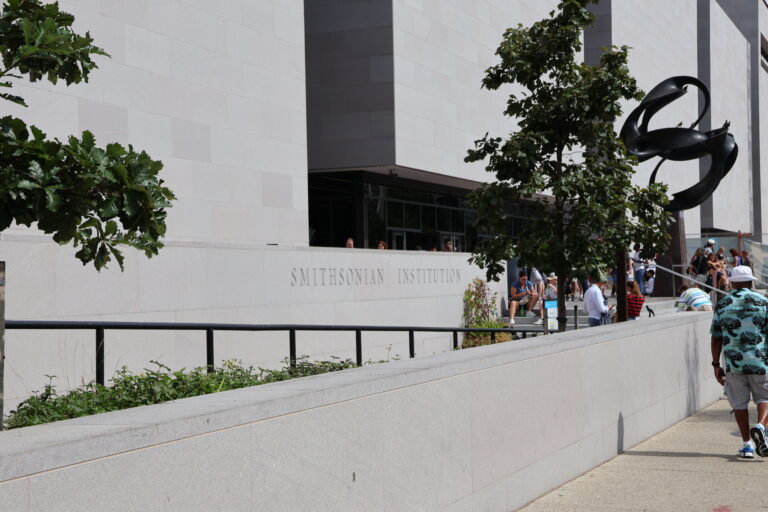
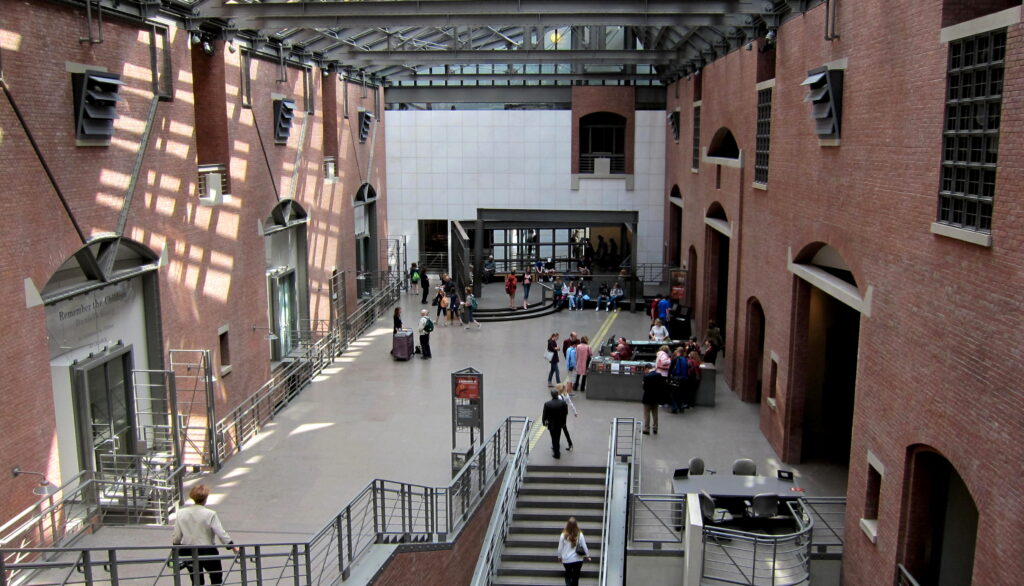
Upon approaching the United States Holocaust Memorial Museum, visitors encounter a solemn and understated exterior that commands reflection even before stepping inside. The building’s architectural design complements the gravity of its purpose through restrained use of materials and symbolic elements. The main entrance opens into a spacious lobby that immediately evokes a sense of quiet contemplation. Walls are adorned with photographs, quotes, and documentation that introduce the themes explored throughout the museum. To the right, visitors often find the orientation theater, where a short introductory film sets the somber tone for the visit ahead. The museum’s layout encourages a logical progression, guiding visitors from contextual background and individual narratives into more comprehensive historical installations. The deliberate absence of bright or flashy displays reinforces the serious atmosphere. The surrounding landscaped grounds and memorial areas contribute to the reflective mood and invite visitors to consider the broader implications of the exhibit content.
Highlights and Key Exhibitions
The core permanent exhibition of the United States Holocaust Memorial Museum is meticulously curated to provide a comprehensive and immersive exploration of the Holocaust. This narrative begins with the history of the Jewish people in Europe before the rise of Nazism, offering essential context through personal stories and artifacts. It then systematically chronicles the emergence of Nazi ideology, the incremental stripping away of civil rights, and the escalation of violence culminating in genocide. Among the most poignant elements are deeply humanizing survivor testimonies presented through film and audio recordings, which allow visitors to connect on an emotional level beyond the exhibits’ historical facts. The museum’s extensive collection of artifacts, including seized personal belongings, documents, photographs, and camp artifacts, powerfully illustrates the scope and immediacy of the catastrophe. One particularly striking section is the recreated freight car used to transport victims to concentration camps, an immersive installation that conveys the terror and claustrophobia experienced by those deported. The exhibits are thoughtfully designed to balance individual stories against the systematic nature of the Holocaust’s machinery, underscoring how ordinary people were both victims and, in many cases, perpetrators.
In addition to the permanent exhibition, the museum houses the Hall of Remembrance, a sacred space designed for quiet reflection and honoring the victims. This hall features an eternal flame and serves as a focal point for remembrance ceremonies and educational programs. While the museum does not regularly feature rotating exhibitions, its comprehensive permanent collection often includes thematic installations and educational displays that explore broader aspects of genocide prevention and human rights related to the Holocaust.
Visitor Experience
The visitor experience at the United States Holocaust Memorial Museum is deeply immersive and intentionally solemn, intended to foster understanding and empathy. Multimedia elements integrate seamlessly throughout the exhibitions, combining survivor interviews, historical footage, photographs, and documents to build a layered narrative. Visitors are encouraged to engage at their own pace, with ample spaces to pause and absorb the material. Signage and descriptions are clear, concise, and respectful, managing to convey complex historical events without overwhelming. Accessibility is a key consideration, with audio guides, captioned videos, and tactile exhibits available to support diverse visitor needs. Educational programming, including guided tours and special lectures, enrich the experience for those seeking deeper engagement. However, the museum’s heavy focus on difficult and often deeply distressing content means it may not be suitable for younger children or those sensitive to graphic subject matter. The institution provides ample resources to help visitors prepare emotionally for what they will encounter.
Tickets, Access, and Planning
Admission to the United States Holocaust Memorial Museum is free of charge, which reinforces its mission to educate as many people as possible about the Holocaust’s lessons. Although entry is free, timed passes are required for access to the permanent exhibition to manage visitor flow and maintain an atmosphere conducive to reflection. It is advisable to reserve tickets well in advance, especially during peak tourist seasons, as availability can be limited. The museum is situated on the National Mall, making it accessible via public transportation, including Metro services and various bus routes. Facilities have been designed with accessibility in mind, including wheelchair access, assistive listening devices, and accessible restrooms. Visitors should plan to spend several hours at the museum to fully engage with the exhibitions and reflection spaces. A well-equipped museum shop offers educational materials, literature, and memorabilia related to the Holocaust and human rights themes. The museum café and nearby dining options provide convenient refreshment breaks, although the focus remains on the gravity of the visit.
Final Verdict
The United States Holocaust Memorial Museum stands as a profound institution that transcends the traditional museum experience by intertwining historical scholarship, survivor testimony, and moral imperatives. It offers one of the most comprehensive and impactful narratives on the Holocaust, crafted with sensitivity and scholarly rigor. The environment it creates is thoughtfully respectful of the subject matter, fostering a space for remembrance, education, and introspection. While the content is understandably heavy and emotionally challenging, the museum’s execution ensures that visitors come away with a deeper understanding of the human consequences of hatred and bigotry. Its commitment to accessibility and educational outreach further broadens its reach, making it a vital destination for visitors of diverse backgrounds. Despite its seriousness, the museum’s powerful storytelling and carefully curated artifacts provide a compelling and memorable experience. For those seeking to comprehend one of history’s darkest chapters and reflect on its enduring lessons, this institution in Washington, D.C., is an indispensable resource and memorial.