United States Holocaust Memorial Museum
Memorial Museums · Washington, D.C., United States. The United States Holocaust Memorial Museum in Washington, D.C., stands as a profoundly moving institution dedicated to documenting, studying, and interpreting the history of the Holocaust. As a national museum, it serves both…
Best forMemory, history, reflective visits
Setting / nearbyThe National Mall in the heart of Washington, D
Overview
The United States Holocaust Memorial Museum in Washington, D.C., stands as a profoundly moving institution dedicated to documenting, studying, and interpreting the history of the Holocaust. As a national museum, it serves both as a memorial to the millions who suffered and perished under Nazi tyranny and as an educational center that encourages reflection on the consequences of hatred, prejudice, and indifference. The museum’s mission is to inspire citizens and leaders worldwide to confront hatred, prevent genocide, and promote human dignity.
Collection Highlights
The museum's permanent exhibition traces the rise of Nazi Germany, the implementation of antisemitic laws, and the horrific impact of the “Final Solution” on Jewish communities and other targeted groups. Its collection includes a vast array of artifacts, photographs, documents, and personal testimonies that bring to life the realities of this dark period in history. Objects on display range from mundane personal items like suitcases and shoes to chilling remnants of concentration camp barracks and preserved sections of the Berlin Wall, all serving as tangible links to individual stories of survival and loss.
One of the most powerful features of the museum is its use of multimedia and oral history testimonies, which weave together survivor narratives, historical context, and scholarly interpretation. This approach allows visitors to engage deeply with the personal and collective experiences of those who lived through this era. Special exhibitions often explore specific themes or lesser-known stories related to the Holocaust and broader issues of human rights abuses.
Building and Setting
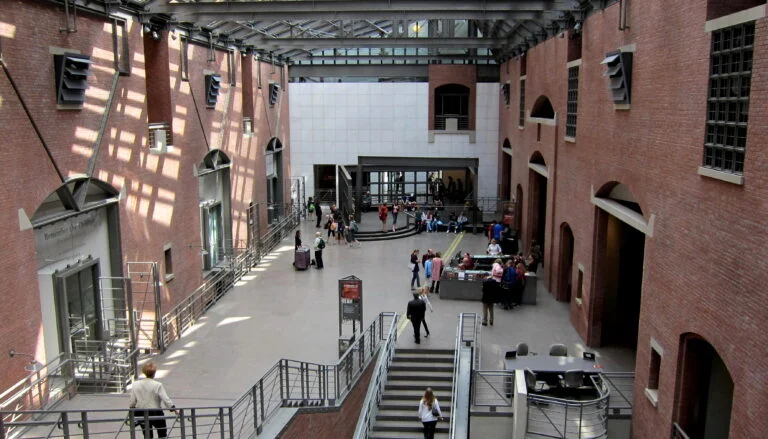
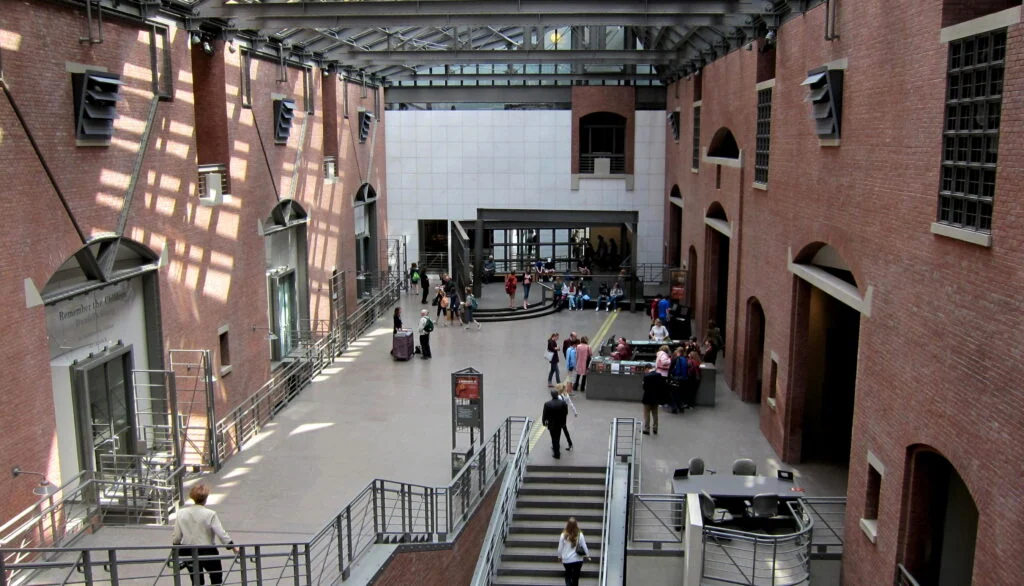
Situated on the National Mall in the heart of Washington, D.C., the museum’s architecture reflects a solemn and contemplative atmosphere. The design evokes the stark and fragmented history of the Holocaust while providing spaces for reflection and learning. The building incorporates symbolic elements such as the Tower of Faces, a haunting installation featuring photographic portraits of a Jewish family murdered during the genocide.
The location is accessible and inviting, encouraging visitors from around the world to engage with the museum’s educational mission. Nearby landmarks and government institutions underscore the museum’s role in fostering a national and international dialogue about history, memory, and responsibility.
Practical Information
The United States Holocaust Memorial Museum welcomes visitors of all ages interested in understanding the history and legacy of the Holocaust. To enhance the experience, self-guided tours and audio guides are available, as well as guided tours offered by educators knowledgeable in Holocaust studies. The museum is committed to accessibility and provides accommodations for visitors with disabilities.
Given the sensitivity and importance of the subject matter, it is advisable to allocate several hours to fully engage with the exhibits. Visitors should check the official website or contact the museum directly to confirm current opening hours, ticketing procedures, and any temporary exhibition schedules before planning their visit. Admission is generally free, but timed tickets may be required during busy periods to manage visitor flow.
Why Visit
Visiting the United States Holocaust Memorial Museum is a profoundly educational and emotional experience that goes beyond the presentation of historical facts. It is a place where visitors confront the consequences of hatred, bigotry, and governmental indifference on an unimaginable scale. Through its carefully curated exhibitions and powerful testimonials, the museum offers an opportunity to remember the victims, honor the survivors, and promote vigilance against the conditions that lead to such atrocities.
The museum also encourages reflection on contemporary issues related to human rights and genocide prevention, making it not only a repository of history but a call to action for humanity. It invites visitors to consider the importance of individual and collective responsibility in shaping a more just and tolerant world. For anyone seeking to understand more deeply the complexities and human dimensions of the Holocaust, this museum is an essential destination in the nation’s capital.