National Museum of Modern Art Tokyo Review
Art Museums · Tokyo, Japan. The National Museum of Modern Art Tokyo, often referred to as MOMAT, holds a distinguished place in Japan’s cultural landscape. Established in 1952, its origins trace back to the nation’s post-war efforts to rebuild…
Art Museums · Tokyo, Japan. The National Museum of Modern Art Tokyo, often referred to as MOMAT, holds a distinguished place in Japan’s cultural landscape. Established in 1952, its origins trace back to the nation’s post-war efforts to rebuild…
Best forMasterpieces, architecture, cultural history
Review focusCollection highlights, building, visitor flow
Historical Context
The National Museum of Modern Art Tokyo, often referred to as MOMAT, holds a distinguished place in Japan’s cultural landscape. Established in 1952, its origins trace back to the nation’s post-war efforts to rebuild and redefine its artistic identity in a rapidly modernizing world. The museum serves as a custodian of Japanese modern and contemporary art, focusing particularly on works produced from the Meiji period onward. It emerged not only as an institution for preservation but also as a platform for innovation, providing insights into Japan’s encounter with Western modernism alongside the evolution of indigenous art forms. MOMAT reflects the dynamic tensions and harmonies between tradition and modernity that characterize Japan’s twentieth-century art scene. The institution is also notable for its role in supporting living artists, implementing diverse curatorial strategies that engage with evolving artistic practices. Set amidst the cultural richness of Tokyo, MOMAT continues to be a vital resource for understanding Japan’s artistic development within both domestic and international contexts.
What You See on Arrival
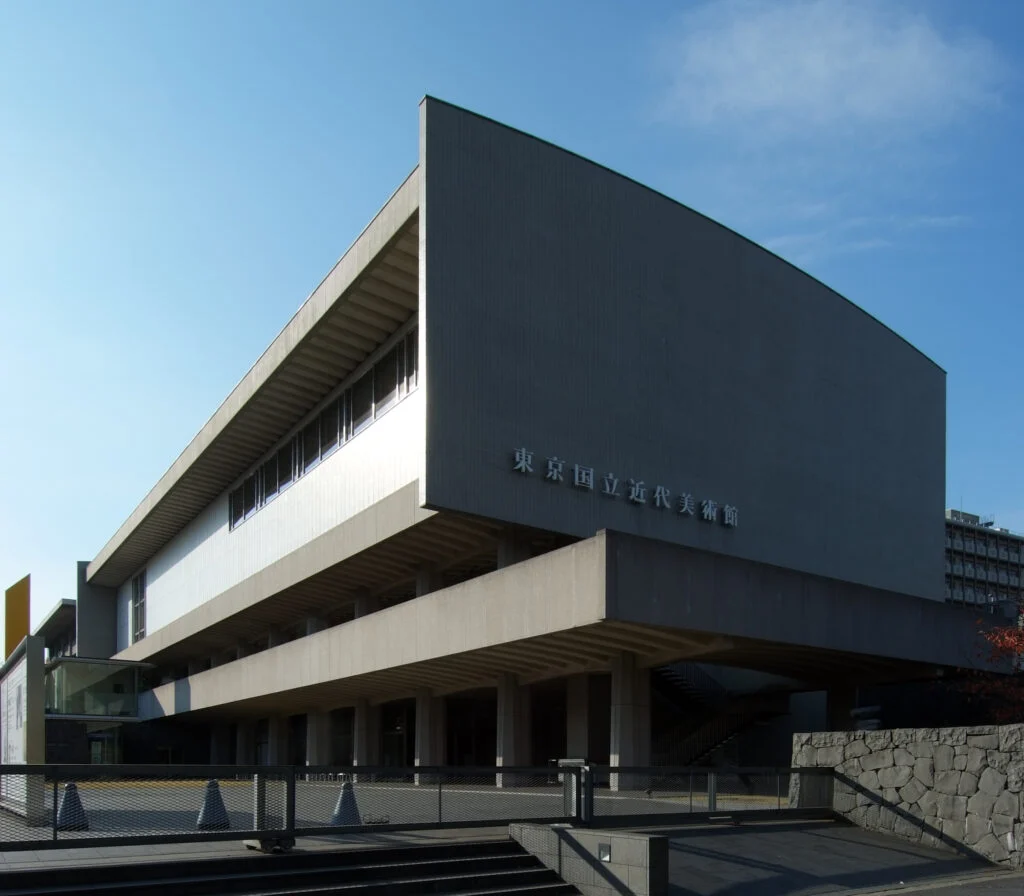
Approaching the National Museum of Modern Art Tokyo, visitors are greeted by an imposing yet elegant structure that combines modern architectural sensibilities with subtle references to traditional Japanese aesthetics. The museum is situated in Kitanomaru Park, near prominent landmarks such as the Imperial Palace, providing a peaceful and verdant setting that contrasts with the city’s hustle. The building’s façade utilizes clean lines and natural materials, blending seamlessly into its surroundings. The main entrance opens into a spacious lobby suffused with natural light, fostering a welcoming atmosphere. Orientation signage and information desks are immediately accessible, ensuring that newcomers can easily navigate their visit. Outside, the museum’s courtyard offers a quiet space with sculptural installations that hint at the modern and contemporary works housed within. The initial visual experience sets a tone of refined modernity and thoughtful curation, preparing visitors for an engaging cultural journey.
Highlights and Key Exhibitions
MOMAT’s permanent collection is distinguished by its breadth and depth, featuring quintessential examples of Japanese modern art across multiple mediums including painting, sculpture, prints, and photography. Highlights include masterpieces from pivotal figures such as Yokoyama Taikan, Fujishima Takeji, and Seiji Togo, whose works highlight the intersection of Western artistic techniques with Japanese sensibilities. The museum also showcases post-war contemporary artists who contributed to movements such as Gutai and Mono-ha, which revolutionized the Japanese art scene with experimental forms and philosophies. Key exhibition galleries provide a chronological survey that contextualizes these developments, affording visitors a nuanced comprehension of artistic trajectories against historical and social backdrops.
The museum’s engagement with international modern art is equally notable. Exhibitions often draw parallels between Japanese and global trends, facilitating a cross-cultural dialogue that enriches the understanding of modernism’s multiplicity. Photography and graphic design sections highlight the evolution of visual culture in Japan, emphasizing both innovation and tradition. While temporary exhibitions vary, they consistently maintain a high standard of scholarship and presentation, often focusing on thematic explorations or retrospectives of influential artists. This ensures that the museum stays relevant to contemporary discourse while honoring its foundational mandate.
Visitor Experience
Visitors to MOMAT can expect a thoughtfully curated journey that balances educational content with aesthetic enjoyment. The layout is logical and accessible, with clear pathways guiding through various thematic and chronological zones. The museum employs multilingual signage and audio guides, catering to international audiences while enriching the visitor’s interpretive experience. The lighting and display conditions are carefully adjusted to preserve the integrity of delicate artworks, yet remain conducive to comfortable viewing.
Educational resources such as gallery talks, workshops, and informational brochures are regularly offered, enhancing engagement for diverse demographics including families, students, and art enthusiasts. Staff members are generally knowledgeable and approachable, contributing to a welcoming atmosphere.
Amenities complement the overall experience: a well-stocked museum shop presents publications, artist monographs, and uniquely designed souvenirs closely linked to the exhibitions. The café provides a restful retreat featuring a menu inspired by seasonal ingredients and Japanese culinary traditions, allowing visitors to relax while reflecting on the art encountered.
Tickets, Access, and Planning
The National Museum of Modern Art Tokyo operates a relatively straightforward ticketing system. Admission fees are moderate, with discounts available for students, seniors, and groups. Certain days may permit free entry for specific visitor categories, although it is advisable to consult the official website for up-to-date information. Tickets can be purchased on-site or online, the latter option helping to avoid queues, especially during peak seasons or weekends.
The museum is conveniently accessible via Tokyo’s extensive public transportation network. The nearest subway stations include Takebashi and Kudanshita, both within a short walking distance, making it easy for visitors to incorporate a visit into broader itineraries around central Tokyo.
Accessibility accommodations are commendable. The museum provides wheelchair access, elevators, and accessible restrooms, ensuring an inclusive environment. While the central location and park setting create an element of tranquility, visitors should note that the museum’s extensive galleries may require pacing to fully appreciate the displays without fatigue.
Final Verdict
The National Museum of Modern Art Tokyo stands as a compelling institution, successfully balancing Japan’s rich artistic heritage with modern and contemporary artistic expressions. Its comprehensive collection and well-curated exhibitions offer a thorough exploration of Japan’s artistic evolution during the 20th and early 21st centuries. The museum’s architectural design, educational resources, and visitor amenities collectively foster an enriching cultural encounter for both casual visitors and serious scholars.
While the museum’s appeal primarily lies in its focus on Japanese art, its contextualization within international modernism adds valuable perspective, broadening its relevance. Occasionally, the scale and density of the collection might feel overwhelming for those new to modern art, but the availability of interpretive tools alleviates this potential challenge. The museum is ideally suited for visitors keen on delving into Japan’s unique artistic journey and those interested in understanding the intersections of tradition and innovation.
Ultimately, the National Museum of Modern Art Tokyo is a well-established cultural landmark in Tokyo, worthy of attention for anyone with an interest in modern art or Japanese culture. It offers a thoughtfully curated, educational, and aesthetically pleasing experience that highlights the complexities and achievements of Japanese modern art within both national and global frameworks.