National Art Museum of Catalonia
Tickets & Tours
Compare ticket options and guided tours from trusted booking partners.
We may earn a commission if you book through these links.
Overview
The National Art Museum of Catalonia, located in the vibrant city of Barcelona, Spain, stands as a premier destination for art enthusiasts and cultural explorers. This distinguished art museum is dedicated to showcasing the rich artistic heritage of Catalonia, blending centuries of creativity with the dynamic spirit of the region. Housed in a majestic building that commands panoramic views of the city, the museum offers not only an impressive collection but also a memorable cultural experience that reflects Catalonia’s unique identity within the broader tapestry of European art.
Collection Highlights
The National Art Museum of Catalonia is celebrated for its comprehensive collection that spans a broad spectrum of artistic periods and styles. A focal point of the museum is its extensive collection of Romanesque art, considered one of the most important in the world. Visitors can expect to find remarkable murals, frescoes, and religious iconography that tell the story of medieval Catalonia. These artworks, often preserved from churches and monasteries, provide a vivid window into the spiritual and social life of the region during the Middle Ages.
Beyond the Romanesque treasures, the museum houses a significant assembly of Gothic art, showcasing altarpieces, sculptures, and paintings that highlight the transition in artistic style and religious expression. The Renaissance and Baroque sections reveal the evolving tastes and cultural influences spanning from the 15th to the 18th centuries, including works by Catalan and broader European artists.
Modern art lovers will appreciate the museum’s impressive collections from the late 19th to the early 20th century. This includes Catalan modernism, a movement that significantly shaped the art and architecture of Barcelona, featuring notable artists who contributed to this distinctive and imaginative style. The museum’s collection also embraces the Noucentisme movement and contemporary works, providing a well-rounded view of Catalonia’s evolving artistic landscape.
Building and Setting
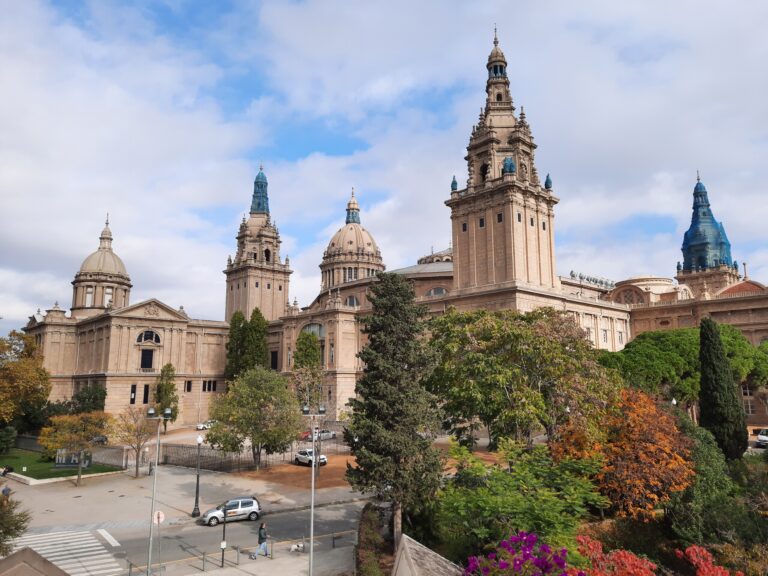
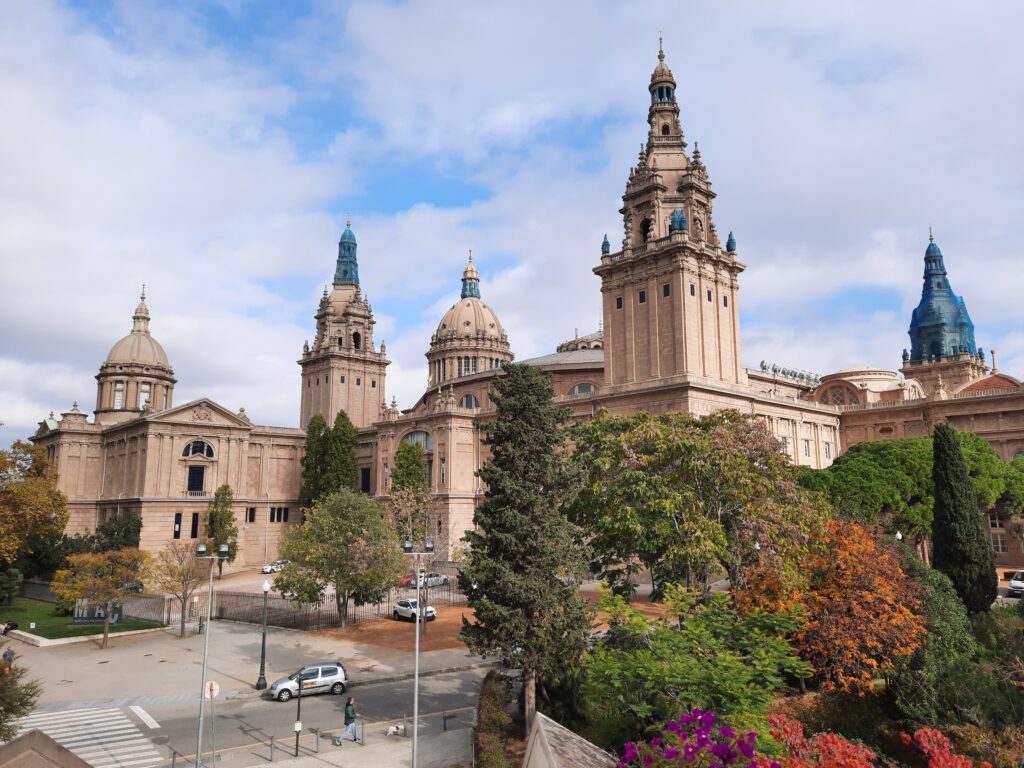
The museum building itself is a remarkable architectural landmark. Situated on Montjuïc hill, it occupies the Palau Nacional, an imposing neoclassical palace originally built for the 1929 International Exhibition. The location affords splendid views over Barcelona and the Mediterranean Sea, enhancing the visitor experience with a sense of place and grandeur.
The Palau Nacional’s interior is as impressive as its exterior, with spacious galleries, grand staircases, and a decorative layout that complements the artworks on display. The building is designed to facilitate an immersive journey through Catalan art history, with thoughtfully arranged exhibition spaces that guide visitors through different epochs without confusion or hurry. Its design balances grandiosity with a welcoming atmosphere, encouraging visitors to pause and reflect on the beauty and significance of the art.
Surrounding the museum are a number of gardens and fountains, contributing to a picturesque setting that invites contemplation both inside and outside. Montjuïc itself is an area rich with cultural venues, parks, and historical sites, making it a perfect destination for a full day of exploration beyond the museum visit.
Practical Information
Visitors planning a trip to the National Art Museum of Catalonia should be aware that operating hours, admission fees, and visitor services can vary seasonally or due to special exhibitions and events. It is recommended to verify the current opening times and ticketing options on the museum’s official website before visiting to ensure the most up-to-date information.
Tickets may include options for general admission, concessions, or combination passes with other cultural institutions in Barcelona. Some offers might allow free entry on specific days or times, which can provide an excellent opportunity for budget-conscious travelers. The museum typically offers multilingual information and guided tours, enhancing accessibility and understanding for a diverse international audience.
Inside the museum, visitors can find cafes and bookshops featuring publications on Catalan art and culture, ideal for deepening one’s appreciation of the exhibits or taking home a meaningful souvenir. Accessibility is a priority for the museum, with efforts made to accommodate visitors with mobility challenges.
Why Visit
The National Art Museum of Catalonia is more than just an art museum; it is a cultural beacon that encapsulates the artistic evolution of a region with a rich and multifaceted identity. Its unparalleled collections offer insights into religious, social, and aesthetic developments that have shaped Catalonia and influenced broader artistic movements. Visitors can immerse themselves in medieval spiritual art, witness the height of Gothic craftsmanship, and appreciate the innovation of modern Catalan artists—all within a single, thoughtfully curated venue.
The museum’s location in the Palau Nacional adds an architectural dimension to the visit, allowing guests to enjoy both the cultural treasures inside and the scenic beauty of Montjuïc Hill. Whether one has a keen interest in art history, a curiosity about Catalan culture, or simply the desire to experience one of Barcelona’s most iconic landmarks, the National Art Museum of Catalonia offers a warm and enriching welcome.
For anyone wishing to dive deeply into the artistic soul of Catalonia, this museum provides a compelling narrative told through the timeless language of art, set against one of Barcelona’s most inspiring backdrops.