National Museum of Egyptian Civilization
Archaeology Museums · Cairo, Egypt. The National Museum of Egyptian Civilization, located in Cairo, Egypt, is a premier archaeological museum dedicated to showcasing the vast and diverse heritage of one of the world’s oldest civilizations. This museum offers a…

Best forArchitecture, royal history, heritage
Setting / nearbyCairo, Egypt
Overview
The National Museum of Egyptian Civilization, located in Cairo, Egypt, is a premier archaeological museum dedicated to showcasing the vast and diverse heritage of one of the world’s oldest civilizations. This museum offers a comprehensive journey through Egyptian history, from prehistoric times to the modern era, illuminating the continuous development of Egyptian culture and its enduring influence. Positioned as a cultural hub, it reflects Egypt’s commitment to preserving and presenting its rich historical narrative with modern museological practices.
Collection Highlights
The museum holds a remarkable collection that spans millennia, providing an unparalleled overview of Egyptian civilization. Visitors can explore a wide array of artifacts representing various periods, including the Pharaonic, Greco-Roman, Coptic, Islamic, and contemporary eras. Among the standout exhibits are objects from everyday life, royal artifacts, religious relics, and archaeological finds that chronicle the complex social, political, and cultural evolution of the region.
One of the most celebrated features is the extensive showcase of royal mummies, which offers a rare glimpse into the funerary customs and royal lineage of ancient Egypt. These well-preserved remains, regarded as priceless cultural treasures, are displayed with meticulous care that respects their historical and spiritual significance. Beyond the royal mummies, the museum houses an impressive collection of statues, jewelry, tools, ceramics, papyri, and textiles, each contributing to a richer understanding of Egypt’s historical fabric.
The exhibits are thoughtfully organized to create a narrative flow, guiding visitors from the origins of Egyptian civilization through to its various phases of development. Interactive displays and multimedia presentations enhance the experience by contextualizing the artifacts within their historical settings and explaining their significance with clarity. This approach ensures that the museum appeals both to seasoned scholars and to those new to Egyptology.
Building and Setting
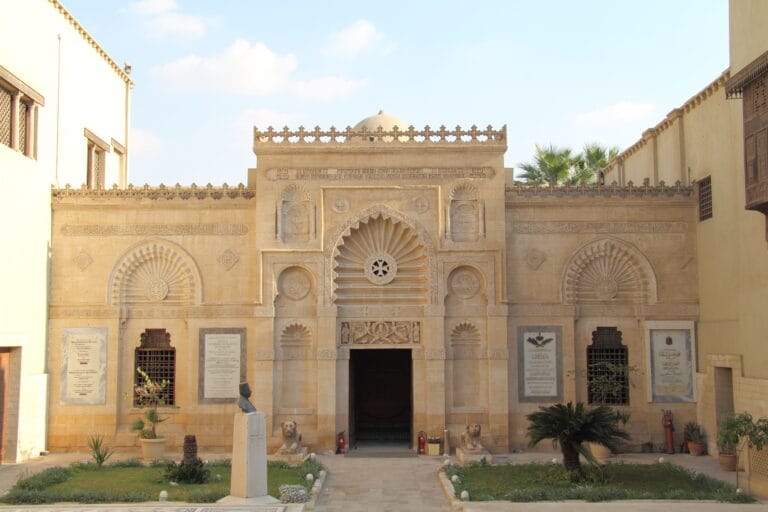
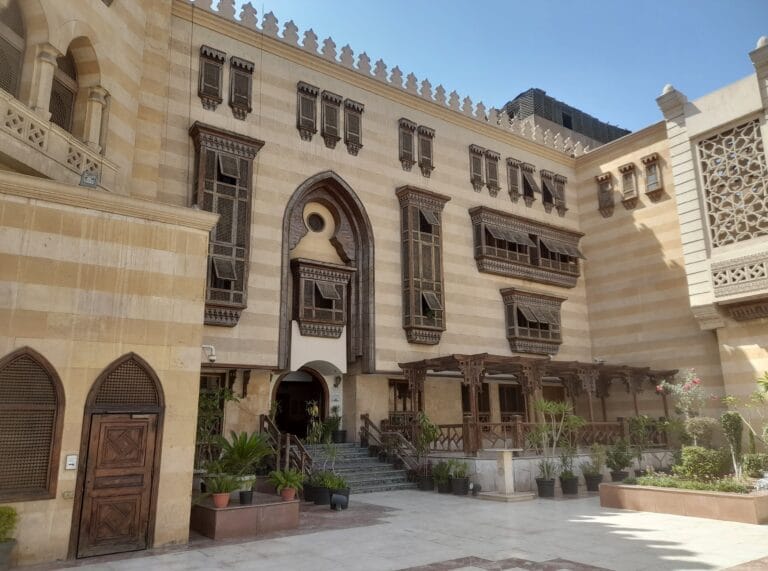
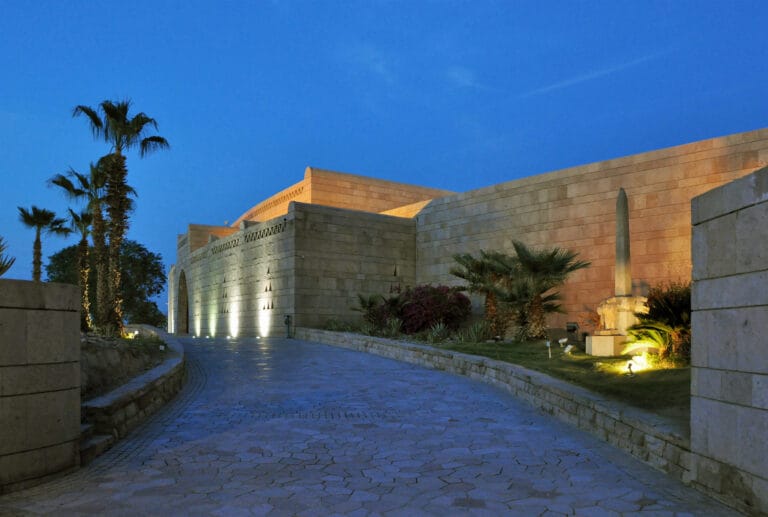
The National Museum of Egyptian Civilization is situated in a modern, architecturally striking building designed to complement the expansive collection it shelters. The structure itself is a fine example of blending contemporary design with cultural sensitivity, featuring spaces that accommodate large-scale exhibits, immersive displays, and public events. Its design emphasizes accessibility and openness, encouraging a flow that makes the visitor experience both enlightening and comfortable.
The setting of the museum contributes in equal measure to its appeal. Located within Cairo, a city rich in history and culture, it serves not just as a repository of artifacts but as a vibrant cultural institution. The museum’s grounds provide pleasant outdoor areas for reflection and leisure, complementing the educational intent of the indoor displays. For visitors unfamiliar with Cairo, the museum’s location offers a gateway to understanding the city’s broader historical and cultural landscape.
Practical Information
For those planning a visit to the National Museum of Egyptian Civilization, it is advisable to check current opening hours and ticketing details in advance to ensure accurate information, as these can vary due to special events or other considerations. The museum is designed to accommodate a broad range of visitors, including families, students, researchers, and tourists, with facilities that support accessibility.
Guided tours and audio guides are often available, providing in-depth insights into the exhibits. Educational programs and workshops are occasionally offered, making the museum an active participant in ongoing cultural education. Visitors should allocate several hours to fully appreciate the scope of the collection. Photography policies may apply, so it is recommended to inquire upon arrival about any restrictions.
Other amenities, such as cafes, rest areas, and gift shops, contribute to a well-rounded visit. These facilities enhance comfort and offer opportunities to take home mementos related to Egyptian history and art. Considering the climate of Cairo, planning a visit during the cooler parts of the day or year may improve comfort during any outdoor segments of the museum experience.
Why Visit
The National Museum of Egyptian Civilization is more than a museum; it is a vibrant tribute to a civilization that has profoundly shaped human history. For anyone with an interest in archaeology, history, or cultural studies, this museum provides an unrivaled window into Egyptian life across thousands of years. Its collection aptly captures the continuity and change that characterize Egypt’s development, weaving together stories of ancient dynasties, religious evolution, and cultural achievements.
Visitors will find the museum’s approach both educational and inspiring, offering a space to reflect on the achievements of this civilization in a way that resonates across time and borders. Whether drawn by the allure of ancient kingdoms, intrigued by archaeological discoveries, or seeking to understand contemporary Egyptian identity within a historical framework, the museum provides a compelling and comprehensive experience.
Cultural enthusiasts and casual visitors alike will appreciate the museum’s commitment to preserving heritage while presenting it through a modern lens that respects the past and engages the present. It stands as a testament to the enduring legacy of Egyptian civilization and its continued relevance in today’s global cultural landscape.
For those exploring the historical treasures of Cairo, the National Museum of Egyptian Civilization represents an essential destination that enriches the journey through Egypt’s ancient and evolving story.