Frick Collection Review
Art Museums · New York City, United States. The Frick Collection, situated in New York City, stands as a testament to the vision and passions of its founder, industrialist Henry Clay Frick. Established in 1935 following Frick’s death, the collection originally occupied…
Art Museums · New York City, United States. The Frick Collection, situated in New York City, stands as a testament to the vision and passions of its founder, industrialist Henry Clay Frick. Established in 1935 following Frick’s death, the collection originally occupied…
Best forMasterpieces, architecture, cultural history
Review focusCollection highlights, building, visitor flow
Historical Context
The Frick Collection, situated in New York City, stands as a testament to the vision and passions of its founder, industrialist Henry Clay Frick. Established in 1935 following Frick’s death, the collection originally occupied his Fifth Avenue mansion, a Gilded Age residence that itself holds historical significance. Frick sought to present a private collection of Western art from the Renaissance through the late 19th century, focusing on works that illustrated refined taste and artistic mastery. Over time, the Frick has developed into a highly regarded institution, celebrated for its intimate setting and the quality of its holdings. Its collection features masterpieces in painting, sculpture, and decorative arts, with an emphasis on European old masters and design objects that reflect the aesthetic values of Frick’s era. The museum’s historical roots add to its allure, blending the ambiance of a private home with the public mission of art preservation and education.
What You See on Arrival
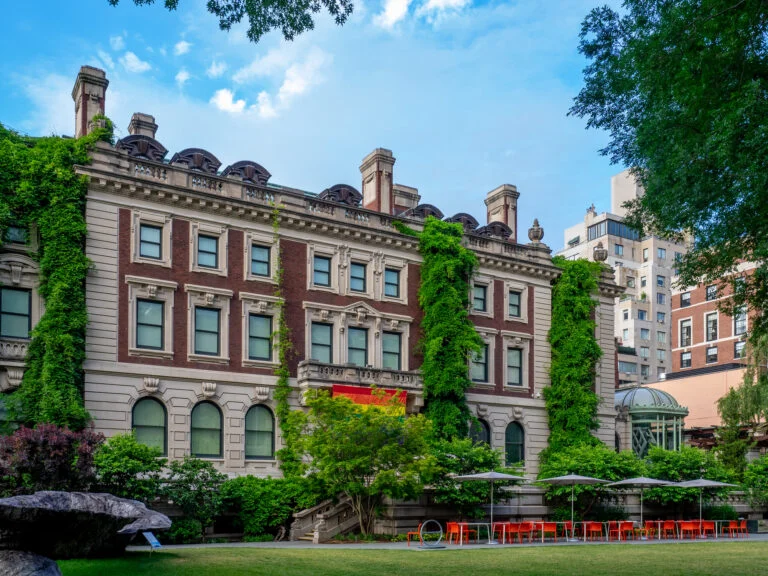
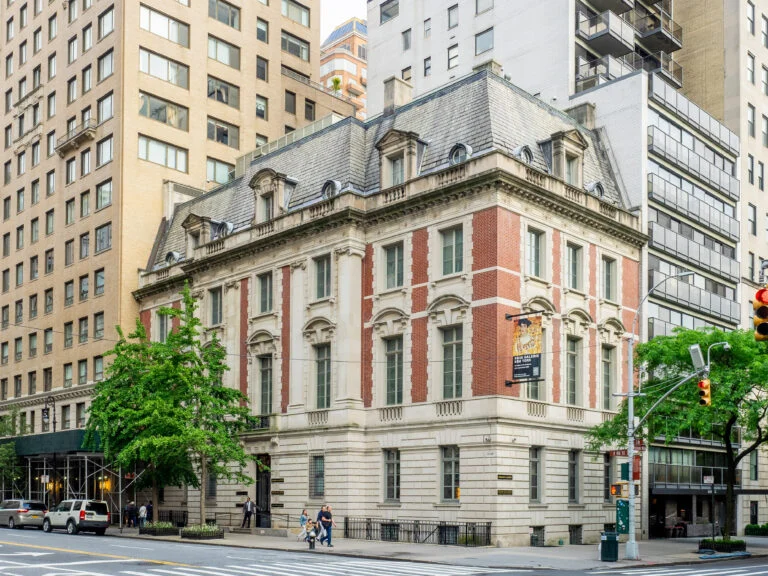
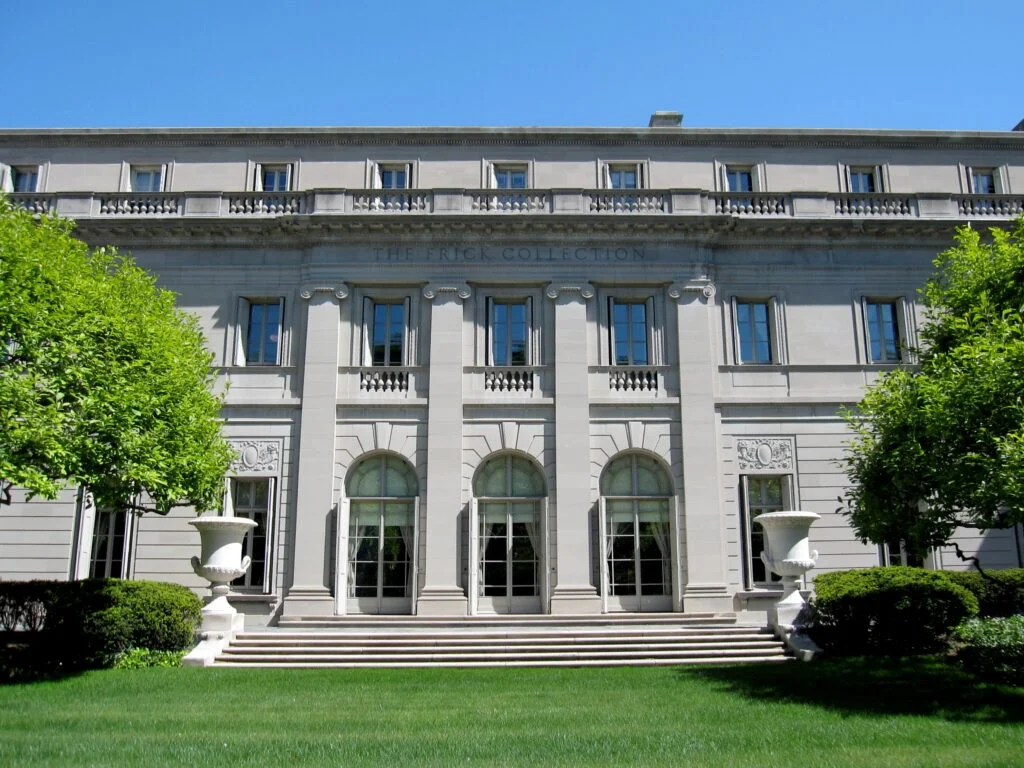
Upon approaching the Frick Collection, visitors encounter an elegantly restrained façade on Manhattan’s Upper East Side. The building, originally Frick’s residence, expresses a quiet grandeur befitting its distinguished collection. The entrance itself is modest, avoiding ostentation in favor of an inviting dignity that alludes to the refined interior spaces. Inside, visitors step into a series of interconnected rooms where the display of artworks is more reminiscent of a carefully curated home than a traditional museum layout. The lighting and architectural details contribute to a warm, intimate atmosphere that encourages close engagement with each piece. This immediate contrast with many larger, modern museums prompts a different kind of visitor experience—one centered on contemplation and discovery amid an environment that harmonizes with the artworks it houses.
Highlights and Key Exhibitions
The Frick Collection’s strength lies in its core holdings of European painting and decorative arts, representing a cross-section of significant periods and styles. One of the most celebrated paintings is Johannes Vermeer’s “Woman with a Water Jug,” notable not only for Vermeer’s renowned mastery of light and texture but also for the work’s nearness and accessibility due to the museum’s intimate setting. Other standout painters in the collection include Rembrandt, El Greco, Goya, and Frans Hals, each contributing works that blend individual brilliance with historical art movements. The museum’s holdings extend beyond paintings; its 18th-century French furniture, Italian Renaissance sculpture, and Limoges enamels provide valuable insights into the art and craftsmanship of their times. Although the Frick does not focus on frequently changing exhibitions, its permanent collection is permanently enriching, rewarding repeat visits with deeper understanding of the pieces and their contexts. The museum occasionally offers special exhibitions and loans, but its core appeal remains the consistency and quality of its masterworks on view.
Visitor Experience
The visitor experience at the Frick Collection is distinctive for its emphasis on intimacy and quiet reflection. Unlike many large museums, the Frick avoids overwhelming crowds by fostering a serene environment conducive to art appreciation. The layout encourages slow movement through the galleries, enabling guests to absorb the intricate details of each work and the curated space around it. The museum’s guides and educational materials are thoughtfully designed to enhance comprehension without detracting from the contemplative mood. Additionally, the atmosphere is bolstered by staff professionalism and a strong adherence to visitor comfort and accessibility. While the museum’s smaller scale means fewer amenities than larger institutions, features like a café and a well-stocked bookshop complement the visit without distracting from the primary artistic focus. Overall, the sensory experience is both enriching and calming, making the Frick highly suited to those seeking depth over breadth in their art encounters.
Tickets, Access, and Planning
Planning a visit to the Frick Collection involves considerations tied to its popularity and size. Ticketing is managed through timed entry, which helps control visitor numbers and preserve the contemplative ambiance. It is advisable to book tickets online in advance, especially during peak tourist seasons, to secure preferred time slots. The museum is located in Manhattan’s Upper East Side, accessible via several subway lines and bus routes, although visitors should note that this part of the city tends to be quieter and less congested than other cultural hubs. Accessibility is a priority: the Frick provides facilities and services suitable for visitors with mobility challenges, including elevators and accessible restrooms. Practical planning benefits from attention to operating hours, which are generally standard for New York museums but vary seasonally. The museum website offers comprehensive guidance on ticketing, directions, and current visitor policies, making pre-visit preparation straightforward.
Final Verdict
The Frick Collection occupies a unique niche within New York’s rich constellation of art institutions. It offers an immersive experience defined by its unmatched intimacy, historical richness, and exceptional quality of artworks. This museum thrives on the careful balance between a private art collection’s personal charm and the public mission of cultural preservation. Its restrained scale intensifies the viewing experience, allowing deep engagement with some of Western art’s greatest works. While it does not appeal to those seeking blockbuster exhibitions or extensive contemporary art, it more than compensates with timeless masterpieces and a soothing environment conducive to reflection. The museum’s blend of fine art, decorative objects, and historic architecture renders it a gem for connoisseurs and casual art lovers alike. For visitors to New York keen to explore the city’s more refined artistic offerings, the Frick Collection stands as a compelling and unforgettable destination.