National Vietnam War Museum Review
Historical Context
The National Vietnam War Museum, located in Alafaya, United States, stands as a significant institution dedicated to preserving and interpreting one of the most complex and multifaceted conflicts in modern history. The Vietnam War, spanning from the late 1950s to 1975, engaged numerous international actors and was marked by intense military combat, profound political debates, and deep social divisions within the United States and beyond. The museum aims to present a comprehensive narrative that transcends simplistic portrayals of the war, focusing on the diverse experiences of soldiers, civilians, and policymakers alike. It situates the conflict within the greater contours of Cold War geopolitics and post-colonial struggles, providing visitors with a nuanced understanding of its causes, consequences, and enduring legacy. By foregrounding a balanced and inclusive representation of various perspectives, the National Vietnam War Museum contributes to a broader dialogue on the costs of war and the importance of historical memory.
What You See on Arrival
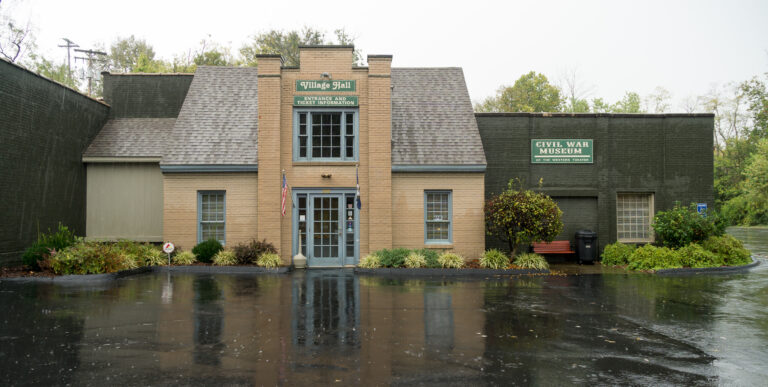
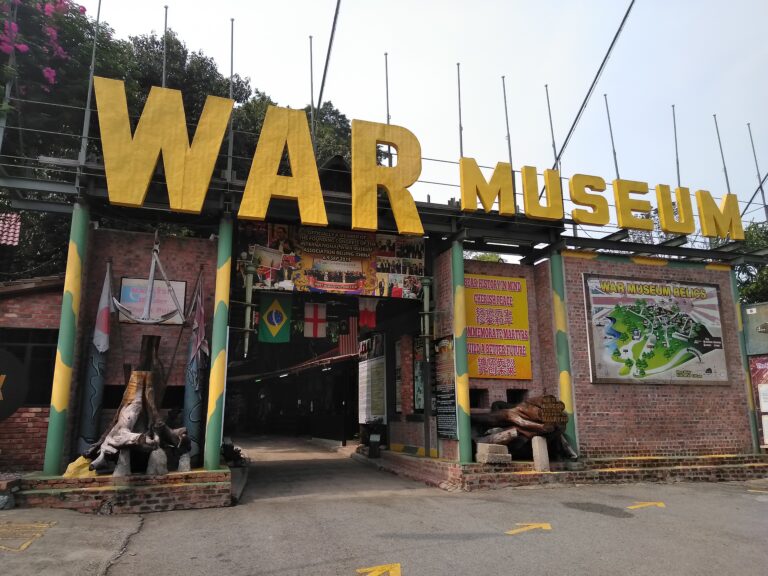
Upon approaching the National Vietnam War Museum, the exterior architecture immediately commands attention with a contemporary design that thoughtfully incorporates symbolic elements related to the war. The facility features a solemn yet inviting facade, blending stark lines with reflective surfaces that evoke contemplation. Veterans’ flagpoles and sculptural memorials are prominently displayed outside, setting an atmosphere of reverence and remembrance. The entrance plaza is spacious, landscaped with native flora that nods to the geography of Vietnam itself, providing a subtle contextual primer for visitors before they step inside. Signage is clear and unobtrusive, maintaining a dignified tone in keeping with the museum’s overarching mission. The initial visual impression prepares guests to engage deeply with the historical content, while the surrounding grounds offer quiet spots for reflection both before and after the tour.
Highlights and Key Exhibitions
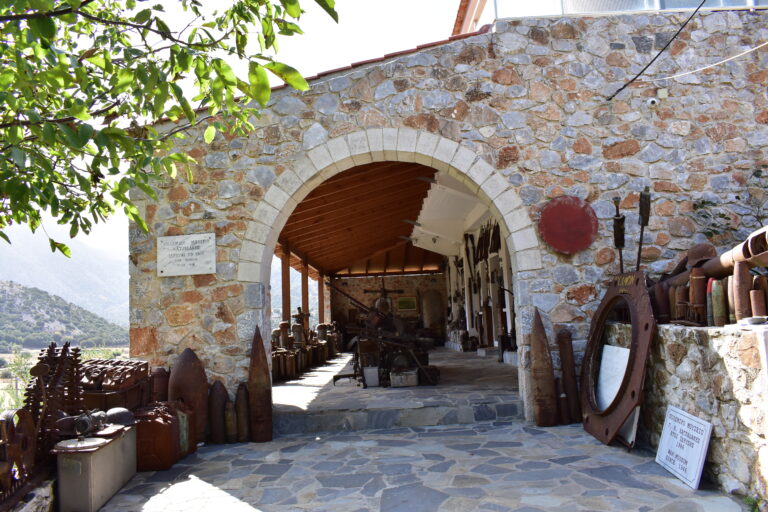
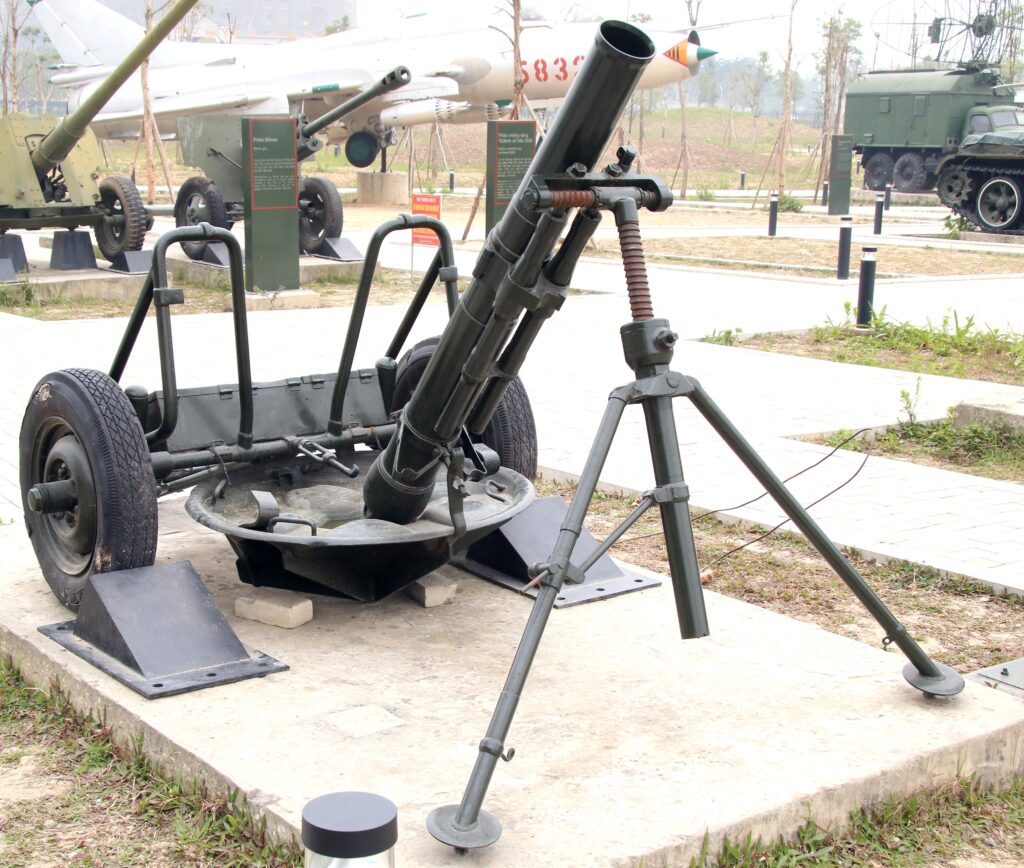
Central to the museum’s appeal is its thoughtfully curated collection of artifacts, photographs, documents, and multimedia presentations. One of the standout offerings is the extensive display of military equipment, including uniforms, weaponry, and vehicles that underscore the technological and tactical aspects of the conflict. These physical relics are complemented by personal items such as letters and diaries, which provide poignant, firsthand insights into the lives of those directly affected by the war. The museum’s core narrative unfolds through a series of thematic galleries, each focusing on critical stages and dimensions of the war, including the battlefront, home-front reactions, and post-war repercussions.
Of particular note is the exhibition dedicated to the diverse experiences of veterans, exploring their heroism, trauma, and activism. This section is nuanced and avoids glorification, instead highlighting the ongoing challenges faced by returning soldiers. Another compelling exhibit traces the international dimension of the war, elaborating on the roles of allied and opposing nations and the ways global politics influenced the conflict’s trajectory. Interactive displays, including oral history stations and immersive audio-visual presentations, enrich comprehension and empathy, making complex historical facts accessible to a broad audience.
The museum also responsibly addresses the war’s contested legacy—public protests, political dissent, and evolving cultural representations—without resorting to polemics. This balance allows visitors to engage critically with contested memories and facilitates thoughtful dialogue.
Visitor Experience
The National Vietnam War Museum is designed with visitor engagement and education at the forefront. The spatial layout smooths the historical journey, using well-lit corridors and clear signage that guide guests through chronological and thematic sections with ease. The informative panels combine scholarly rigor with accessible language, avoiding jargon without oversimplifying the historical record. Audio guides are available in multiple languages, enhancing the inclusivity of the experience. Staff members are known for their professionalism and willingness to assist, often providing additional context or directing visitors toward areas of particular interest.
Seating areas and quiet zones are strategically placed to allow moments of rest and contemplation, striking a good balance between movement and reflection. Facilities such as a café and gift shop complement the visit, offering literature and memorabilia that further engage enthusiasts and scholars alike. The museum’s educational programs and scheduled talks, while not the centerpiece of the permanent exhibition, help deepen visitor understanding by connecting historical events with contemporary issues, particularly those involving veterans’ welfare and international relations.
Tickets, Access, and Planning
Ticketing policies at the National Vietnam War Museum are straightforward and designed to be visitor-friendly. Admission fees are moderate, with discounts available for students, seniors, military personnel, and groups. Children under a certain age may enter free, encouraging family visits. Online ticket purchase options streamline the entry process, helping to avoid long waits during peak times. While the museum benefits from a suburban setting in Alafaya, ample parking is provided, and public transportation access, though limited, is supplemented by ride-share and shuttle services from nearby hubs.
Plan Your Visit
Hand-picked tickets, tours, and cultural experiences that fit naturally into the guide.
In terms of accessibility, the museum reportedly adheres to best practices, featuring ramps, elevators, and accessible restrooms that accommodate visitors with mobility impairments. Information regarding sensory accommodations or alternative formats for visitors with disabilities is also available, reflecting an institutional commitment to inclusivity. For those planning extended visits, nearby amenities including hotels and dining options are plentiful, making the museum part of a broader cultural itinerary in the region.
Final Verdict
The National Vietnam War Museum in Alafaya represents a significant contribution to the preservation and interpretation of Vietnam War history in the United States. Its strength lies in balancing comprehensive historical depth with empathetic storytelling, offering nuanced insights that respect the complexity of the conflict and its multifaceted impacts. The carefully curated exhibitions, combined with an inviting architectural presence and visitor-centered design, ensure that the museum caters effectively to both seasoned history buffs and casual learners.
While the museum skillfully avoids overt politicization, some visitors may seek more specialized or avant-garde presentations, which are occasionally found in other institutions with different focuses. Nonetheless, the National Vietnam War Museum excels as an educational and commemorative space that fosters informed reflection and dialogue. For anyone invested in understanding this pivotal chapter of 20th-century history—from its military strategies and frontline realities to its profound cultural and political legacies—this museum provides a deeply enriching experience that is both respectful and thought-provoking.