Museum of Ontario Archaeology Review

Historical Context
The Museum of Ontario Archaeology, situated in London, Canada, offers a profound glimpse into the rich tapestry of Indigenous cultures that have inhabited the region for thousands of years. Rooted in the study and dissemination of archaeological research, the museum serves as a custodian of artifacts and stories from the prehistoric and historic periods of southern Ontario. It primarily focuses on the cultural heritage of the First Nations peoples, with particular attention to the ancient settlements that once thrived along the banks of the Thames River. The museum’s collections and interpretive efforts illuminate the complex social structures, trade networks, and lifeways of these early communities, including the renowned Woodland period pottery and the village life of the Neutral and other Indigenous groups. As a centre dedicated to education and preservation, the Museum of Ontario Archaeology plays a crucial role in fostering a deeper understanding of the foundational histories of Canada’s Indigenous peoples, bridging past and present through archaeological inquiry and respectful acknowledgment of ancestral lands.
What You See on Arrival
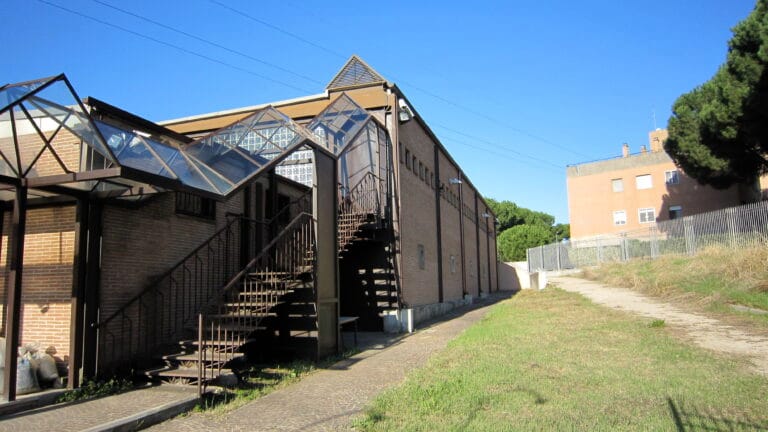
Visitors approaching the Museum of Ontario Archaeology are greeted first by its striking contemporary architecture set within a scenic, natural environment. The building is strategically nestled near the historic excavation site of the Lawson site, a significant village location of the Neutral people, which itself adds a layer of authenticity and immediacy to the experience. The grounds feature well-maintained walking trails and interpretive signage that offers insight into the archaeological context before entering the main exhibition spaces. The entrance lobby is welcoming and thoughtfully designed, with clean lines and natural materials that echo the museum’s thematic focus on heritage and continuity with the natural world. Exhibits are clearly signposted, allowing visitors to navigate effortlessly between displays, educational spaces, and community areas. The presence of an accessible café and a modest gift shop immediately suggests a visitor-centred facility designed to encourage extended engagement with the site.
Highlights and Key Exhibitions
The core of the museum’s exhibition programming revolves around a comprehensive permanent display dedicated to the archaeology of Ontario’s Indigenous peoples. Among the standout features is a detailed reconstruction of the Lawson site village, presented through immersive dioramas and artifact displays that vividly evoke daily life centuries ago. Visitors encounter finely crafted pottery shards, tools fashioned from bone and stone, ornate personal adornments, and trade goods that narrate stories of cultural exchange and technological innovation. The archaeological methodology used to recover these artifacts is also effectively communicated, including insights into excavation techniques and conservation efforts, which adds a valuable educational layer.
Another highlight is the museum’s focus on the Woodland period, a key era marked by distinctive pottery styles and increasing social complexity. Carefully curated exhibits explain the significance of burial practices, subsistence strategies, and settlement patterns, offering a nuanced perspective that goes beyond simple artifact display. The museum also features interpretive panels that emphasize the ongoing relationship between archaeological heritage and contemporary Indigenous communities, offering respectful acknowledgement and fostering cross-cultural understanding.
Temporary exhibitions, although not the focus of this review, typically complement the permanent collection with themes addressing broader archaeological inquiries or related ethnographic subjects. The presence of interactive digital elements and hands-on activities in certain galleries enhances engagement for younger visitors and school groups, further broadening the museum’s appeal across age groups.
Visitor Experience
The overall visitor experience at the Museum of Ontario Archaeology is thoughtfully curated to balance scholarship with accessibility. Information is presented in an engaging yet clear manner, making complex archaeological concepts approachable for non-specialists without sacrificing academic integrity. Staff members are generally well-informed and approachable, readily providing additional details or assistance when needed, which contributes positively to the educational mission of the museum.
The physical layout encourages a natural flow from one exhibit to another, and the integration of multimedia and tactile elements aids in sustaining interest throughout a visit. Signage is bilingual, reflecting Canada’s official languages and promoting inclusivity. For families, dedicated spaces and activities provide valuable engagement opportunities tailored to children, helping to demystify archaeology through creative learning experiences.
On the quieter side, some visitors seeking a highly immersive, hands-on archaeological experience may find the museum’s interaction model more observational in nature, favoring display and interpretation over active participation. However, the peaceful surroundings and the adjacent historic site trail offer a complementary outdoor dimension that enriches the visit.
Tickets, Access, and Planning
Admission fees are modest and reflect the museum’s status as a public institution committed to education and accessibility. Concessions and group rates are available, catering well to school outings, families, and community groups. The museum’s website provides up-to-date information about opening hours, admission costs, and downloadable educational resources, aiding in effective trip planning.
Plan Your Visit
Hand-picked tickets, tours, and cultural experiences that fit naturally into the guide.
Accessibility is a clear priority at the Museum of Ontario Archaeology. The building and grounds accommodate visitors with mobility impairments through ramps, accessible washrooms, and designated parking. The inclusion of tactile exhibits and audio-visual materials also helps address varying learning modes and physical abilities. Public transportation links are reasonably convenient for visitors travelling within London, and the museum’s location near the city centre makes for a straightforward visit either as a standalone attraction or in combination with other cultural sites.
Final Verdict
The Museum of Ontario Archaeology stands as a distinguished institution where archaeological scholarship and Indigenous heritage converge to provide a meaningful exploration of Ontario’s deep past. Its strength lies in the thoughtful presentation of artifacts alongside contextual narratives that respect and honor the histories of the First Nations peoples. With a well-organized layout, informative exhibitions, and an inviting physical setting, the museum appeals to a broad spectrum of visitors—ranging from families and students to history enthusiasts and professional archaeologists.
Although the museum’s emphasis on educational clarity sometimes means a more contemplative experience rather than an adventurous, hands-on one, this approach ensures that visitors leave with a solid understanding of archaeological practices and Indigenous cultures. Combined with a commitment to accessibility and community engagement, the Museum of Ontario Archaeology offers an enriching cultural experience that bridges past and present, making it a worthwhile stop for anyone interested in the foundational stories of Canada’s native peoples and archaeological heritage.