Cold War Bunker Review
Military Museums · Tilbury, United Kingdom. The Cold War Bunker in Tilbury, United Kingdom, stands as a poignant reminder of a tumultuous era marked by geopolitical tension, nuclear fears, and espionage between the Western Bloc and the Eastern Bloc. Constructed…
Military Museums · Tilbury, United Kingdom. The Cold War Bunker in Tilbury, United Kingdom, stands as a poignant reminder of a tumultuous era marked by geopolitical tension, nuclear fears, and espionage between the Western Bloc and the Eastern Bloc. Constructed…
Best forScience, technology, hands-on learning
Review focusMilitary collections, historic context, and visitor planning
Historical Context
The Cold War Bunker in Tilbury, United Kingdom, stands as a poignant reminder of a tumultuous era marked by geopolitical tension, nuclear fears, and espionage between the Western Bloc and the Eastern Bloc. Constructed during the height of the Cold War in the 1950s, this subterranean facility was designed to serve as a regional government headquarters in the event of nuclear war. The bunker was part of a broader network of similar sites scattered across the UK, intended to coordinate civil defense and governmental continuity under extreme duress. Through its preservation and current function as a museum, it offers rare insight into the civil defense strategies, architectural design, and daily operational challenges envisioned during a period when the threat of nuclear conflict loomed large. The site is emblematic of the era’s balance of preparedness and paranoia, and it illuminates the ways societies sought to manage existential threats through infrastructure and secrecy.
What You See on Arrival
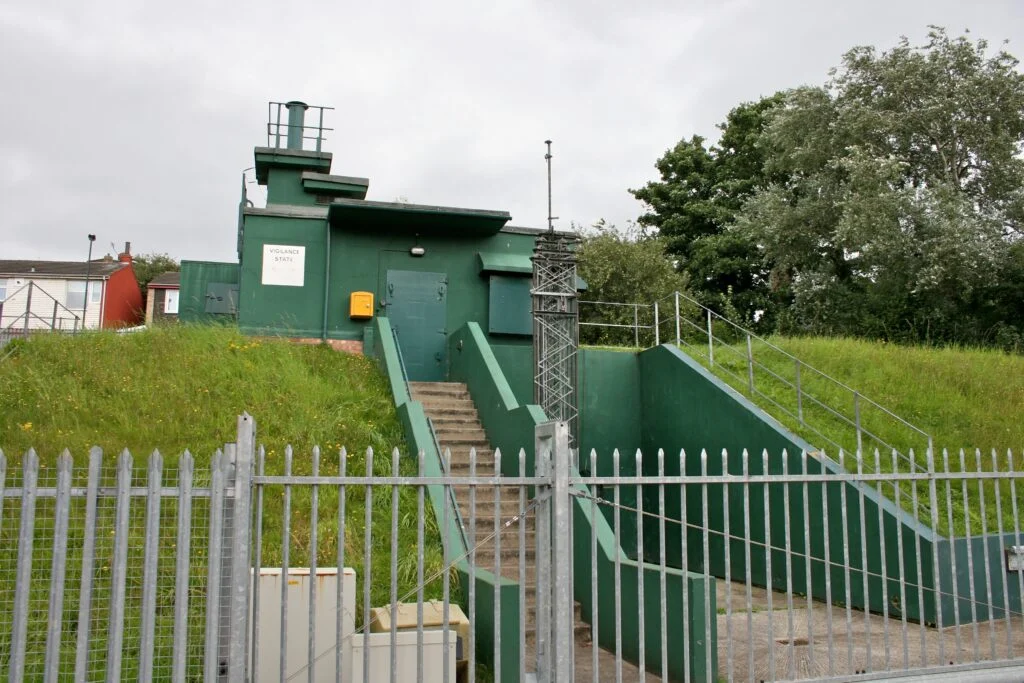
Upon arrival, visitors are greeted by a nondescript, modest exterior that belies the complex subterranean structure hidden beneath the surface. Situated near the Thames Estuary in Tilbury, the site is surrounded by green fields and some industrial views, reflecting its placement on the outskirts of urban centers, a strategic choice for safety during its operational years. The low-profile above-ground structure maintains the bunker’s discreet military aesthetic, emphasizing function over form. Prominent signage points visitors to the entrance, where an official-looking reception area sets the tone for what lies below. The transition from the outside world to the bunker’s interior evokes a shift from normalcy to the tense atmosphere of Cold War preparedness. Outside, informational panels provide a brief introductory context on the Cold War’s global significance and the bunker’s role within that framework.
Highlights and Key Exhibitions
The Cold War Bunker is notable for its carefully preserved original interior spaces, offering an authentic experience of what life and work might have been like for those manning the facility. Key exhibitions include the operations room, equipped with original communication devices, plotting tables, and civil defense maps that reveal the complexities of monitoring and responding to threats in real time. The displays thoughtfully explain the function of the bunker as a Regional Seat of Government, designed to coordinate rescue efforts and maintain civil administration under nuclear attack conditions.
Another captivating area is the living quarters. The cramped sleeping and dining arrangements underscore the confined conditions personnel would have endured, evoking empathy for the individuals who trained and prepared here. Exhibits delve into the protocols for survival, including air filtration, power supply redundancy, and food storage. Additionally, detailed panels and audio-visual aids provide context on the wider Cold War narrative, connecting the bunker to global events such as the Cuban Missile Crisis and the arms race.
Interactive elements allow visitors to engage with simulated communications systems, reinforcing the critical nature of information flow in crisis scenarios. Artefacts such as period uniforms, documents, and equipment further enrich the narrative, bridging past and present.
Visitor Experience
The museum offers an immersive experience that balances educational content with emotional resonance. The atmosphere inside the bunker—dim lighting, narrow corridors, and utilitarian design—helps recreate the psychological environment of Cold War operatives. Attention to detail in preservation lends credibility, but the site simultaneously employs modern interpretative tools to ensure accessibility and engagement for a broad demographic.
Guided tours and well-placed signage assist visitors in understanding the significance of each area without overwhelming them with technical jargon. Narratives are structured to navigate visitors through operational procedures as well as human stories. Soundscapes and visual projections add another layer of immersion, recreating tense moments in history and the bunker’s role within them.
For those with a keen interest in military history, civil defense, or Cold War geopolitics, the museum provides thorough material. Enthusiasts also appreciate the opportunity to explore a lightly altered historic site that remains close to its original condition, offering a tangible link to Cold War Britain. However, some visitors may find the environment claustrophobic or the subject matter sobering, as the exhibits confront themes of nuclear threat and societal vulnerability.
Tickets, Access, and Planning
Tickets for the Cold War Bunker are reasonably priced, reflecting its status as a local heritage attraction. It is advisable for potential visitors to check the official website for opening times, as the site operates on a limited schedule, often requiring advance booking for tours. Group visits and educational trips benefit from pre-arranged appointments that ensure guides are available.
Access is somewhat constrained due to the building’s subterranean nature and the preservation of original architectural features. As a result, the site may not be fully suitable for visitors with limited mobility. There are no lifts, and some narrow staircases could pose challenges. However, the museum provides information on accessibility prior to visiting, allowing guests to evaluate their comfort levels and accommodate needs in advance.
The site’s location in Tilbury makes it accessible by car, with parking on site, although public transport options are more limited. Visitors should plan ahead for transportation and possibly combine the visit with other heritage or historical sites in the vicinity.
Final Verdict
The Cold War Bunker in Tilbury offers a unique and powerful window into a chapter of British and global history often shrouded in secrecy and overshadowed by more visible Cold War landmarks. It excels as a museum through its authentic preservation, thoughtful interpretation, and immersive atmosphere, all of which convey the urgency and gravity of the nuclear threat that shaped so much of the mid-20th century. The facility’s original features, combined with informative displays and interactive components, make it both an educational and evocative destination.
While its solemn subject matter and confined spaces may not appeal to every visitor, those intrigued by Cold War history, military architecture, or civil defense infrastructure will find the experience compelling and insightful. The site stands as a memorial to resilience and caution in a fraught historical period, inviting reflection on the enduring repercussions of geopolitical conflict.
For those planning a visit, careful attention to ticketing arrangements and accessibility considerations is recommended to ensure a smooth experience. Overall, the Cold War Bunker is a distinctive, well-curated museum that enriches public understanding of an era defined by vigilance and uncertainty. It deserves recognition as a key repository of Cold War heritage within the United Kingdom.