World war museum Review
Military Museums · Solkan, Slovenia. The World War Museum in Solkan, Slovenia, serves as a significant cultural and educational institution dedicated to the complex history of the 20th century’s global conflicts. Rooted in a region that has experienced shifting…
Military Museums · Solkan, Slovenia. The World War Museum in Solkan, Slovenia, serves as a significant cultural and educational institution dedicated to the complex history of the 20th century’s global conflicts. Rooted in a region that has experienced shifting…
Best forScience, technology, hands-on learning
Review focusMilitary collections, historic context, and visitor planning
Historical Context
The World War Museum in Solkan, Slovenia, serves as a significant cultural and educational institution dedicated to the complex history of the 20th century’s global conflicts. Rooted in a region that has experienced shifting borders and diverse influences, the museum provides an insightful exploration of the multifaceted realities faced by soldiers and civilians during the two World Wars. Slovenia’s location at the crossroads of Central and Southeastern Europe adds a unique dimension to its narrative, emphasizing themes of resistance, occupation, and the resilience of local communities. The museum’s collections are not confined solely to military hardware or grand battle strategies; rather, they weave a broader story incorporating social, political, and personal perspectives. This approach enriches visitors’ understanding of the wars’ profound impact on everyday lives and the subsequent shaping of modern Europe. By presenting both regional and international contexts, the World War Museum in Solkan offers a nuanced account that balances historical scholarship with accessible storytelling.
What You See on Arrival
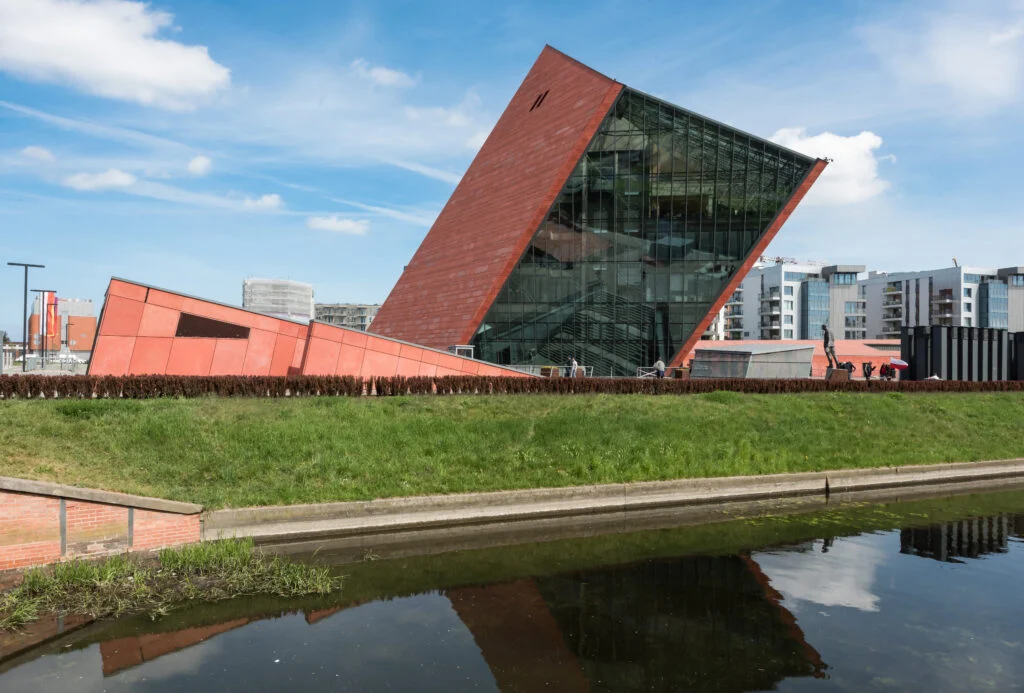
Approaching the World War Museum, visitors are greeted by an imposing yet thoughtfully designed exterior that harmonizes with Solkan’s natural and architectural landscape. The building’s clean lines and robust construction immediately convey a sense of gravitas appropriate for the subject matter. The carefully curated entrance plaza includes informational signage and orienting sculptures that hint at the museum’s thematic focus without overwhelming visitors upon arrival. On entering, one encounters a spacious, well-lit lobby area that is both welcoming and conducive to contemplation. The layout is intuitive, with clear signage directing visitors to key galleries, amenities, and the museum shop. The initial display area introduces the historical timeline and key themes, setting the tone for a chronological yet immersive experience. Throughout the museum’s public spaces, the use of subdued colors and thoughtful lighting enhances the somber yet respectful reflection on war’s consequences.
Highlights and Key Exhibitions
The World War Museum’s galleries are anchored by several standout exhibitions that provide an eloquent balance between artifacts, multimedia presentations, and personal narratives. The First World War section meticulously documents the origins and unfolding of the conflict with a particular emphasis on the Balkan front. Here, visitors encounter authentic military uniforms, weaponry, and personal items that collectively humanize the soldiers’ experiences. Equally compelling is the multimedia installation that contextualizes the political upheavals and alliances central to the conflict’s dynamics.
The Second World War galleries delve deeply into the ramifications of occupation and resistance movements within the Slovenian territory and beyond. Archival photographs and letters bring to life the stories of those affected by the war, while strategic maps and models elucidate significant military campaigns. A noteworthy highlight is the poignant collection dedicated to civilian life during wartime, illustrating themes of hardship, survival, and solidarity. Exhibits on post-war reconciliation and the establishment of peace emphasize the long-term consequences of the conflicts and contribute to the museum’s educational mission of promoting peace and understanding.
Additionally, the museum integrates interactive displays that encourage visitors, especially younger audiences, to engage critically with historical materials. These include vantage points where one can listen to firsthand accounts or explore digital reconstructions of historical battlefields. While such features are not overly dominant, they provide a dynamic counterbalance to the more traditional exhibition methods, ensuring accessibility for diverse visitor groups.
Visitor Experience
The overall visitor experience at the World War Museum is marked by a respectful blend of informative content and reflective ambiance. The museum’s layout promotes a natural circulation flow, inviting visitors to progress through the chronological narrative at their own pace. The exhibits are generally well-labelled, though some sections could benefit from additional multilingual support to better serve international audiences. Staff members are described by visitors in independent reviews as knowledgeable and approachable, able to provide insightful background information and guidance.
Complementing the exhibitions, the museum offers a range of supplementary materials, including detailed guidebooks and audio tours available in multiple languages. These resources enhance comprehension and provide different access points to the material, accommodating a variety of learning preferences. The museum’s educational programs cater to school groups and specialized audiences, reflecting a commitment to community engagement and historical literacy.
The quiet, contemplative atmosphere is occasionally punctuated by group tours or educational workshops, which are well-organized to avoid disrupting individual exploration. The museum’s cafe and rest areas are strategically placed, offering moments of respite without detracting from the solemn tone. The gift shop features a thoughtful selection of publications, memorabilia, and locally crafted items, providing visitors with meaningful souvenirs.
Tickets, Access, and Planning
Planning a visit to the World War Museum in Solkan requires some prior consideration due to its specific opening hours and possible seasonal variations. Entrance fees are modest, and discounted rates are available for students, seniors, and groups. Children under a certain age are generally admitted free, making it a viable cultural excursion for families. Online ticket purchase options simplify the entry process, although walk-in visitors are accommodated during opening hours.
Accessibility is a strong aspect of the museum’s infrastructure. The building is wheelchair-friendly, with ramps and elevators ensuring access to all exhibition levels. Facilities for visitors with visual or hearing impairments include tactile displays and audio descriptions in selected parts of the museum. Ample parking and nearby public transportation options facilitate convenient arrival from Solkan and surrounding areas.
Visitors are advised to allocate at least two to three hours to fully appreciate the breadth of the museum’s offerings. Guided tours, when available, require advance booking but substantially deepen the engagement with the exhibitions. The museum’s official website provides updated information on opening times, special events, and educational programs, serving as a reliable resource for prospective visitors.
Final Verdict
The World War Museum in Solkan stands out as a thoughtfully curated institution that transcends conventional military museum paradigms. Its strength lies in its balanced presentation of history—melding artifact-based exhibits with human stories and thoughtful analysis. By situating Slovenia’s wartime experiences within broader European and global contexts, it offers visitors a comprehensive understanding that avoids nationalistic simplifications. The museum’s commitment to educational outreach and visitor accessibility further enhances its role as a cultural landmark.
While the exhibition design is generally effective and evocative, occasional improvements in multilingual support and interpretive signage would enhance accessibility for a wider international audience. Moreover, although temporary exhibitions are not a primary feature, further engagement with contemporary discussions and digital innovation could expand its appeal, especially among younger demographics.
Overall, the World War Museum is highly recommended for history enthusiasts, educators, and casual visitors seeking a profound yet accessible exploration of the turbulent 20th century. Its thoughtful integration of regional specificity with universal themes ensures a memorable and enlightening museum experience in the heart of Slovenia.