Tower Bridge engine room Review
Historical Context
The Tower Bridge engine room, located in the heart of the City of London, stands as a remarkable testament to Victorian engineering prowess and the rapid industrial advancements of the late 19th century. Completed in 1894, the Tower Bridge was designed to ease road traffic across the River Thames while still allowing tall ships to pass freely. At the core of its operation is the engine room, which originally housed massive steam-powered pumps and engines responsible for raising the bascules of the bridge. These monumental machines exemplify the innovative spirit that characterized London’s transformative period into a global metropolis. Over the decades, as technology evolved, the engine room transitioned from solely mechanical steam power to more modern methods, yet it remains preserved as a vivid window into the engineering challenges and triumphs of the era. The Tower Bridge engine room offers visitors an invaluable snapshot of the industrial revolution’s impact on urban infrastructure, highlighting a unique blend of functionality and aesthetic grandeur synonymous with London’s historic infrastructure.
What You See on Arrival
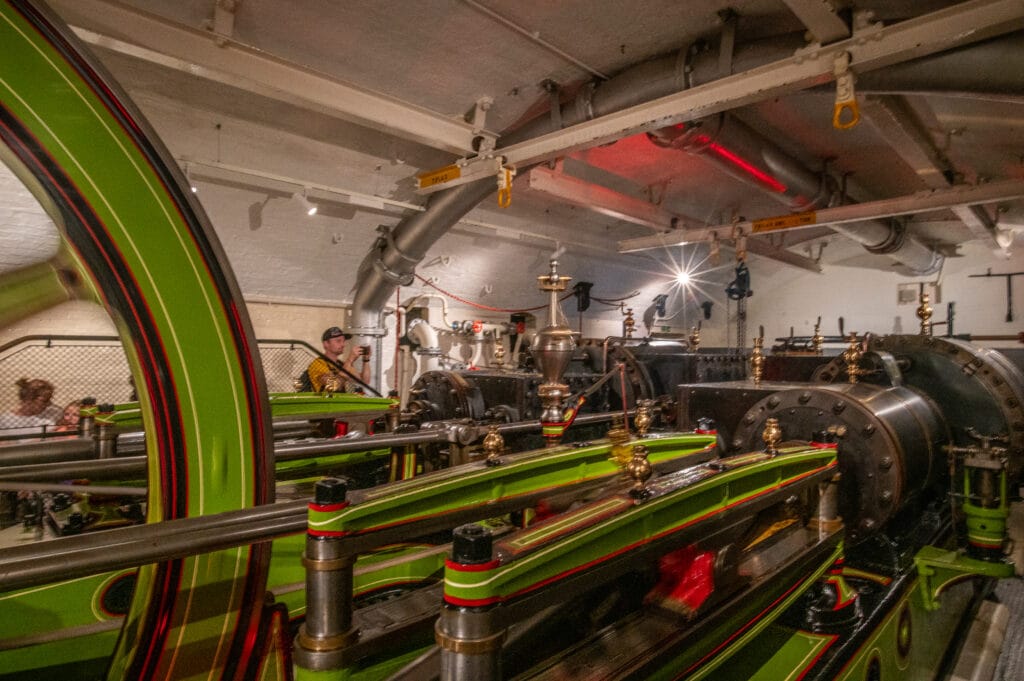
Upon approaching the Tower Bridge engine room, visitors are immediately struck by the grandeur and scale of the structure outlined by the iconic bridge itself. The entrance, typically accessed from within the Tower Bridge Exhibition, leads into a cavernous space where the original steam engines and associated machinery are displayed in a carefully curated environment. Large, imposing iron and steel components dominate the scene, surrounded by polished wooden floors and informative panels that provide contextual background. The atmosphere is one of industrial heritage preserved with dignity, punctuated by glimpses of the working parts once vital to the bridge’s operation. Visitors can observe the complexity of the interconnected sections designed to work in harmony to facilitate the raising and lowering of the bridge’s bascules. The room is deliberately spacious, inviting exploration and reflection on the industrial age’s impact on London’s infrastructure.
Highlights and Key Exhibitions
The engine room itself is the central exhibit, offering a compelling narrative through its preserved machinery and detailed interpretative displays. Among the key features are the original steam engines, which remain as awe-inspiring monuments to Victorian mechanical ingenuity. These engines operated a sophisticated hydraulic system, powered initially by coal-fired boilers, designed to lift the two bridge leaves in a matter of minutes. Accompanying the machinery are interactive elements that guide visitors through the processes and principles behind the bridge’s engineering feats, translating complex mechanical concepts into accessible explanations. Historic photographs and diagrams enrich the experience further, illustrating the bridge’s construction and evolution over time. In addition to the machinery, the engine room provides insights into the daily lives of the engineers who maintained and operated this system, lending a human element to the vast industrial narrative. Though temporary exhibitions are not a focus, the consistent presentation of the original equipment and supporting context offers a steady stream of valuable exploration opportunities.
Visitor Experience
The Tower Bridge engine room presents an experience that balances educational depth with visual appeal. Lighting and design choices emphasize the machinery’s scale and complexity without overwhelming visitors. Clear signage and helpful guides make technical details digestible, appealing to a broad audience from engineering enthusiasts to casual sightseers. The engine room’s layout encourages a flow that allows visitors to engage with exhibits at their own pace, promoting both quick visits and in-depth study. Audio-visual aids are judiciously used, enhancing without distracting from the authentic physical artifacts on display. There is an evident effort to create a multisensory experience, with ambient sounds recreating the industrial atmosphere and providing an immersive backdrop to the static exhibits. This approach enriches the understanding of how the machinery functioned in its operational heyday. However, those with a particular interest in dynamic or interactive elements might find the static nature of the machinery limiting, though the interpretative content compensates effectively.
Tickets, Access, and Planning
Access to the Tower Bridge engine room is generally included as part of the broader Tower Bridge Exhibition, which provides combined entry to the bridge’s walkways and the engine room itself. Ticket prices are positioned within the mid-range for London’s major historic attractions, making it reasonably accessible for both residents and tourists. Discount options and family tickets are commonly available, adding flexibility for group visits. The engine room is situated within a Grade I listed structure, and as such, access points may involve stairs and steps, which should be noted by visitors with mobility concerns. However, efforts have been made to ensure accessibility where possible, including the provision of ramps and elevators in other parts of the exhibition. Pre-booking tickets online is advisable, particularly during peak tourist seasons, to avoid long queues and ensure timely entry. The location in central London makes it easy to combine with other nearby attractions, and its proximity to public transport hubs facilitates convenient travel.
Final Verdict
The Tower Bridge engine room stands as a distinguished and compelling attraction that deepens visitors’ appreciation for one of London’s most iconic landmarks. Its careful preservation of original steam-powered machinery reveals the technical brilliance and historical significance underpinning the bridge’s operation. While the experience leans heavily on the historic and mechanical aspects, it effectively communicates the broader engineering narrative in an accessible manner. The balance of interpretative materials, ambient design, and authentic artifacts creates an educational and visually impressive visit, though some may desire more interactive engagement. Value for money is strong, particularly when combined with the broader Tower Bridge Exhibition, and the central London location maximizes convenience. For anyone interested in London’s industrial heritage or engineering history, the engine room offers an enriching and memorable window into the past, anchoring the Tower Bridge’s famously majestic presence in a story of mechanical innovation and human endeavour.