Automobil August Horch Review
Automobile Museums · Zwickau, Germany. The Automobilmuseum August Horch is a testament to the rich legacy of automotive engineering in Zwickau, Germany, a city renowned as the cradle of the country’s car manufacturing industry. Established to honor August Horch,…

Automobile Museums · Zwickau, Germany. The Automobilmuseum August Horch is a testament to the rich legacy of automotive engineering in Zwickau, Germany, a city renowned as the cradle of the country’s car manufacturing industry. Established to honor August Horch,…
Best forScience, technology, hands-on learning
Review focusVehicle collections, design history, and visitor planning
Historical Context
The Automobilmuseum August Horch is a testament to the rich legacy of automotive engineering in Zwickau, Germany, a city renowned as the cradle of the country’s car manufacturing industry. Established to honor August Horch, a pioneering figure in early automotive history and founder of the brand that would eventually become Audi, the museum encapsulates the evolution of car design and technology from the dawn of the 20th century to the modern era. Zwickau’s significance stems from its longstanding connection to vehicle production; it was a central hub for the industry during the interwar period and throughout much of the 20th century. The museum situates itself within this heritage, offering not only a chronological archive of vehicles but also an insight into the social and economic impact of automobile manufacturing on the region. It stands as a cultural institution dedicated to preserving and celebrating this important chapter in German and global automotive history.
What You See on Arrival
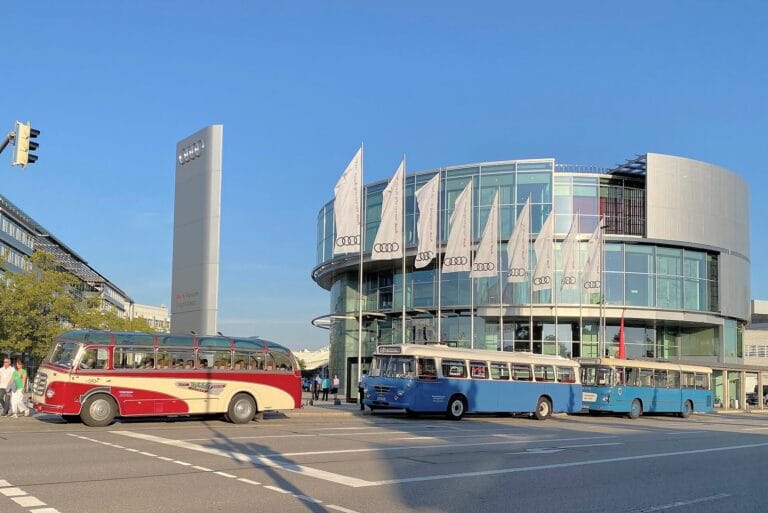
Upon arrival at the Automobilmuseum August Horch, visitors are greeted by an architecturally impressive structure that combines elements of industrial design with modern exhibition space. The building itself is a visual introduction to the themes that the museum will explore—an elegant blend of tradition and innovation. Exterior displays include a selection of classic vehicles placed to create an immediate visual connection to the vast collection housed inside. Front signage and exterior plaques provide concise historical context and practical information for visitors. The entrance area opens into a spacious lobby, designed with clear sightlines that direct visitors efficiently towards ticketing, visitor services, and introductory exhibits. This layout ensures a smooth transition from arrival to immersion in the museum’s narrative. The atmosphere here is welcoming and professional, setting high expectations for the quality of the exhibit experience to come.
Highlights and Key Exhibitions
The core attraction of the Automobilmuseum August Horch lies in its diverse and meticulously curated collection of automobiles spanning over a century of German automotive achievement. One of the most compelling sections is dedicated to the legacy of August Horch himself, showcasing prototypes, early models, and rare vehicles from his era. These exhibits highlight engineering ingenuity and design aesthetics prior to World War II, illustrating the technological challenges and innovations of the time.
Another significant segment is the comprehensive Audi heritage display. Here, the evolution of the brand’s identity is traced through numerous iconic models that demonstrate advances in performance, safety, and style. The museum does not limit itself solely to Horch and Audi vehicles; it includes important examples from other historical manufacturers connected to Zwickau, effectively portraying the broader industrial context of the region.
Technical exhibits delve into the mechanics of automobiles, providing detailed explanations of engine types, drivetrain configurations, and manufacturing techniques. These are presented through a combination of original artifacts, diagrams, and interactive multimedia, offering an engaging learning experience for enthusiasts and casual visitors alike.
The museum’s collection also honors the post-war East German automotive history, with several significant models from the era, reflecting Zwickau’s role in producing Trabants and Wartburgs. This addition broadens the museum’s narrative and brings a socio-political dimension by reflecting on the division and reunification of Germany through its automotive industry.
Completing the visitor’s journey, the museum often highlights design language and stylistic trends across decades, allowing guests to appreciate automobiles as works of art as well as engineering masterpieces. The balance between historical significance and aesthetic presentation is a notable strength of the exhibition layout.
Visitor Experience
The Automobilmuseum August Horch offers a visitor experience that harmonizes educational value with engaging presentation. Exhibition spaces are thoughtfully designed to provide clear interpretation without overwhelming the audience with excessive technical jargon. Multilingual signage and audio guides enable accessibility for international visitors, catering well to a diverse attendance.
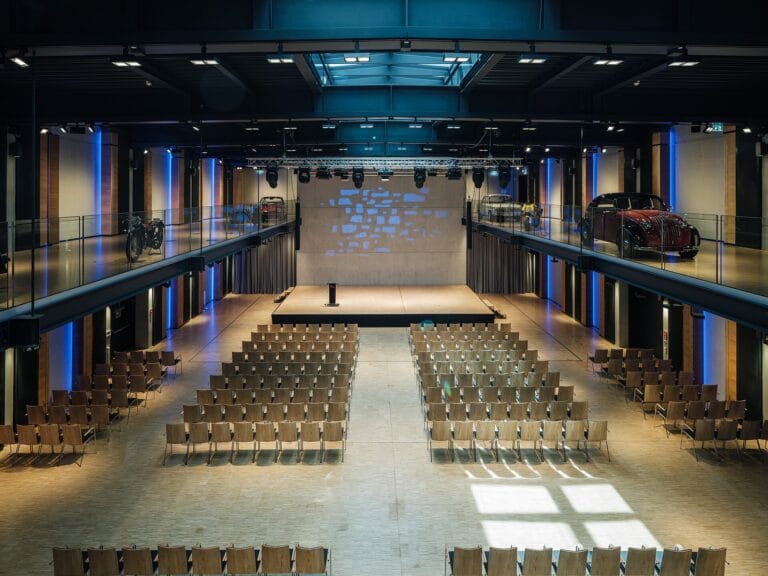
The flow throughout the museum encourages a logical progression through time, and various thematic zones allow visitors to choose either a comprehensive walk-through or focus on particular periods or technological topics of interest. The lighting and display cases enhance the preservation of vehicles while allowing close viewing angles, an important consideration given the remarkable condition of many exhibits.
Additional facilities such as a museum shop, café, and reading corner contribute to a pleasant visit. The shop offers a range of publications, model cars, and memorabilia tied to the museum’s collections. The café provides a comfortable setting to reflect on the visit, with seating set apart from the exhibition areas to maintain a calm atmosphere.
Educational programs and workshops are part of the institution’s effort to engage younger audiences and schools, fostering an appreciation for automotive history and engineering careers. These offerings underscore the museum’s role not only as a repository of historical artifacts but also as an active center of learning.
Tickets, Access, and Planning
The Automobilmuseum August Horch operates with a transparent and visitor-friendly ticketing system. Admission fees are reasonable considering the scale and quality of the collection, with discounts available for students, seniors, and groups. Family tickets support accessibility for visitors of all ages, encouraging educational outings.
Opening hours are well-publicized and generally accommodate both local attendees and tourists, including weekends and holidays to maximize availability. The museum’s official website offers up-to-date information on hours, ticket prices, and any special announcements, making planning straightforward and convenient.
Accessibility is a priority at the museum, with step-free access and facilities designed to accommodate visitors with mobility challenges. Parking is available nearby, and public transport connections to the center of Zwickau are efficient, encouraging environmentally friendly travel options.
Advanced booking is recommended during peak tourist seasons but not strictly required for regular visits. Large groups and school parties are encouraged to book in advance to ensure tailored tours or specialized support from museum staff. On-site guidance and security personnel maintain a secure yet welcoming environment.
Final Verdict
The Automobilmuseum August Horch in Zwickau stands out as a compelling destination for anyone interested in automotive history, German industrial heritage, or design and technology. Its strengths lie in the depth and quality of its collections, especially the respectful and informative treatment of August Horch’s legacy and the significant local automotive industry. The museum succeeds in appealing to a wide audience by balancing technical detail with accessible interpretation and a thoughtful exhibition design.
While the museum excels in historic vehicles and brand legacy, those seeking a focus on modern electric and autonomous vehicles may find that aspect less emphasized, as the museum’s emphasis is firmly rooted in heritage and tradition. Additionally, temporary exhibitions or rotating displays could enhance repeat visits, although the permanent collection alone offers ample richness and educational value.
In summary, the Automobilmuseum August Horch is a robust institution that combines historical importance, educational outreach, and visitor comfort exceptionally well. It is recommended both for automotive enthusiasts and the general public, delivering a meaningful insight into one of the most influential automotive regions in Germany and commemorating a pivotal figure whose work shaped the industry.